MENU
MENU
 Nasze ceny

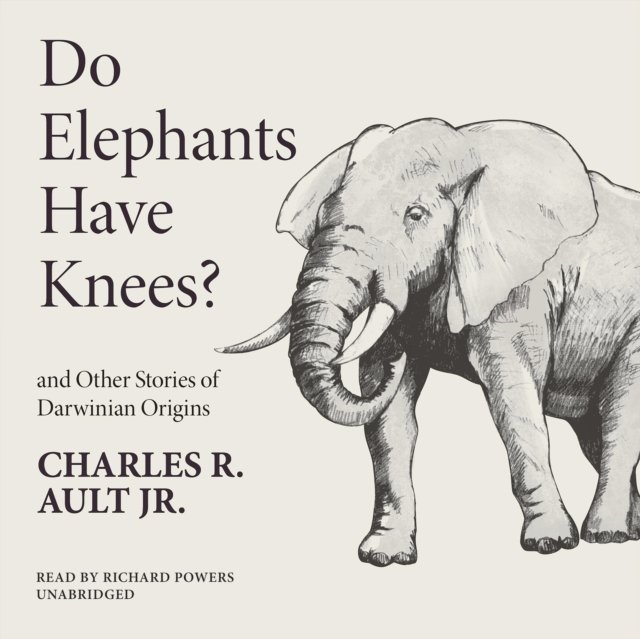
Do Elephants Have Knees? and Other Stories of Darwinian Origins - audiobook
Do Elephants Have Knees? and Other Stories of Darwinian Origins - audiobook
Audiobook po zakupie nie będzie dostępny do słuchania w aplikacji Empik Go. Pobierz plik ze swojej biblioteki i odsłuchaj go w dowolnej innej aplikacji odtwarzającej pliki mp3 - w telefonie, na komputerze lub dowolnym innym urządzeniu.
What makes a penguin a bird? Is a camel more closely related to a horse than to a giraffe? Why is a whale not a fish? Similar puzzles preoccupied Charles Darwin throughout his life. Whimsy, in the playfulness of stories for children, is a way to appreciate Darwinian histories.In Do Elephants Have Knees? Charles R. Ault Jr. uses the fanciful imagery of story to explain Darwinian thought. At the same time, he launches careful consideration of Darwin's humanity, the origins of his curiosity, and the reach of his ideas.Ault's approach illustrates the value of story form in learning science and provides a wealth of resources for enriching courses that focus on Darwin's ideas. "Good storytelling mines curiosity," Ault writes, "and exuberant playfulness enriches a disciplined study of science."
What makes a penguin a bird? Is a camel more closely related to a horse than to a giraffe? Why is a whale not a fish? Similar puzzles preoccupied Charles Darwin throughout his life. Whimsy, in the playfulness of stories for children, is a way to appreciate Darwinian histories.In Do Elephants Have Knees? Charles R. Ault Jr. uses the fanciful imagery of story to explain Darwinian thought. At the same time, he launches careful consideration of Darwin's humanity, the origins of his curiosity, and the reach of his ideas.Ault's approach illustrates the value of story form in learning science and provides a wealth of resources for enriching courses that focus on Darwin's ideas. "Good storytelling mines curiosity," Ault writes, "and exuberant playfulness enriches a disciplined study of science."
| Kategoria: | Obcojęzyczne |
| Język: | Angielski |
| Zabezpieczenie: | brak |
| ISBN: | 978-1-5047-4410-2 |