MENU
MENU
 Nasze ceny

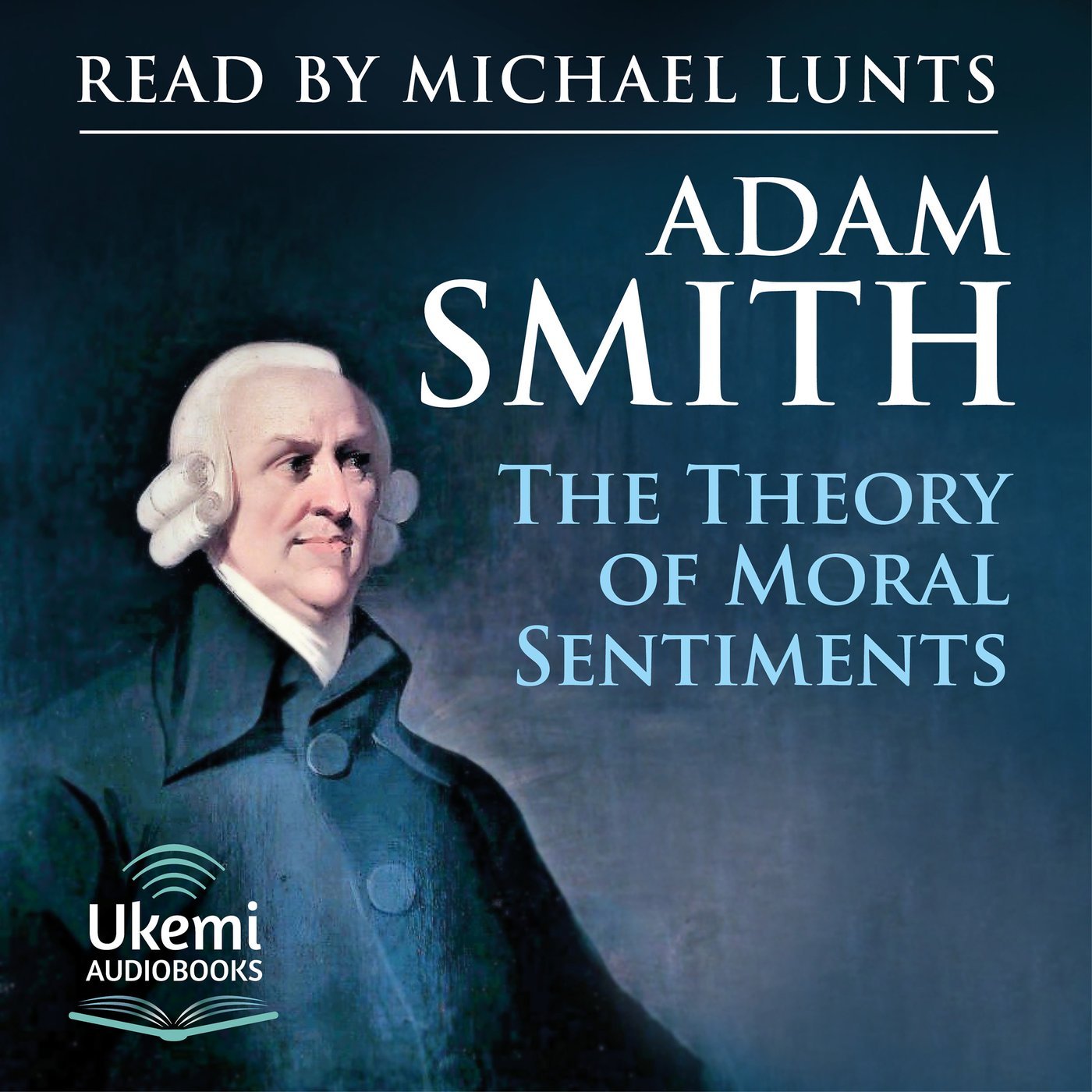
The Theory of Moral Sentiments - audiobook
Wydawnictwo:
Lektor:
Format:
MP3
Data wydania:
4 września 2018

The Theory of Moral Sentiments - audiobook
‘How selfish soever man may be supposed, there are evidently some principles in his nature, which interest him in the fortune of others, and render their happiness necessary to him, though he derives nothing from it except the pleasure of seeing it.’
So begins The Theory of Moral Sentiments (1759), the first major text by Adam Smith, who, seven years later, was to publish what was to become one of the major economic classics, The Wealth of Nations (1776). However, Smith regarded The Theory of Moral Sentiments as his most important work because in it he identified the profound human instinct to act not necessarily in self-interest but through, as he phrased it, a ‘mutual sympathy of sentiments’.
The work is divided into seven parts, starting with Part 1: Of the Propriety of Action, in which Smith proposes the idea that ‘Sympathy’ can underlie human actions towards others, prompted by various emotions, be it perception of misfortune in others or simply ‘the pleasure of mutual sympathy’. Other parts include ‘Of the Effect of Utility upon the Sentiment of Approbation’, ‘Of the Character of Virtue’ and finally ‘Of Systems of Moral Philosophy’.
In this concluding section, Smith considers the views of other philosophers, including Epicurus, Zeno, Plato, Aristotle, Cicero and Hobbes, as well as the opinions of his mentor, Dr Francis Hutchison, an important influence. In short, Smith proposes that man’s sense of morality is interwoven with social instincts as much as reason or self-interest. Sympathy - the contemporary word we would use is empathy - is a universal and strongly held emotion in mankind, he says, imbued with virtue, prudence, justice and beneficence. The Theory of Moral Sentiments was, and remains, a milestone in Western philosophy.
So begins The Theory of Moral Sentiments (1759), the first major text by Adam Smith, who, seven years later, was to publish what was to become one of the major economic classics, The Wealth of Nations (1776). However, Smith regarded The Theory of Moral Sentiments as his most important work because in it he identified the profound human instinct to act not necessarily in self-interest but through, as he phrased it, a ‘mutual sympathy of sentiments’.
The work is divided into seven parts, starting with Part 1: Of the Propriety of Action, in which Smith proposes the idea that ‘Sympathy’ can underlie human actions towards others, prompted by various emotions, be it perception of misfortune in others or simply ‘the pleasure of mutual sympathy’. Other parts include ‘Of the Effect of Utility upon the Sentiment of Approbation’, ‘Of the Character of Virtue’ and finally ‘Of Systems of Moral Philosophy’.
In this concluding section, Smith considers the views of other philosophers, including Epicurus, Zeno, Plato, Aristotle, Cicero and Hobbes, as well as the opinions of his mentor, Dr Francis Hutchison, an important influence. In short, Smith proposes that man’s sense of morality is interwoven with social instincts as much as reason or self-interest. Sympathy - the contemporary word we would use is empathy - is a universal and strongly held emotion in mankind, he says, imbued with virtue, prudence, justice and beneficence. The Theory of Moral Sentiments was, and remains, a milestone in Western philosophy.
| Kategoria: | Obcojęzyczne |
| Język: | Angielski |
| Zabezpieczenie: |
Watermark
|
| ISBN: | 978-1-00-413348-2 |
| Rozmiar pliku: | 687 MB |