MENU
MENU
 Nasze ceny

 Przeczytaj fragment on-line

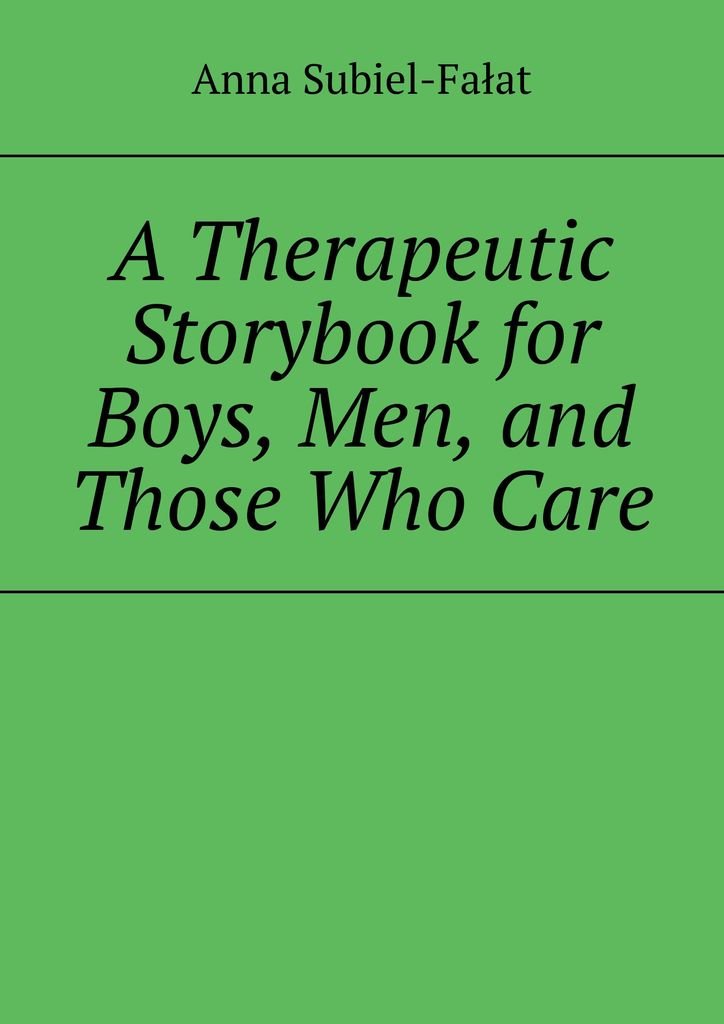
A Therapeutic Storybook for Boys, Men, and Those Who Care - ebook

A Therapeutic Storybook for Boys, Men, and Those Who Care - ebook
A therapeutic storybook for boys, men, and those who care. Emotional scenes, silent struggles, and quiet strength — told through 28 stories. For sons, fathers, and anyone who ever felt too much. Because real strength often whispers. And every feeling matters.
Ta publikacja spełnia wymagania dostępności zgodnie z dyrektywą EAA.
| Kategoria: | Proza |
| Zabezpieczenie: |
Watermark
|
| ISBN: | 978-83-8414-820-4 |
| Rozmiar pliku: | 1,0 MB |
FRAGMENT KSIĄŻKI
I. A Therapeutic Storybook for Boys, Men, and Those Who Care
INTRODUCTION
Sometimes, the most important things make no sound.
They don’t shout. They don’t demand attention.
They’re hidden — in glances, in silence after a hard day,
in the questions we never learned how to ask.
This book offers no ready-made answers. But it offers stories.
Stories of boys and men — young, older, lost, brave, deeply human.
Their emotions are not weakness — they’re pathways.
Their silence is not emptiness — it’s a cry.
Their questions are what we never dared to ask as children.
Each chapter is a scene from life — ordinary, yet heavy with unspoken weight
They all share one thing: truth. And truth doesn’t always hurt. Sometimes, it saves.
This is not a book about heroes.
This is a book about you.
And about all of us —
when we were boys.
And when we’re still trying to become men.Chapter 1: The Fish Don’t Always Bite
Scene: Early morning by the lake
Characters: Orpheus (8 years old) and his Dad
The sun was just starting to spill gold over the surface of the water,
and Orpheus already sat on the pier, legs dangling, clutching a fishing rod.
There was a knot in his stomach — the same one he had at school yesterday.
— Dad… do you think fish feel sadness? — he asked, glancing sideways.
— Fish? — his dad smiled. — I think they feel danger. Maybe unease.
But sadness… that’s more our specialty.
— Sometimes I cry when no one does anything to me — Orpheus added quietly.
— That’s good — his father replied. — It means something inside you knows it’s time to let something out.
— But the boys in my class say only “sissies” cry.
Dad sighed and placed a hand on his shoulder.
— Son, people say such things because they’re scared. Tenderness scares them.
Not everyone has the courage to say: “I’m sad.” But you do.
The bobber didn’t even move on the water. Orpheus leaned his head against his father’s arm.
— Dad? — Yes?
— I’d rather be brave with tears than hard like stone.
His father didn’t say a word. But he squeezed his hand as if they had just caught the biggest fish of their lives.
📌 Cultural Note / Objaśnienie:
The phrase “only sissies cry” is a common insult targeting boys who show emotion. It reflects toxic masculinity — the cultural idea that real men must be stoic, aggressive, or emotionally numb. This book seeks to challenge that narrative gently.Chapter 2: Campfire and Words That Burn
Scene: Forest campsite, scout camp
Characters: W (15 years old), K (18 years old) — his older brother
The fire crackled softly, lighting up the forest clearing.
The boys laughed around the flames, trading jokes; someone even pulled out a guitar.
W sat off to the side, hunched in his hoodie, poking the ground with a stick.
No one noticed he wasn’t talking.
No one asked why he was alone.
Only K, his older brother, came over and sat next to him. Quietly.
After a few minutes, he spoke:
— What’s up, kid?
— Nothing.
— “Nothing” usually means something big.
W shrugged
— Everyone’s just… more. Louder. Funnier. And me? I just sit here.
K gave a sad smile.
— I used to feel invisible too. No one at school ever listened to me.
So I tried talking louder. But it didn’t help.
— What did you do?
— I started listening to myself. What I wanted — not what others wanted from me.
And you know what? Silence can be strong.
You don’t have to be a clown to be valuable.
W glanced at the fire. His eyes shimmered slightly.
— What if it stays this way? That no one ever notices me?
K looked him straight in the eyes.
— Then notice yourself. It’s harder — but more certain.
That night, W didn’t crack any jokes or light up the group.
But after everyone fell asleep in their tents, he returned to the fire.
And for the first time, he thought maybe he didn’t have to be anyone but himself.
📌 Cultural Note:
The pressure to be entertaining or extroverted is especially strong in teenage male groups. This scene normalises introversion and self-acceptance — a counter to social expectations.Chapter 3: Two Toothbrushes
Scene: Kitchen and bedroom on a Saturday afternoon
Characters: S (11 years old), Mum, Dad
S was eating cereal, even though it was afternoon.
The sun formed a golden triangle on the table.
Even the spoon clinked louder than usual in the quiet.
His bag sat in the corner — packed for “dad’s house,” like every second weekend.
— Ready? — Mum asked, grabbing her handbag.
— What if I don’t say anything? Does that mean I’m not ready? — he asked, eyes still on the bowl.
She paused, then sat beside him, gently.
— I know it’s hard.
— No… — S scratched his arm — it was hard when you fought all the time.
Now I just don’t understand.
— Understand what?
— When Dad says “It’s not your fault,” does that mean it has to be someone’s?
She looked at him for a long moment, as if searching for an answer in his eyes.
Then she said slowly:
— Sometimes people separate because they stop understanding each other —
not because someone did something wrong.
But it’s never, ever because of you.
— Uh-huh — he said. —
Except now my room has two toothbrushes. Two closets. Two sets of pyjamas.
But there’s only one me.
She smiled sadly.
— Yes, there’s one of you. But there’s space for you in two homes.
And in two hearts.
— Then why can’t I say at school that I have two homes?
They just say: “divorce kid.”
— Because people love labels. Makes it easier not to think.
But you’re not a “divorce kid.” You’re S.
The boy who likes Lego, biking, and hates Sunday nights.
S grimaced
— ‘Cause that’s when I have to go back to one of the houses.
But I wish the houses were one.
There was no reply.
Mum stood up and handed him his jacket.
As they left, S whispered:
— Can I be angry?
— You can. And cry too. Emotions are like a map — they show where it hurts.
Just don’t stop at the border. Keep going.
In the car, they didn’t talk.
But S pulled a drawing from his pocket — a map of two houses.
And an arrow between them.
On the arrow, he’d written: “– the bridge.”
📌 Reflection:
Divorce doesn’t end childhood. It starts a new version of family.
A child’s emotions — anger, sadness, shame, loneliness — are not problems.
They’re messages. They’re letters, not accusations.Chapter 4: The First Time That Wasn’t Great
Scene: School trip to the seaside, night
Characters: Z (17), G (18), teacher, Mum
It was night. Calm on the outside — but something thudded inside.
Z sat on the sand, jacket wrapped around his shoulders.
Somewhere behind the dunes, someone was singing “Happy Birthday” —
though no one had a birthday.
G sat down next to him.
He smelled of vodka and deodorant.
— So, Z? Did you finally join the human race or still the class monk?
— I took a sip — Z said.
— Just a sip? Man, that’s not even a try. That’s the trailer!
Z didn’t respond.
His stomach felt heavy — not from the alcohol, but from that one decision.
INTRODUCTION
Sometimes, the most important things make no sound.
They don’t shout. They don’t demand attention.
They’re hidden — in glances, in silence after a hard day,
in the questions we never learned how to ask.
This book offers no ready-made answers. But it offers stories.
Stories of boys and men — young, older, lost, brave, deeply human.
Their emotions are not weakness — they’re pathways.
Their silence is not emptiness — it’s a cry.
Their questions are what we never dared to ask as children.
Each chapter is a scene from life — ordinary, yet heavy with unspoken weight
They all share one thing: truth. And truth doesn’t always hurt. Sometimes, it saves.
This is not a book about heroes.
This is a book about you.
And about all of us —
when we were boys.
And when we’re still trying to become men.Chapter 1: The Fish Don’t Always Bite
Scene: Early morning by the lake
Characters: Orpheus (8 years old) and his Dad
The sun was just starting to spill gold over the surface of the water,
and Orpheus already sat on the pier, legs dangling, clutching a fishing rod.
There was a knot in his stomach — the same one he had at school yesterday.
— Dad… do you think fish feel sadness? — he asked, glancing sideways.
— Fish? — his dad smiled. — I think they feel danger. Maybe unease.
But sadness… that’s more our specialty.
— Sometimes I cry when no one does anything to me — Orpheus added quietly.
— That’s good — his father replied. — It means something inside you knows it’s time to let something out.
— But the boys in my class say only “sissies” cry.
Dad sighed and placed a hand on his shoulder.
— Son, people say such things because they’re scared. Tenderness scares them.
Not everyone has the courage to say: “I’m sad.” But you do.
The bobber didn’t even move on the water. Orpheus leaned his head against his father’s arm.
— Dad? — Yes?
— I’d rather be brave with tears than hard like stone.
His father didn’t say a word. But he squeezed his hand as if they had just caught the biggest fish of their lives.
📌 Cultural Note / Objaśnienie:
The phrase “only sissies cry” is a common insult targeting boys who show emotion. It reflects toxic masculinity — the cultural idea that real men must be stoic, aggressive, or emotionally numb. This book seeks to challenge that narrative gently.Chapter 2: Campfire and Words That Burn
Scene: Forest campsite, scout camp
Characters: W (15 years old), K (18 years old) — his older brother
The fire crackled softly, lighting up the forest clearing.
The boys laughed around the flames, trading jokes; someone even pulled out a guitar.
W sat off to the side, hunched in his hoodie, poking the ground with a stick.
No one noticed he wasn’t talking.
No one asked why he was alone.
Only K, his older brother, came over and sat next to him. Quietly.
After a few minutes, he spoke:
— What’s up, kid?
— Nothing.
— “Nothing” usually means something big.
W shrugged
— Everyone’s just… more. Louder. Funnier. And me? I just sit here.
K gave a sad smile.
— I used to feel invisible too. No one at school ever listened to me.
So I tried talking louder. But it didn’t help.
— What did you do?
— I started listening to myself. What I wanted — not what others wanted from me.
And you know what? Silence can be strong.
You don’t have to be a clown to be valuable.
W glanced at the fire. His eyes shimmered slightly.
— What if it stays this way? That no one ever notices me?
K looked him straight in the eyes.
— Then notice yourself. It’s harder — but more certain.
That night, W didn’t crack any jokes or light up the group.
But after everyone fell asleep in their tents, he returned to the fire.
And for the first time, he thought maybe he didn’t have to be anyone but himself.
📌 Cultural Note:
The pressure to be entertaining or extroverted is especially strong in teenage male groups. This scene normalises introversion and self-acceptance — a counter to social expectations.Chapter 3: Two Toothbrushes
Scene: Kitchen and bedroom on a Saturday afternoon
Characters: S (11 years old), Mum, Dad
S was eating cereal, even though it was afternoon.
The sun formed a golden triangle on the table.
Even the spoon clinked louder than usual in the quiet.
His bag sat in the corner — packed for “dad’s house,” like every second weekend.
— Ready? — Mum asked, grabbing her handbag.
— What if I don’t say anything? Does that mean I’m not ready? — he asked, eyes still on the bowl.
She paused, then sat beside him, gently.
— I know it’s hard.
— No… — S scratched his arm — it was hard when you fought all the time.
Now I just don’t understand.
— Understand what?
— When Dad says “It’s not your fault,” does that mean it has to be someone’s?
She looked at him for a long moment, as if searching for an answer in his eyes.
Then she said slowly:
— Sometimes people separate because they stop understanding each other —
not because someone did something wrong.
But it’s never, ever because of you.
— Uh-huh — he said. —
Except now my room has two toothbrushes. Two closets. Two sets of pyjamas.
But there’s only one me.
She smiled sadly.
— Yes, there’s one of you. But there’s space for you in two homes.
And in two hearts.
— Then why can’t I say at school that I have two homes?
They just say: “divorce kid.”
— Because people love labels. Makes it easier not to think.
But you’re not a “divorce kid.” You’re S.
The boy who likes Lego, biking, and hates Sunday nights.
S grimaced
— ‘Cause that’s when I have to go back to one of the houses.
But I wish the houses were one.
There was no reply.
Mum stood up and handed him his jacket.
As they left, S whispered:
— Can I be angry?
— You can. And cry too. Emotions are like a map — they show where it hurts.
Just don’t stop at the border. Keep going.
In the car, they didn’t talk.
But S pulled a drawing from his pocket — a map of two houses.
And an arrow between them.
On the arrow, he’d written: “– the bridge.”
📌 Reflection:
Divorce doesn’t end childhood. It starts a new version of family.
A child’s emotions — anger, sadness, shame, loneliness — are not problems.
They’re messages. They’re letters, not accusations.Chapter 4: The First Time That Wasn’t Great
Scene: School trip to the seaside, night
Characters: Z (17), G (18), teacher, Mum
It was night. Calm on the outside — but something thudded inside.
Z sat on the sand, jacket wrapped around his shoulders.
Somewhere behind the dunes, someone was singing “Happy Birthday” —
though no one had a birthday.
G sat down next to him.
He smelled of vodka and deodorant.
— So, Z? Did you finally join the human race or still the class monk?
— I took a sip — Z said.
— Just a sip? Man, that’s not even a try. That’s the trailer!
Z didn’t respond.
His stomach felt heavy — not from the alcohol, but from that one decision.
więcej..