MENU
MENU
 Nasze ceny

 Przeczytaj fragment on-line

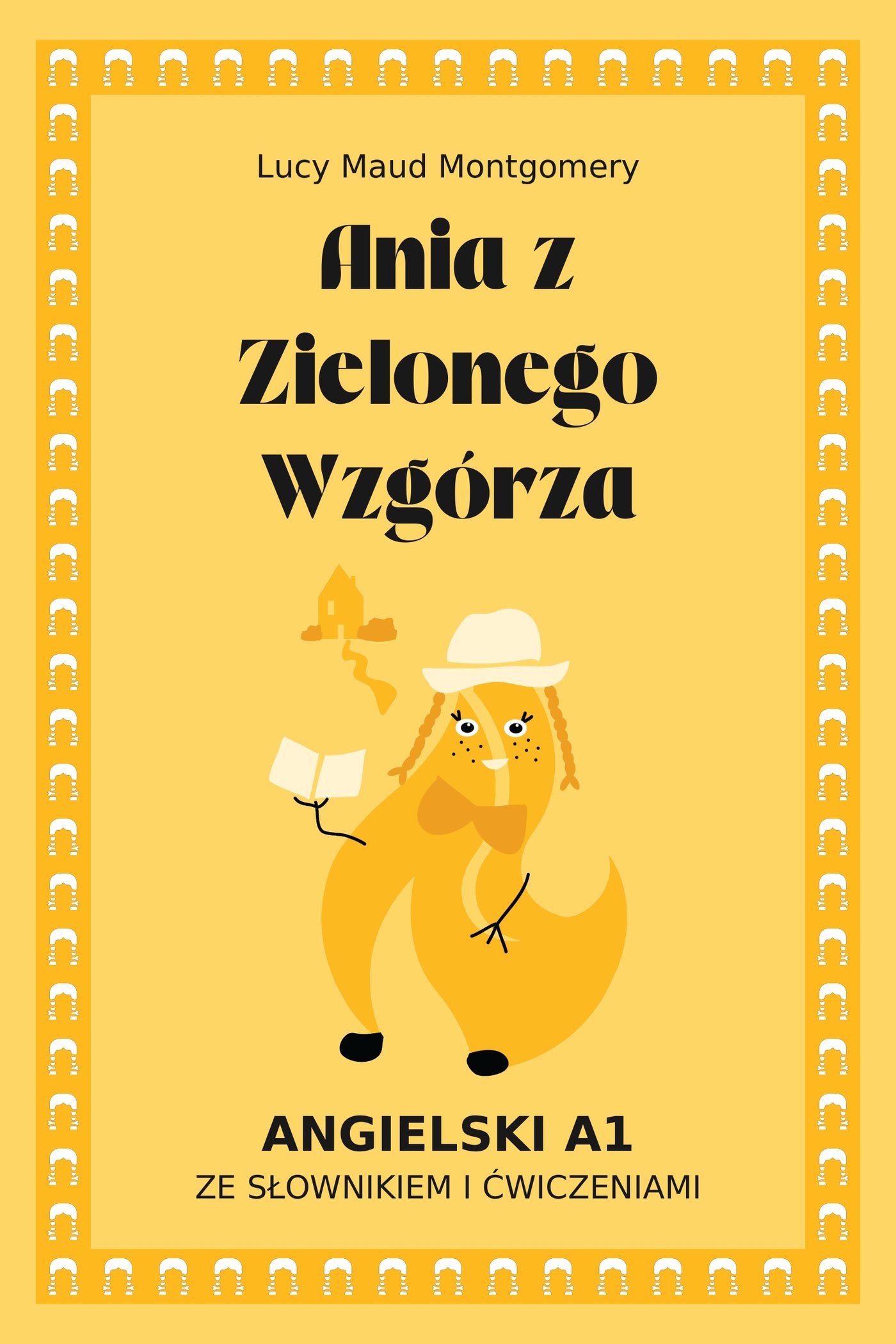
Ania z Zielonego Wzgórza (Angielski A1) ze słownikiem i ćwiczeniami - ebook
Ania z Zielonego Wzgórza (Angielski A1) ze słownikiem i ćwiczeniami - ebook
Przedstawiamy książkę Ania z Zielonego Wzgórza (Anne of Green Gables) na poziomie A1 (początkującym) angielskiego. W środku znajdziesz: tłumaczenia słów po dotknięciu podkreślonych słów w tekście; ćwiczenia do każdego rozdziału (krzyżówki, zadania z lukami i anagramy) na poziomie początkującym (A1); gry i zabawy w aplikacji po każdym rozdziale; fiszki z najważniejszymi słówkami do nauki. "Ania z Zielonego Wzgórza" to historia osieroconej, rudowłosej Ani. Czytając tę książkę, w przyjemny sposób nauczysz się nowych słówek i poprawisz swoje umiejętności rozumienia tekstu po angielsku. Tekst został dostosowany do poziomu A1 (początkującego) języka angielskiego. Stworzyliśmy tą książkę na podstawie naszej autorskiej metody uczenia czytania w językach obcych: The Pentecost Method (inaczej - Metoda Pentecost). Stawiamy na naukę słów i gramatyki poprzez rozumienie 90-95% treści, łatwodostępny słowniczek oraz częste powtarzanie się nowych słówek w tekście oraz ćwiczenia
Ta publikacja spełnia wymagania dostępności zgodnie z dyrektywą EAA.
| Kategoria: | Angielski |
| Zabezpieczenie: |
Watermark
|
| ISBN: | 9788397534124 |
| Rozmiar pliku: | 779 KB |
FRAGMENT KSIĄŻKI
Witaj w książce, która pomoże Ci w nauce języka! Dzięki tej książce, będziesz mógł przyjemnie spędzić czas i jednocześnie (prawie, że przypadkiem) rozwinąć swoje umiejętności językowe.
Zdaniem naukowców czytanie tekstu, który rozumiesz tylko w 90-95% pozwala sie nauczyć najwięcej. Ciekawa historia utrzyma Twoją uwagę i zmotywuje Cię do wymyślania samemu znaczeń słów. W razie, gdyby tej motywacji zabrakło - po dotknięciu jakiegokolwiek słowa zobaczysz popup z jego tłumaczeniem. Popup z tłumaczeniem powinien bez problemu działać na czytnikach Kindle, Kobo oraz iBooks. Jeżeli korzystasz z innego czytnika np. Pocketbook spróbuj w ustawieniach zezwolić na pokazywanie przypisów (footnotes) jako popup. Jeżeli popup nie działa na Twoim czytniku, kliknięcie słowa przekieruje Cię do słowniczka na końcu rozdziału. Mniej to wygodne, ale spełnia swoją funkcję.
Na końcu każdego rozdziału znajduje się przycisk przekierowujący do ćwiczeń słówek z tego rozdziału na naszej stronie www.pentecost.pub. Znajdziesz tam fiszki (online oraz do wydrukowania), dopasowywanie znaczeń i wiele innych! Stale staramy się nad tą częścią pracować, więc jeżeli kiedyć wrócisz do tych samych ćwiczeń to być może znajdziesz tam więcej, ciekawszych zadań.
xoxo, Pentecost!
Następny rozdział →Rachel Is Surprised
Mrs. Rachel lived in Avonlea. Her house was by a brook. The brook was quiet there.
Mrs. Rachel watched everything. She knew what was going on. She helped many people.
She knitted quilts. She watched the road. Avonlea was a small place.
Matthew Cuthbert lived there. He should sow turnip seed. But he drove away.
He wore good clothes. He had the buggy. Mrs. Rachel was curious.
Where was he going? Why was he going? She wanted to know.
“I will ask Marilla,” she said. She will know. I must know why.
Mrs. Rachel went to Green Gables. It was not far. The lane was long.
Matthew’s father built it far. He did not like people. Mrs. Rachel did not like it.
“It is just staying,” she said. Matthew and Marilla are odd. They live alone.
The yard was neat. Marilla kept it clean. Mrs. Rachel knocked.
The kitchen was clean. It had two windows. Marilla sat there.
The table was set. There were three plates. Who was coming?
“Good evening, Rachel,” said Marilla. “Sit down. How are you?”
“We are well,” said Mrs. Rachel. “I saw Matthew leave. Was he going to the doctor?”
“No,” said Marilla. “He went to Bright River. We are getting a boy.”
Mrs. Rachel was shocked. “Are you serious?” she asked. Marilla said yes.
“Why get a boy?” she asked. Marilla said, “We talked about it. Mrs. Spencer told us.”
“Matthew is old,” said Marilla. “He needs help. We want a Canadian boy.”
“Mrs. Spencer will bring him. He is about ten. Matthew will meet him.”
“It is foolish,” said Mrs. Rachel. “It is risky. You do not know him.”
“He could burn the house. He could suck eggs. I told you so.”
Marilla knitted. “Matthew wanted him,” she said. “I gave in.”
“There are risks,” she said. “Nova Scotia is close. He is like us.”
“I hope it is all right,” said Mrs. Rachel. “He could poison the well. It happened before.”
“We are not getting a girl,” said Marilla. “I would not get a girl. Mrs. Spencer would.”
Mrs. Rachel left. She wanted to tell the news. Marilla felt better.
“I must be dreaming,” she said. “I feel sorry for him. They do not know children.”
“There has never been a child there. I pity him,” she said. She did not see the child.
Następny rozdział →
Her house: Jej dom
by: obok
a brook: strumyka
The brook: Strumyk
quiet: cichy
everything: wszystko
what: co
going on: dzieje
many people: wielu ludziom
quilts: kołdry
watched: obserwowała
the road: drogę
a small place: małą miejscowością
should: powinien
sow: siać
turnip seed: nasiona rzepy
But: Ale
drove away: odjechał
wore: nosił
good clothes: dobre ubrania
the buggy: bryczkę
curious: ciekawa
Where: Gdzie
know: wiedzieć
must: muszę
The lane: Droga
long: długa
built: zbudował
far: daleko
did: nie
not: nie
like: lubił
people: ludzi
It is: To jest
just: tylko
staying: pozostawanie
and: i
odd: dziwni
live: żyją
alone: samotnie
The yard: Podwórko
neat: schludne
kept: utrzymywała
knocked: zapukała
The kitchen: Kuchnia
clean: czysta
It: Ona
had: miała
two windows: dwa okna
sat: siedziała
The table: Stół
set: nakryty
three plates: trzy talerze
Who: Kto
coming: przyjdzie
Good evening: Dobry wieczór
Sit down: Usiądź
How: Jak
well: dobrze
saw: widziałam
the doctor: lekarza
No: Nie
went: pojechał
to: do
shocked: wstrząśnięta
you: ty
serious: mówisz poważnie
yes: tak
Why: Dlaczego
get: brać
asked: zapytała
talked: rozmawialiśmy
old: stary
needs: potrzebuje
help: pomocy
We: My
a: no_translation
Canadian: kanadyjskiego
boy: chłopca
will: przywiezie
bring: przywiezie
He: On
about: około
ten: dziesięć lat
meet: spotka
It is foolish: To głupie
It is risky: To ryzykowne
He could burn: On mógłby spalić
the house: dom
He could suck: On mógłby ssać
eggs: jajka
I told you so: Mówiłam wam
knitted: robiła na drutach
I: Ja
gave in: ustąpiłam
There are risks: Istnieje ryzyko
is: jest
close: blisko
He is like: On jest jak
us: my
I hope: Mam nadzieję, że
it is all right: wszystko w porządku
He could poison: On mógłby otruć
the well: studnię
It happened: To się zdarzyło
before: wcześniej
We are not getting: Nie bierzemy
a girl: dziewczynki
I would not get: Nie wzięłabym
would: by to zrobiła
Mrs: Pani
left: odeszła
wanted: chciała
to tell: powiedzieć
the news: wiadomości
felt: poczuła się
better: lepiej
I must be dreaming: Muszę śnić
I feel sorry: Żal mi
for him: go
They: Oni
do not know: nie znają
There has never been: Nigdy nie było
a child: dziecka
there: tam
I pity: Żal mi
him: go
said: powiedziała
She: Ona
did not see: nie widziała
the child: dzieckaMatthew Is Surprised
Matthew goes to Bright River. He drives a horse. The road is pretty.
He likes the drive. He does not like women. He thinks they laugh at him.
Matthew gets to Bright River. He does not see the train. He goes to the station.
He sees a girl. He does not look at her. He asks about the train.
The train is gone. The stationmaster speaks. “A girl is waiting for you” he says.
Matthew is confused. “I am waiting for a boy” he says. The stationmaster says there was a mistake.
Matthew must ask the girl. He is scared. He walks to her.
The girl watches him. She has red hair. She wears an ugly dress.
She is thin and freckled. She has big eyes. She is not common.
The girl speaks first. “Are you Mr. Cuthbert?” she asks. “I am glad to see you.”
She talks a lot. “I thought you would not come” she says. “I would sleep in a tree.”
Matthew holds her hand. He will take her home. Marilla can fix the mistake.
“I am sorry I am late” he says. “Come along.” “Give me your bag.”
“I can carry it” she says. “I have all my things.” “I am happy to live with you.”
“I have never belonged to anyone” she says. “The asylum was bad.” “I imagine things.”
She stops talking. They get to the buggy. They drive away.
She asks about a tree. “Isn’t that beautiful?” she asks. Matthew does not know.
“It is like a bride” she says. “I will never be a bride.” “I want a white dress.”
“I felt ashamed of my dress” she says. “I imagined a blue silk dress.” “I enjoyed the trip.”
“This Island is pretty” she says. “I am glad to live here.” “Dreams come true.”
“The roads are red” she says. “What makes them red?” Matthew does not know.
“It is good to learn things” she says. “The world is interesting.” “Am I talking too much?”
Matthew likes her talking. “You can talk” he says. “I do not mind.”
“I am glad” she says. “I can use big words.” “Green Gables has trees.”
“The asylum had no trees” she says. “I felt sorry for them.” “Is there a brook?”
“Yes, there is a brook” Matthew says. “I dreamed of a brook” she says. “I am happy.”
“But I have red hair” she says. She shows him her hair. “It is red, ain’t it?” Matthew asks.
“Yes, it is red” she says. “I cannot be happy.” “It is my sorrow.”
“I read about gold hair” she says. “What is an alabaster brow?” Matthew does not know.
“It was nice.” “She was beautiful.” “Do you know how it feels?”
Matthew said: “I do not.” Anne said: “I do.” “I think about it.”
“What do you want to be?” “Beautiful? Clever?”, “Good?”
Matthew said: “I do not know.” Anne said: “Me neither.” “I can not pick.”
“I will not be good.” “Mrs. Spencer says…” “Oh! Mr. Cuthbert!”
They are on the road. It is called “Avenue.” It has apple trees.
The trees make shade. The sky looks like sunset. It is like a rose.
Anne is very quiet. She looks at the trees. She likes the view.
They pass the village. Dogs bark at them. People look at them.
Anne is still quiet. Matthew thinks she is tired. “Are you hungry?” he asks.
Anne wakes up. She looks at Matthew. “What was that place?”
Matthew said: “The Avenue. It is pretty.”
Anne said: “It is more. It is wonderful.” “It made me happy.”
“It should have a better name.” “Call it White Way of Delight.” “I like new names.”
“One more mile to go?” “I am happy and sad.” “I never had a home.”
“Oh, it is pretty!” They see a pond. It looks like a river.
The water has colors. There are trees around. A house is near.
Matthew said: “That is Barry’s pond.” Anne said: “I do not like it. Call it Lake of Shining Waters.”
“It gives me a thrill.” Matthew said: “Grubs give me thrill. I hate them.”
Anne said: “Not the same thrill. Why Barry’s pond?”
Matthew said: “Mr. Barry lives there. He has a girl.”
Anne said: “What is her name?” Matthew said: “Diana.” Anne said: “Lovely name!”
Matthew said: “It is bad name. A teacher named her.”
Anne said: “I want a teacher. We are at the bridge.”
“I shut my eyes.” “I think it will break.” “I want to see it.”
“It makes a rumble.” “I like the rumble.” “So many things to like!”
“Good night, Lake.” “I say good night.” “It smiles at me.”
Matthew said: “We are home.” Anne said: “Do not tell me. Let me guess.”
She looks around. She sees a church. She sees farms.
She sees a white house. It has trees. A star shines.
“That is it!” Matthew said: “You guessed it!” “Mrs. Spencer told you.”
Anne said: “No, she did not. I felt it was home.” “It is a dream.”
“I pinch my arm.” “I am afraid.” “It is real.”
Anne is quiet. Matthew feels bad. Marilla must tell her.
He thinks of her eyes. He feels like a killer. He thinks of a lamb.
It is dark outside. The trees make noise. “They dream nice dreams.”
She holds her bag. She goes in the house. Matthew follows her.
Następny rozdział →
drives: prowadzi
a horse: konia
the drive: jazdę
does not like: nie lubi
women: kobiet
laugh: śmieją się
at him: z niego
gets: dociera
does not see: nie widzi
the station: na stację
does not look: nie patrzy
at her: na nią
the train: pociąg
gone: no_translation
is waiting: czeka
for you: na ciebie
confused: zmieszany
waiting: czekam
a boy: chłopca
The stationmaster: Zawiadowca stacji
there was: że zaszła
must ask: musi zapytać
scared: przestraszony
walks: idzie
to: do
watches: obserwuje
red hair: rude włosy
wears: nosi
ugly dress: sukienkę
thin: chuda
freckled: piegowata
big eyes: duże oczy
common: zwyczajna
speaks: mówi
first: pierwsza
a lot: dużo
I thought: Myślałam
would not: nie
come: przyjedzie
I would: Spałabym
sleep: w
her hand: ją za rękę
will take: zabierze
fix: naprawić
the mistake: ten błąd
late: się spóźniłem
Come along: Chodźmy
Give me: Daj mi
carry: nieść
all: wszystkie
I am: Jestem
with you: z wami
belonged: należałam
to anyone: do nikogo
stops talking: przestaje mówić
get to: dostają się do
the buggy: bryczki
drive away: odjeżdżają
It is: To jest
a bride: panna młoda
a white dress: białą sukienkę
ashamed: wstyd
my dress: moją sukienkę
imagined: wyobrażałam sobie
a blue silk dress: niebieską jedwabną sukienkę
enjoyed: podobała mi się
the trip: wycieczka
here: tutaj
come true: się spełniają
to learn: uczyć się
things: rzeczy
The world: Świat
interesting: interesujący
Am I: Czy ja
too much: za dużo
talking: rozmowę
mind: przeszkadza mi
glad: szczęśliwa
use: używać
big: dużych
words: słów
The asylum: Sierociniec
sorry: przykro
for: z
Is there: Czy jest
Yes, there: Tak, jest
brook: strumyk
But: Ale
shows: pokazuje
him: jemu
ain’t: czyż
red: rude
cannot: mogę
sorrow: smutek
read: czytałam
gold: złotych
hair: włosach
an: jest
alabaster: alabastrowy
brow: łuk brwiowy
beautiful: piękna
about: o
Clever: Mądra
know: wiem
Me: Ja
neither: też nie
can: nie
pick: wybrać
good: dobra
Cuthbert: Cuthbert
on: na
road: drodze
apple: jabłonie
shade: cień
The sky: Niebo
sunset: zachód słońca
rose: róża
very: bardzo
the view: ten widok
pass: mijali
the village: wioskę
Dogs: Psy
bark: szczekają
still: wciąż
tired: zmęczona
Are you: Czy jesteś
hungry: głodna
asks: pyta
wakes: budzi się
up: się
that: za
place: miejsce
The Avenue: Aleja
more: więcej
wonderful: cudowne
should: powinno
better: lepszą
White Way of Delight: Białą Drogą Rozkoszy
new: nowe
One more mile: Jeszcze mila
happy: szczęśliwa
and: i
sad: smutna
never: nigdy
Oh: Och
pretty: ładne
river: rzeka
The water: Woda
colors: kolory
house: Dom
near: blisko
Call: Nazwij
Lake of Shining Waters: Jezioro Błyszczących Wód
gives: daje
Grubs: Larwy
hate: nienawidzę
them: ich
same: sam
thrill: dreszcz
Why: Dlaczego
pond: staw
lives: mieszka
there: tam
girl: dziewczynę
Lovely: Urocze
name: imię
teacher: nauczyciela
bridge: moście
shut: zamknęłam
my: moje
eyes: oczy
will: będzie
break: pęknie
want: chcę
makes: wydaje
rumble: huk
the: ten
So many things: Tyle rzeczy
good night: dobranoc
smiles: uśmiecha się
at: do
We: Jesteśmy
Do not: Nie
Let me: Pozwól mi
looks: patrzy
around: dookoła
a: no_translation
church: kościół
farms: farmy
sees: widzi
a white house: biały dom
has: ma
A star: Gwiazda
shines: świeci
guessed: odgadłaś
you: ci
said: powiedziała
No: Nie
did: nie
not: nie
home: dom
I: Ja
pinch: uszczypnę
my arm: się w ramię
afraid: przerażona
real: prawdziwe
quiet: cicho
bad: źle
must: musi
tell: powiedzieć
He: On
thinks: myśli
of: o
her eyes: jej oczach
feels: czuje się
like: jak
a killer: zabójca
a lamb: jagnięciu
It: Jest
is: jest
dark: ciemno
outside: na zewnątrz
The trees: Drzewa
make noise: robią hałas
They: One
dream: śnią
nice: miłe
She: Ona
holds: trzyma
her bag: jej torbę
goes: wchodzi
in: do
the house: domu
follows: podąża
her: za niąMarilla Is Surprised
Marilla came in. Matthew opened door. Marilla saw a girl.
She was very surprised. “Matthew, who is that?” “Where is the boy?”
“There was no boy” said Matthew. “There was only her.” He showed the child.
“No boy!? There must be a boy.” Marilla was angry.
“We sent for a boy.” “She brought her.” “I had to bring her home.”
“I asked the stationmaster.” “She could not stay there.” “This is bad!” said Marilla.
The child was quiet. She looked at them. She knew what they said.
She dropped her bag. “You do not want me!” “I am not a boy!” she cried.
“Nobody wants me.” “What will I do?” “I will cry!”
She cried very hard. Marilla and Matthew looked bad. They did not know what to do.
“Do not cry,” said Marilla.
The child looked up. “Yes, I must cry!” “I am an orphan.”
“I wanted a home.” “You do not want me.” “This is so sad!”
Marilla smiled a little. “Do not cry now.” “You can stay tonight.”
“We must ask about this.” “What is your name?” The child waited.
“Please, call me Cordelia.” “Call you Cordelia?” “Is that your name?”
“No, not really.” “But I want to be Cordelia.” “It is a nice name.”
“What do you mean?” “What is your name?” “Anne Shirley,” she said.
“Please, call me Cordelia.” “Anne is not a good name.” “It does not matter to you.”
“Anne is not romantic.” “That is silly!” said Marilla. “Anne is a good name.”
“You do not need to be sad.” “I like Cordelia better.” “I always think of that name.”
“Call me Anne with an E.” “Why does it matter?” Marilla picked up tea.
“It looks better.” “I see it in my mind.” “A-n-n is bad.”
“A-n-n-e is good.” “Call me Anne with an E.” “Then I am not Cordelia.”
“Okay, Anne with an E.” “How did this happen?” “We wanted a boy.”
“Were there no boys?” “Yes, many boys.” “Mrs. Spencer said you want a girl.”
“She said about eleven.” “I was so happy.” “I could not sleep.”
She looked at Matthew. “Why not tell me?” “I liked the White Way.”
“I liked the Lake.” “What does she mean?” Marilla looked at Matthew.
“We talked on the road,” said Matthew. “I will put the mare away.” “Have tea ready.”
“Did Mrs. Spencer bring others?” “She brought Lily Jones.” “Lily is five.”
“She is very pretty.” “She has brown hair.” “If I was pretty, would you keep me?”
“No, we want a boy.” “He can help Matthew.” “A girl is no use.”
“Take off your hat.” “I will put it away.” Anne took off her hat.
Matthew came back. They sat for tea. Anne could not eat.
She tried the bread. She tried the butter. She tried the jam.
She did not eat much. “You are not eating,” said Marilla. Anne sighed.
“I can not.” “I am very sad.” “Can you eat when sad?”
“I am never sad,” said Marilla. “Did you try to be sad?” “No, I did not.”
“Then you do not know.” “It is bad.” “I can not swallow.”
“I had a caramel once.” “It was good.” “I dream of caramels.”
“I hope you are not angry.” “I can not eat.” “It is all nice.”
“She is tired,” said Matthew. “Put her to bed.” Marilla thought about bed.
She had a bed for a boy. It was in the kitchen. It was not for a girl.
The spare room was not good. The east room was left. Marilla got a candle.
She told Anne to follow. Anne took her bag. The hall was clean.
The room was clean. Marilla put the candle down. She turned the bed down.
“Do you have a nightgown?” Anne nodded. “Yes, I have two.”
“They are small.” “There is not much cloth.” “I hate small gowns.”
“But I can dream well.” “Go to bed now.” “I will get the candle.”
“You will burn the house.” Marilla left. Anne looked around.
The walls were white. The floor was bare. There was a mat.
There was a bed. There was a table. There was a mirror.
The room was cold. Anne felt bad. She put on her gown.
She got into bed. She put her face down. She pulled up the clothes.
Marilla came back. Clothes were on the floor. The bed was a mess.
She picked up clothes. She put them on a chair. She took the candle.
“Good night,” she said. Anne looked up fast. “How can it be good?”
“It is the worst night!” She went down again. Marilla went to the kitchen.
She washed dishes. Matthew was smoking. He was worried.
“This is a mess,” she said. “We sent a message.” “We must go see Mrs. Spencer.”
“The girl must go back.” “Yes, I think so,” said Matthew. “You think so!?”
“Do you know it?” “She is a nice thing.” “It is sad to send her back.”
“Matthew, keep her!?” Marilla was shocked. “No, not really,” he said.
“We can not keep her.” “She is no good to us.” “We can be good to her.”
“Matthew, she has bewitched you!” “You want to keep her.” “She is interesting,” said Matthew.
“She talks a lot.” “I do not like that.” “I do not want a girl.”
“She is not what I want.” “She must go back.” “I can hire a boy,” said Matthew.
“She can be your friend.” “I do not need a friend,” said Marilla. “I will not keep her.”
“It is up to you,” said Matthew. He put his pipe away. “I am going to bed.”
Matthew went to bed. Marilla did dishes. She frowned.
Anne cried upstairs. She was sad and alone. She went to sleep.
Następny rozdział →
came in: weszła
opened: otworzył
door: drzwi
surprised: zaskoczona
Where: Gdzie
no boy: chłopca
only: tylko
showed: pokazał
the child: dziecko
had to: musiałam
stay: zostać
quiet: ciche
what: co
dropped: upuściła
Nobody: Nikt
very hard: bardzo mocno
what to do: co robić
I must cry: Muszę płakać
an orphan: sierotą
a home: dom
do not want: nie chcecie
This is: To jest
so sad: tak smutne
smiled: uśmiechnęła się
a little: trochę
Do not cry: Nie płacz
You can stay: Możesz zostać
tonight: dziś w nocy
We must: Musimy
ask: zapytać
waited: czekało
that: to
not really: niezupełnie
nice name: ładne imię
do you: ty
your name: masz na imię
Please: Proszę
call me: mów mi
to you: dla ciebie
romantic: romantyczne
silly: głupie
good name: dobre imię
need: potrzebujesz
always: zawsze
think of: myślę o
that name: tym imieniu
matter: ma znaczenie
better: lepiej
my mind: moim umyśle
A-n-n: A-n-n
A-n-n-e: A-n-n-e
Call: Mów
I am: ja jestem
Okay: Okej
with: z
an: literą
E: E
happen: stało
there: tam
many: wielu
eleven: jedenastu
happy: szczęśliwa
sleep: spać
Why: Dlaczego
White Way: Białą Drogę
liked: lubiłam
Lake: Jezioro
mean: ma na myśli
at: na
talked: rozmawialiśmy
the: drodze
road: drodze
mare: klacz
ready: gotową
bring: przywieźć
others: innych
five: pięć lat
pretty: ładna
brown hair: brązowe włosy
If: Gdyby
would: czy
keep: zatrzymałaby
want: chcemy
help: pomóc
use: potrzebna
Take off: Zdejmij
your hat: swój kapelusz
her hat: kapelusz
sat: zasiedli
tea: herbaty
the bread: chleba
the butter: masła
the jam: dżemu
sighed: westchnęła
very: bardzo
when: kiedy
never: nigdy
try: próbować
No: Nie
Then: Więc
swallow: przełknąć
a caramel: jeden karmel
once: raz
of caramels: o karmelach
I hope: Mam nadzieję
you are: że jesteś
angry: zła
I can: Nie mogę
eat: jeść
It is: To jest
all: wszystko
nice: miłe
She is: Ona jest
tired: zmęczona
about: o
for: dla
a boy: chłopca
in: w
a girl: dziewczyny
The spare room: Pokój gościnny
The east room: Wschodni pokój
told: powiedziała
to follow: aby poszła
her bag: swoją torbę
The hall: Hol
clean: czysty
turned: odwróciła
have: masz
a nightgown: koszulę nocną
nodded: przytaknęła
two: dwie
They: One
small: małe
not: nie
much: dużo
cloth: materiału
hate: nienawidzę
small gowns: małych koszul
But: Ale
dream: śnić
well: dobrze
to bed: spać
now: teraz
get: przyniosę
will: spalisz
burn: spalisz
the house: dom
left: wyszła
looked: rozejrzała się
around: dookoła
The walls: Ściany
white: białe
The floor: Podłoga
bare: goła
a mat: dywanik
table: stół
mirror: lustro
The room: Pokój
cold: zimny
felt: czuła się
bad: źle
put on: założyła
gown: suknię
got into: weszła do
bed: łóżka
face: twarz
down: w dół
pulled up: podciągnęła
came back: wróciła
Clothes: Ubrania
picked up: podniosła
them: je
on: na
a: no_translation
chair: krzesło
took: wzięła
the candle: świecę
looked up: spojrzała
fast: szybko
How: Jak
can: może
good: dobre
the worst night: najgorsza noc
went down: zeszła
again: znowu
went: poszła
washed: umyła
smoking: palił
worried: zmartwiony
This: To
a mess: bałagan
We: My
a message: wiadomość
see: zobaczyć
must: musi
go back: wrócić
I: Ja
think: myślę
so: tak
you: ty
know: wiesz
a nice thing: miła
It: To
to: żeby
send: odesłać
her: ją
back: z powrotem
shocked: wstrząśnięta
No, not really: Nie, niezupełnie
We can not keep her: Nie możemy jej zatrzymać
She is no good to us: Ona nam się nie przyda
We can be good to her: My możemy być dla niej dobrzy
You want to keep her: Chcesz ją zatrzymać
She is interesting: Ona jest interesująca
She talks a lot: Ona dużo mówi
I do not like that: To mi się nie podoba
I do not want a girl: Nie chcę dziewczyny
She is not what I want: Ona nie jest tym, czego chcę
She must go back: Ona musi wrócić
I can hire a boy: Mogę zatrudnić chłopca
She can be your friend: Ona może być twoją przyjaciółką
I do not need a friend: Nie potrzebuję przyjaciela
I will not keep her: Nie zatrzymam jej
It is up to you: To zależy od ciebie
said: powiedział
He: On
put: odłożył
his pipe: swoją fajkę
away: na bok
I am going to bed: Idę spać
went to bed: poszedł spać
did: zmywała
dishes: naczynia
frowned: zmarszczyła się
cried: płakała
upstairs: na górze
She: Ona
was: była
sad: smutna
and: i
alone: samotna
went to sleep: zasnęłaGreen Gables Morning
Anne woke up. It was day. She sat up in bed.
She did not know where she was. She felt happy. Then she felt sad.
This was Green Gables. They did not want her. She was not a boy.
It was morning. A tree was in bloom. Anne got out of bed.
She looked out the window. Her eyes shined. It was very beautiful.
“I will imagine I stay here.” She said to herself. “There is room to dream here.”
A tree grew outside. It had many flowers. There was a garden too.
The air smelled sweet. A field went to a brook. White trees grew there.
Beyond was a hill. Anne loved it all. It was so pretty.
She had seen bad places. This was like her dreams. She kneeled there.
Marilla touched her shoulder. Marilla came in. Anne did not hear her.
“Get dressed,” Marilla said. Marilla did not know how to talk. She was not nice.
Anne stood up. “It is wonderful,” she said. She looked at the world.
“It is a tree,” said Marilla. “It has many flowers.” “But the fruit is bad.”
“I mean all,” said Anne. “The garden, the brook, the woods.” “I love the world.”
“The brook laughs,” she said. “Brooks are happy.” “I am glad it is here.”
“It matters to me,” said Anne. “Even if I do not stay.” “I will remember it.”
“I am not sad now.” “I love mornings.” “But I feel sad.”
“I dreamed I could stay.” “It felt good.” “But dreams end.”
“Get dressed,” said Marilla. “Come down to eat.” “Do not dream.”
“Wash and comb your hair.” “Be quick.” Anne was down fast.
She was clean and dressed. She felt good. She forgot the bed.
“I am hungry,” she said. “The world is not bad now.” “I love sunny days.”
“Rainy days are good too.” “All days are good.” “I can dream then.”
“It is good to be happy.” “It is hard to be sad.” “It is not nice to be sad.”
“Be quiet,” said Marilla. “You talk too much.” Anne was quiet then.
Marilla felt strange. Matthew was quiet too. The meal was quiet.
Anne looked at the sky. She ate but did not see. Marilla felt more strange.
She thought Anne was far away. Who would want her? But Matthew did.
Marilla knew he wanted her. He would not say it. He would just want it.
Anne would wash dishes. “Can you wash?” asked Marilla. “Yes,” said Anne.
“I am good with kids.” “I have done it a lot.” “It is sad you have none.”
“I do not want more,” she said. “You are enough.” “I do not know what to do.”
“Matthew is silly.” “He is good,” said Anne. “He likes me.”
“He is like me.” “I felt it at once.” “You are both odd,” said Marilla.
“Wash the dishes.” “Use hot water.” “Dry them well.”
“I will see Mrs. Spencer.” “You will come with me.” “We will see what to do.”
“Make your bed.” Anne washed well. Marilla watched her.
She made the bed. It was not easy. Marilla told her to play.
Anne ran to the door. Then she stopped. She came back.
“What is wrong?” asked Marilla. “I can not go out,” said Anne. She sounded sad.
“I can not love Green Gables.” “If I can not stay.” “It is hard now.”
“I want to go out.” “The trees call me.” “But it is best not to.”
“It hurts to love things.” “If I must leave them.” “I dreamed I would stay.”
“I would love things here.” “But the dream is done.” “I will not go out.”
“What is the flower’s name?” “It is apple flower.” “I mean, what do you call it?”
“Can I name it?” “Can I call it Bonny?” “Please let me.”
“I do not care,” said Marilla. “It is silly to name it.” “I like names,” said Anne.
“It makes them like people.” “It hurts to be just a flower.” “I will call it Bonny.”
“I named the tree Snow Queen.” “It is white.” “I can dream it is still white.”
“I never saw such a girl,” said Marilla. “She is like Matthew said.” “I wonder what she will say.”
“She will change me too.” “She changed Matthew.” “He just looks at me.”
“I wish he would talk.” “I could talk back then.” “What can I do?”
Anne dreamed again. Marilla came back. She left her till food.
“Can I have the horse?” Marilla asked Matthew. Matthew looked at Anne.
“I will go to White Sands,” she said. “I will take Anne.” “Mrs. Spencer will send her back.”
“I will set your tea.” “I will milk the cows.” Matthew said nothing.
Marilla felt bad. Matthew got the horse. Marilla and Anne left.
Matthew opened the gate. “I will hire Jerry,” he said. Marilla did not answer.
She hit the horse hard. It ran fast. Marilla looked back.
Matthew looked sad. He looked after them. He was at the gate.
Następny rozdział →
woke up: obudziła się
sat up: usiadła
in bed: w łóżku
They: Oni
boy: chłopcem
in bloom: w rozkwicie
got out: wstała
of: z
looked out: wyjrzała
window: okno
shined: błyszczały
very: bardzo
beautiful: piękne
imagine: wyobrażać sobie
herself: siebie
room: miejsce
outside: na zewnątrz
The air: Powietrze
smelled: pachniało
sweet: słodko
A field: Pole
went: sięgało
a brook: strumyka
White trees: Białe drzewa
grew: rosły
Beyond: Za tym
a hill: wzgórze
it all: to wszystko
so: tak
pretty: ładne
bad places: złe miejsca
This: To
her dreams: jej sny
kneeled: klęczała
there: tam
touched: dotknęła
her shoulder: jej ramienia
in: do środka
hear: słyszała
Get dressed: Ubierz się
how to talk: jak rozmawiać
stood up: wstała
wonderful: cudowne
many flowers: dużo kwiatów
the fruit: owoc
mean: mam na myśli
all: wszystko
The garden: Ogród
the woods: lasy
The brook: Strumyk
laughs: śmieje się
glad: zadowolona
matters: ma znaczenie
Even if: Nawet jeśli
will remember: zapamiętam
mornings: poranki
end: kończą się
Do not: Nie
comb: przeczesz
hair: włosy
quick: szybko
down: na dole
clean: czysta
dressed: ubrana
forgot: zapomniała
hungry: głodna
The world: Świat
is not: nie jest
sunny: słoneczne
days: dni
Rainy days: Deszczowe dni
All days: Wszystkie dni
happy: szczęśliwym
nice: miło
Be quiet: Bądź cicho
too much: za dużo
quiet: cicho
The meal: Posiłek
ate: jadła
strange: dziwnie
thought: myślała
far away: daleko
Who: Kto
I am: Jestem
kids: dziećmi
a lot: dużo
none: żadnych
more: więcej
enough: wystarczający
know: wiedzieć
good: dobry
at once: od razu
both: obydwoje
odd: dziwni
dishes: naczynia
hot: gorącej
water: wody
Dry: Osusz
come: ze
with: ze
We: My
washed: umyła się
well: dokładnie
watched: obserwowała
the bed: łóżko
easy: łatwe
told: powiedziała
to play: żeby się bawiła
the door: drzwi
Then: Potem
stopped: zatrzymała się
wrong: nie tak
sounded: brzmiała
now: teraz
want: chcę
best: najlepiej
not to: nie
If: Jeśli
must: muszę
stay: zostanę
I would love: chciałabym kochać
things: rzeczy
here: tutaj
But: Ale
go out: nie wyjdę
apple flower: kwiat jabłoni
I mean: Chodzi mi o
you: ty
Please: Proszę
let: pozwól
care: dbam
silly: głupie
It makes: To sprawia
people: ludzi
It hurts: To boli
flower: kwiatem
I named: Nazwałam
the tree: drzewo
It is: Ono jest
white: białe
I can: Mogę
still: wciąż
I never: Nigdy nie
saw: widziałam
such: takiej
a: no_translation
girl: dziewczyny
She is: Ona jest
like: jak
I wonder: Zastanawiam się
what: co
change: zmieni
too: też
just: tylko
I wish: Chciałabym
he would: żeby on
talk: mówił
I could: Mogłam
can: mogę
dreamed: śniła
again: znowu
came back: wróciła
till: do
food: jedzenia
have: mogę
asked: zapytała
to: do
take: zabiorę
Mrs: Pani
send: odesłać
her: ją
I: Ja
set: nastawić
your: twoją
tea: herbatę
milk: doić
cows: krowy
nothing: nic
felt: poczuła
bad: źle
got: wziął
the: tego
and: i
left: wyjechały
opened: otworzył
I will: Ja
hire: zatrudnię
said: powiedział
did: nie
not: nie
answer: odpowiedziała
She: Ona
hit: uderzyła
the horse: konia
hard: mocno
It: On
ran: pobiegł
fast: szybko
back: w tył
looked: wyglądał
sad: smutno
He: On
looked after: opiekował się
them: nimi
was: był
at: przy
the gate: bramieAnne's Story
Anne said, “I will enjoy this. I will not think bad things. I will think about the drive.”
“Look at the rose! It is lovely. I love pink.”
Marilla said, “I do not think so.” Anne sighed.
Anne said, “My life is sad. I read it in a book.” Marilla said, “I do not see it.”
Anne said, “It sounds nice. It is like a book. I like sad things.”
“Are we going to the lake?” Marilla said, “No, we are not. We go by the shore road.”
Anne said, “Shore road sounds nice. Is it nice?” “How far is it?”
Marilla said, “It is five miles. Tell me about you.”
Anne said, “It is not worth it. I can tell you what I imagine.” Marilla said, “No, tell the facts.”
“Where were you born? How old are you?”
Anne said, “I was eleven. I was born in Bolingbroke. My father was Walter Shirley.”
“My mother was Bertha Shirley. They are nice names.”
Marilla said, “It does not matter. Behave yourself.” Anne thought.
Anne said, “A rose is nice. But not if it is called bad name. My mother was a teacher.”
“She stopped teaching. They were poor. They lived in a small house.”
“I was born there. I was ugly. But my mother liked me.”
“She died when I was young. I wish I knew her. My father died too.”
“I was an orphan. Nobody wanted me. Mrs. Thomas took me.”
“She brought me up. She would ask me why I was bad. Mr. and Mrs. Thomas moved.”
“I lived with them until eight. I helped with kids. Mr. Thomas died.”
“Mrs. Thomas went to her mother. She did not want me. Mrs. Hammond took me.”
“I lived with her. It was lonely. I had my imagination.”
“Mr. Hammond had a sawmill. Mrs. Hammond had eight kids. She had twins three times.”
“I was tired of babies. I told Mrs. Hammond. I carried them.”
“I lived there two years. Then Mr. Hammond died. Mrs. Hammond left.”
“I went to the asylum. They did not want me. Mrs. Spencer came.”
Anne sighed. She did not like talking about it. Marilla asked, “Did you go to school?”
Anne said, “Not much. I went a little. I can read well.”
“I know many poems. I love poetry.” Marilla asked, “Were they good to you?”
Anne said, “They meant to be. They had problems. They meant to be good.”
Marilla asked no more. Anne looked at the road. Marilla thought about Anne.
Marilla felt bad. Anne had a hard life. She was happy to have a home.
“It is a pity to send her back. Maybe I will let her stay. She talks too much.”
“But she is nice. Her family was nice.” The road was wild.
There were trees. There were cliffs. There was the sea.
Anne said, “The sea is great! I went to the shore once. I liked it.”
“This shore is better. I like the birds. I want to be a bird.”
“What is that big house?” Marilla said, “It is a hotel. People like this shore.”
Anne said, “I do not want to get there. It will be the end.”
Następny rozdział →
enjoy: cieszyć się
bad things: złe rzeczy
the drive: przejażdżce
Look at: Spójrz na
pink: różowy
so: tak
My life: Moje życie
see: tego
book: książka
sad: smutne
things: rzeczy
the lake: jezioro
We: My
by: drogą
Shore road: Nadbrzeżna droga
sounds: brzmi
How far: Jak daleko
five miles: pięć mil
worth it: warte tego
what: co
imagine: sobie wyobrażam
No: Nie
the facts: fakty
Where: Gdzie
How: Ile
old: stara
eleven: jedenaście lat
names: imiona
matter: znaczenia
Behave yourself: Zachowuj się
A rose: Róża
called: nazwana
bad name: złe imię
a teacher: nauczycielką
stopped: przestała
teaching: uczyć
poor: biedni
in: w
a small house: małym domu
born: urodzona
ugly: brzydka
when: kiedy
young: młoda
I wish: Chciałabym
My father: Mój ojciec
too: też
an orphan: sierotą
Nobody: Nikt
brought me up: wychowała mnie
and: i
moved: przeprowadzili się
until: do
helped: pomagałam
her mother: jej matki
did not: nie
took: zabrała
with: z
lonely: samotne
my: moją
imagination: wyobraźnię
Mr: Pan
a: tartak
sawmill: tartak
Mrs: Pani
eight: ośmioro
kids: dzieci
twins: bliźnięta
three times: trzy razy
tired of babies: zmęczona dziećmi
told: powiedziałam
carried: nosiłam
them: je
lived: mieszkałam
two years: dwa lata
Then: Potem
died: umarł
left: odeszła
came: przyszła
sighed: westchnęła
talking about: rozmawiać o
you: ty
to school: do szkoły
Not much: Niewiele
a little: trochę
can: umiem
read: czytać
well: dobrze
know: znam
many poems: wiele wierszy
love: kocham
poetry: poezję
to you: dla ciebie
They: Oni
meant: chcieli
problems: problemy
good: dobrzy
asked: nie
no more: więcej
looked: patrzyła
at: na
the road: drogę
thought: myślała
about: o
felt: było
bad: przykro
had: miała
a hard life: trudne życie
happy: szczęśliwa
a home: dom
a pity: szkoda
to send: odesłać
her: ją
back: z powrotem
Maybe: Może
will: pozwolę
let: pozwolę
stay: zostać
She: Ona
talks: mówi
too much: za dużo
But: Ale
nice: miła
Her family: Jej rodzina
wild: dzika
trees: drzewa
cliffs: klify
the sea: morze
great: wspaniałe
went: poszłam
to: do
once: raz
This shore: Ten brzeg
better: lepszy
the birds: ptaki
that big house: ten duży dom
a hotel: hotel
like: lubią
said: powiedziała
I: Ja
do: nie
not: nie
want: chcę
to get: dostać się
there: tam
It: To
will be: będzie
the end: koniec