MENU
MENU
 Nasze ceny

 Przeczytaj fragment on-line

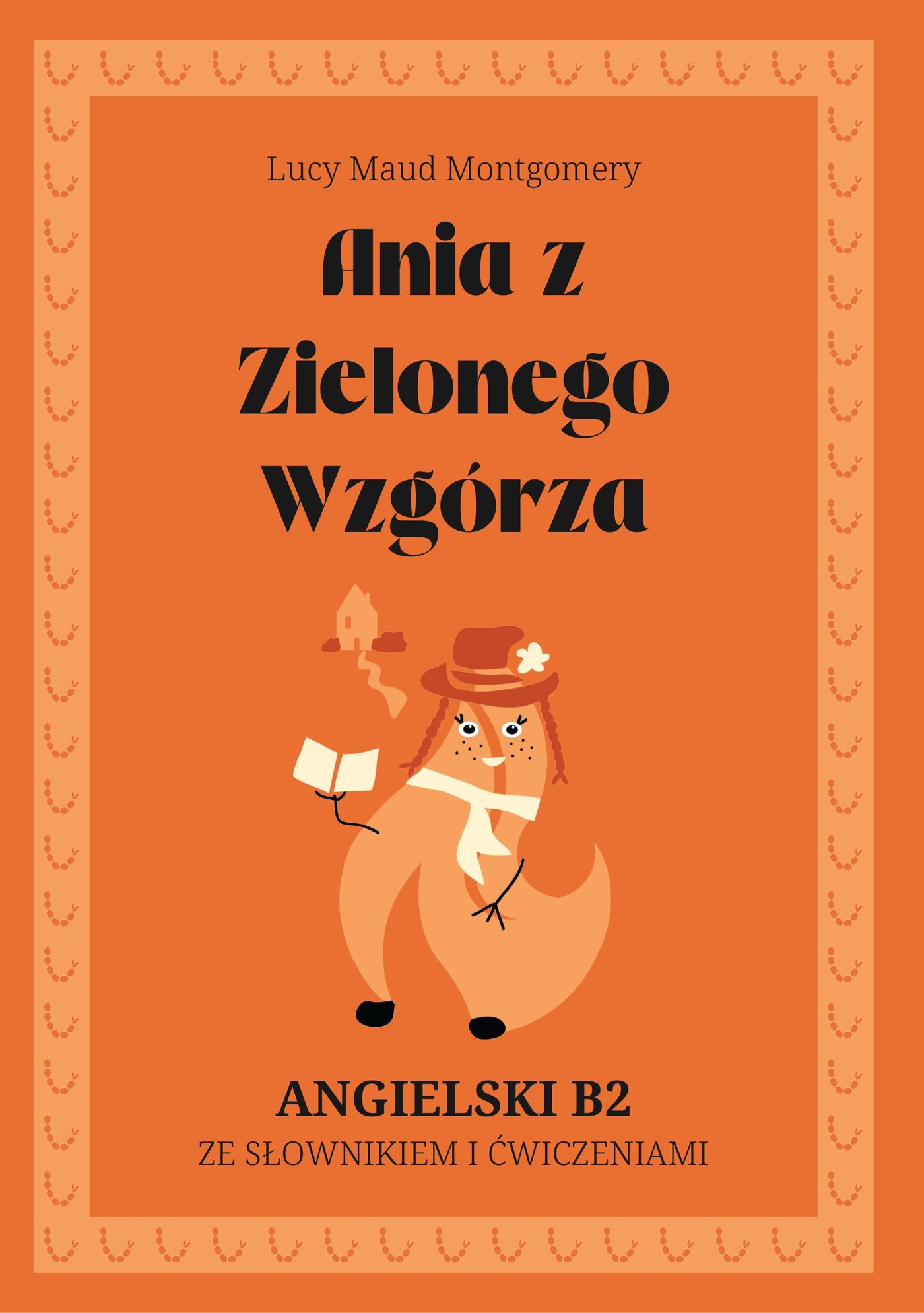
Ania z Zielonego Wzgórza po angielsku (B2) ze słowniczkiem i ćwiczeniami - ebook
Ania z Zielonego Wzgórza po angielsku (B2) ze słowniczkiem i ćwiczeniami - ebook
Przedstawiamy książkę Ania z Zielonego Wzgórza (Anne of Green Gables) na poziomie B2 (średniozaawansowany) angielskiego. W środku znajdziesz: -słowniczek w formie tłumaczeń dostępnych po dotknięciu podkreślonych słówek -ćwiczenia do każdego rozdziału (krzyżówki, zadania z lukami i anagramy) na poziomie średniozaawansowanym (B2) -fiszki z najważniejszymi słówkami do nauki do pobrania i wydrukowania "Ania z Zielonego Wzgórza" to powieść kanadyjskiej autorki Lucy Maud Montgomery, która opowiada historię osieroconej, rudowłosej dziewczynki o imieniu Ania Shirley. Czytając tę książkę, w przyjemny sposób nauczysz się nowych słówek i poprawisz swoje umiejętności rozumienia tekstu po po angielsku. Słówka w tej książce zostały dostosowane do poziomu B2 (średniozaawansowanego) języka angielskiego na podstawie częstości występowania słów w korpusie 2 miliardów słów. Oznacza to, że postawiliśmy na proste, najpotrzebniejsze Ci słownictwo na samym początku nauki angielskiego.
Ta publikacja spełnia wymagania dostępności zgodnie z dyrektywą EAA.
| Kategoria: | Angielski |
| Język: | Angielski |
| Zabezpieczenie: |
Watermark
|
| ISBN: | 9788397534131 |
| Rozmiar pliku: | 1,5 MB |
FRAGMENT KSIĄŻKI
Witaj w książce, która pomoże Ci w nauce języka! Dzięki tej książce, będziesz mógł przyjemnie spędzić czas i jednocześnie (prawie, że przypadkiem) rozwinąć swoje umiejętności językowe.
Zdaniem naukowców czytanie tekstu, który rozumiesz tylko w 90-95% pozwala sie nauczyć najwięcej. Ciekawa historia utrzyma Twoją uwagę i zmotywuje Cię do wymyślania samemu znaczeń słów. W razie, gdyby tej motywacji zabrakło - po dotknięciu jakiegokolwiek słowa zobaczysz popup z jego tłumaczeniem. Popup z tłumaczeniem powinien bez problemu działać na czytnikach Kindle, Kobo oraz iBooks. Jeżeli korzystasz z innego czytnika np. Pocketbook spróbuj w ustawieniach zezwolić na pokazywanie przypisów (footnotes) jako popup. Jeżeli popup nie działa na Twoim czytniku, kliknięcie słowa przekieruje Cię do słowniczka na końcu rozdziału. Mniej to wygodne, ale spełnia swoją funkcję.
Na końcu każdego rozdziału znajduje się przycisk przekierowujący do ćwiczeń słówek z tego rozdziału na naszej stronie www.pentecost.pub. Znajdziesz tam fiszki (online oraz do wydrukowania), dopasowywanie znaczeń i wiele innych! Stale staramy się nad tą częścią pracować, więc jeżeli kiedyć wrócisz do tych samych ćwiczeń to być może znajdziesz tam więcej, ciekawszych zadań.
xoxo, Pentecost!
Następny rozdział →Mrs. Rachel Lynde Is Surprised
Mrs. Rachel Lynde lived where the main road in Avonlea went down into a small dip. This dip was lined with trees and flowers. A stream ran through it. This stream started far back in the old Cuthbert woods. People said it was wild and fast there. It had deep pools and waterfalls. But by the time it reached Mrs. Lynde's home, it was a calm little stream. Even a stream had to act properly near Mrs. Rachel's house. It probably knew Mrs. Rachel was watching from her window. She kept a close eye on everything. If she saw anything strange, she would find out why.
Many people in Avonlea liked to know their neighbors' business. They often ignored their own work to do this. But Mrs. Rachel Lynde was different. She could manage her own tasks and everyone else's too. She was an excellent housekeeper. Her work was always finished and done well. She led the Sewing Circle. She also helped with the Sunday school. She was a main helper for the Church Aid Society and Foreign Missions. Even with all this, Mrs. Rachel had plenty of time. She would sit for hours at her kitchen window. She knitted many quilts. People in Avonlea often said she had made sixteen of them. She also watched the main road very closely. This road went through the dip and up a steep red hill.
Avonlea was a small piece of land shaped like a triangle. It stuck out into the Gulf of St. Lawrence. Water was on two sides of it. Anyone going in or out of Avonlea had to use that hill road. This meant they passed under Mrs. Rachel's hidden watch. She was sitting there one afternoon in early June. The sun shone warm and bright through her window. The orchard below her house was covered in pink and white flowers. Many bees buzzed around them. Thomas Lynde, her quiet husband, was planting turnip seeds. He was working in the field beyond the barn. Matthew Cuthbert should have been planting his seeds too. His field was near Green Gables. Mrs. Rachel knew this. She had heard him tell Peter Morrison the night before. Matthew had said he would plant his seeds the next afternoon. Peter had asked him, because Matthew never offered information himself.
But Matthew Cuthbert was calmly driving over the dip and up the hill. It was half-past three on a busy afternoon. He also wore a white collar and his best suit. This was a clear sign he was leaving Avonlea. He had his buggy and his reddish-brown horse. This showed he was going a long way. Where was Matthew Cuthbert going? Why was he going there? If it had been anyone else, Mrs. Rachel could have guessed. She was good at connecting clues. But Matthew rarely left home. It had to be something important and strange. He was the shyest man. He hated being around strangers or having to talk. Matthew, dressed up and in his buggy, was a rare sight. Mrs. Rachel thought and thought. She could not figure it out. Her afternoon fun was ruined.
"I will just go to Green Gables after tea," Mrs. Rachel finally decided. "I will ask Marilla where he went and why. He does not usually go to town this time of year. He never visits anyone. If he needed more turnip seeds, he would not dress up. He would not take the buggy for that. He was not driving fast enough to be going for a doctor. But something must have happened since last night. It made him leave. I am completely confused. I will not have any peace until I know why Matthew Cuthbert left Avonlea today."
So, after tea, Mrs. Rachel left her house. She did not have far to go. The Cuthbert's large house was surrounded by an orchard. It was less than a quarter mile up the road from Lynde's Hollow. But a long lane made the walk a bit longer. Matthew Cuthbert's father was also shy and quiet. He built his farm as far away from other people as possible. He did not go into the woods, but he was close. Green Gables was built at the very edge of his cleared land. It is still there today. You can barely see it from the main road. All the other Avonlea houses were close together along that road. Mrs. Rachel Lynde did not think living in such a place was truly living.
"It is just staying, that is what it is," she said. She walked along the lane. It had deep tracks and grass. Wild rose bushes lined its sides. "It is no wonder Matthew and Marilla are a little strange. They live so far back here by themselves. Trees are not much company. But there are certainly enough trees if they were. I would rather look at people. They seem happy enough, I suppose. But they are probably just used to it. People can get used to anything, even being hanged, as the Irishman said."
Mrs. Rachel then stepped out of the lane. She was now in the backyard of Green Gables. The yard was very green, neat, and tidy. Old, tall willow trees stood on one side. Neat Lombardy poplar trees stood on the other. There were no loose sticks or stones to be seen. Mrs. Rachel would have noticed if there were. She secretly thought Marilla Cuthbert swept the yard as often as she swept her house. You could have eaten a meal off the ground. You would not have found any dirt at all. Mrs. Rachel knocked firmly at the kitchen door. She stepped inside when Marilla told her to.
The kitchen at Green Gables was a pleasant room. It would have been cheerful. But it was too clean. It looked like a room that was never used. Its windows faced east and west. Soft June sunlight came through the west window. This window looked out on the backyard. The east window showed white cherry blossoms in the orchard. It also showed thin birch trees swaying in the hollow by the stream. Thick vines covered this window. Marilla Cuthbert sat here when she sat down. She did not quite trust sunshine. She thought it was too playful and carefree. She believed the world should be serious. She sat there now, knitting. The table behind her was set for dinner.
Mrs. Rachel had barely closed the door. She had already noticed everything on the table. Three plates were set. This meant Marilla expected someone to come home with Matthew for tea. But the dishes were everyday dishes. There was only crab-apple jam and one kind of cake. So the guest could not be anyone important. But what about Matthew's white collar? What about the reddish-brown horse? Mrs. Rachel was quite confused by this strange mystery. Green Gables was usually a simple place.
"Good evening, Rachel," Marilla said quickly. "It is a really nice evening, is it not? Will you sit down? How is your family?"
Marilla Cuthbert and Mrs. Rachel had a kind of friendship. It had always been there. This was true even though they were very different. Marilla was a tall, thin woman. She had sharp features and no soft curves. Her dark hair had some gray hairs. It was always pulled back tightly into a small bun. Two wire hairpins were pushed firmly through it. She looked like a woman with limited life experience. She also looked like she had strict morals. This was true. But there was a hint of something good about her mouth. If it had been a little more noticeable, it might have shown a sense of humor.
"We are all pretty well," Mrs. Rachel said. "I was a bit worried about you, though. I saw Matthew leaving today. I thought maybe he was going to the doctor's."
Marilla's lips moved slightly. She understood. She had expected Mrs. Rachel to visit. She knew that Matthew leaving so strangely would make her neighbor very curious. "Oh, no, I am quite well," she said. "But I had a bad headache yesterday. Matthew went to Bright River. We are getting a little boy from an orphanage in Nova Scotia. He is coming on the train tonight."
Marilla could have said Matthew went to meet a kangaroo. Mrs. Rachel would not have been more shocked. She was speechless for five seconds. It was unthinkable that Marilla was joking. But Mrs. Rachel almost had to believe it.
"Are you serious, Marilla?" she asked. Her voice came back to her.
"Yes, of course," Marilla said. She spoke as if getting boys from orphanages was normal. It was like a usual spring task on any well-run farm in Avonlea. It was not a new and strange idea at all. Mrs. Rachel felt a big shock. She had very strong, surprised thoughts. A boy! Marilla and Matthew Cuthbert adopting a boy! From an orphanage! The world was certainly changing completely! Nothing would surprise her after this! Nothing!
"What on earth gave you such an idea?" she asked. She did not approve. Her advice had not been asked. So, of course, she had to disapprove.
"Well, we have been thinking about it for some time," Marilla answered. "All winter, in fact. Mrs. Alexander Spencer was here one day before Christmas. She said she would get a little girl from the orphanage in Hopeton in the spring. Her cousin lives there. Mrs. Spencer has visited her and knows all about it. So Matthew and I have talked about it sometimes since then. We thought we would get a boy. Matthew is getting old, you know. He is sixty. He is not as active as he once was. His heart troubles him a lot. And you know how very hard it is to find farm workers. There is never anyone to be found. Only those young French boys. As soon as you get one used to your ways, he is gone. They go to the lobster canneries or the States.
"At first, Matthew suggested getting a boy from a London orphanage. But I said a firm no to that. They may be all right. I am not saying they are not. But no poor London children for me, I said. Give me a Canadian-born child at least. There will be a risk, no matter who we get. But I will feel more at peace. I will sleep better at night if we get a Canadian. So, in the end, we decided to ask Mrs. Spencer to choose one for us. She would do this when she went to get her little girl. We heard last week she was going. So we sent her a message. We asked her to bring us a clever, promising boy. He should be about ten or eleven. We decided that would be the best age. He would be old enough to help with chores right away. He would be young enough to be taught well. We plan to give him a good home and an education.
"We got a telegram from Mrs. Alexander Spencer today. The mailman brought it from the station. It said they were coming on the five-thirty train tonight. So Matthew went to Bright River to meet him. Mrs. Spencer will drop him off there. Of course, she goes on to White Sands station herself."
Mrs. Rachel was proud of always saying what she thought. She began to speak now. She had changed her way of thinking about this surprising news. "Well, Marilla, I will just tell you plainly. I think you are doing a very foolish thing. It is a dangerous thing, that is what it is. You do not know what you are getting. You are bringing a strange child into your home. You do not know anything about him. You do not know his personality. You do not know what kind of parents he had. You do not know what he will become.
"Why, just last week I read in the paper. A man and his wife west of the Island took a boy from an orphanage. He set fire to their house at night. He started it on purpose, Marilla. He almost burned them badly in their beds. And I know another case. An adopted boy used to suck eggs. They could not stop him. If you had asked my advice about this, Marilla, which you did not. I would have said, please do not even think of such a thing. That is what I would have said."
Mrs. Rachel's warnings did not upset or scare Marilla. She kept knitting calmly. "I do not say that what you say is not true, Rachel. I have had some worries myself. But Matthew was very determined about it. I could see that. So I agreed. Matthew rarely decides on something. When he does, I always feel I should agree. And about the risk, there are risks in almost everything people do in this world. There are risks even when people have their own children. They do not always become good people. And Nova Scotia is very close to the Island. It is not like we are getting him from England or the States. He cannot be much different from us."
"Well, I hope it will turn out all right," Mrs. Rachel said. Her tone clearly showed her strong doubts. "Just do not say I did not warn you. What if he burns Green Gables down? Or puts poison in the well? I heard of a case in New Brunswick. An orphanage child did that. The whole family died in terrible pain. But it was a girl in that case."
"Well, we are not getting a girl," Marilla said. She spoke as if poisoning wells was something only girls did. It was not to be feared from a boy. "I would never think of raising a girl. I am surprised at Mrs. Alexander Spencer for doing it. But then, she would not hesitate to adopt a whole orphanage if she decided to."
Mrs. Rachel wanted to stay until Matthew came home. She wanted to see the orphan he was bringing. But she thought it would be at least two more hours. So she decided to go up the road to Robert Bell's house. She would tell them the news there. It would certainly be very big news. Mrs. Rachel loved to cause excitement. So she left. This made Marilla feel a little better. Marilla felt her worries coming back. This was because of Mrs. Rachel's negative talk.
"Well, of all the things that ever happened!" Mrs. Rachel exclaimed. She was safely out in the lane. "It really seems like I must be dreaming. I am truly sorry for that poor young one. Matthew and Marilla know nothing about children. They will expect him to be wiser and calmer than his own grandfather. That is, if he even had a grandfather, which is unlikely. It seems strange to think of a child at Green Gables. There has never been one there. Matthew and Marilla were grown up when the new house was built. It is hard to believe they were ever children when you look at them. I would not want to be that orphan for anything. Oh, I pity him, that is what I do."
Mrs. Rachel said this to the wild rose bushes. She spoke from her deep feelings. But if she could have seen the child waiting patiently at Bright River station at that moment, her pity would have been even deeper.
Następny rozdział →
Mrs.: Pani
lived: mieszkała
where: gdzie
the: ta
main: główna
road: droga
went: schodziła
down: w dół
into: do
small: małe
dip: zagłębienie
This: To
was: było
lined: otoczone
with: przez
trees: drzewa
and: i
flowers: kwiaty
stream: strumień
ran: płynął
through: przez
started: zaczynał się
far: daleko
back: w głębi
old: starych
woods: lasach
People: Ludzie
said: mówili
wild: dziki
fast: szybki
there: tam
had: miał
deep: głębokie
pools: sadzawki
waterfalls: wodospady
But: Ale
by the time: zanim
reached: dotarł
home: domu
calm: spokojnym
little: małym
Even: Nawet
act: zachowywać
properly: właściwie
near: blisko
house: domu
probably: prawdopodobnie
knew: wiedział
watching: obserwowała
from: z
her: jej
window: okna
She: Ona
kept: trzymała
close: baczne
eye: oko
everything: wszystko
saw: zobaczyła
anything: coś
strange: dziwnego
would: by
find out: dowiedziała się
why: dlaczego
Many: Wiele
liked: lubiło
know: znać
their: ich
neighbors: sąsiadów
business: sprawy
They: Oni
often: często
ignored: ignorowali
own: własną
work: pracę
But: Ale
Mrs.: Pani
was: była
different: inna
She: Ona
could: potrafiła
manage: zarządzać
her: swoimi
tasks: zadaniami
and: i
everyone: wszystkich
else's: innych
too: również
excellent: doskonałą
housekeeper: gospodynią
always: zawsze
finished: skończona
done: wykonana
well: dobrze
led: przewodziła
the: (temu)
Sewing: Szycia
Circle: Kołu
also: także
helped: pomagała
with: z
Sunday: Niedzielną
school: szkołą
main: główną
helper: pomocnicą
for: dla
Church: Kościelnego
Aid: Wspomagania
Society: Stowarzyszenia
Foreign: Zagranicznych
Missions: Misji
Even: Nawet
all: całym
had: miała
plenty: mnóstwo
time: czasu
would: (zwykła)
sit: siedzieć
hours: godziny
kitchen: kuchennym
window: oknie
knitted: dziergała
quilts: kołder
People: Ludzie
said: mówili
made: zrobiła
sixteen: szesnaście
watched: obserwowała
road: drogę
very: bardzo
closely: uważnie
This: Ta
went: wiodła
through: przez
dip: zagłębienie
steep: strome
red: czerwone
hill: wzgórze
was: była
small: mały
piece: kawałek
land: ziemi
shaped: ukształtowany
like: jak
triangle: trójkąt
stuck out: wystawało
into: w
the: tę
Water: Woda
two: dwóch
sides: stronach
Anyone: Każdy
going: idący
out: z
had to: musiał
use: użyć
that: tę
hill: wzgórza
road: drogę
This: To
meant: oznaczało
passed: przechodzili
under: pod
Mrs.: Pani
hidden: ukrytą
watch: obserwacją
She: Ona
sitting: siedząc
there: tam
one: pewnego
afternoon: popołudnia
early: wczesnym
sun: słońce
shone: świeciło
warm: ciepło
and: i
bright: jasno
through: przez
her: jej
window: okno
orchard: sad
below: poniżej
house: domu
covered: pokryty
pink: różowe
white: białe
flowers: kwiaty
Many: Wiele
bees: pszczół
buzzed: bzyczało
around: wokół
them: nich
quiet: cichy
husband: mąż
planting: sadząc
turnip: rzepy
seeds: nasiona
working: pracując
field: polu
beyond: za
barn: stodołą
should have been: powinien był
his: swoje
too: też
near: blisko
knew: wiedziała
had: miała
heard: słyszała
him: go
tell: mówić
night: nocy
before: wcześniej
said: powiedział
would: by
next: następnego
asked: zapytał
because: ponieważ
never: nigdy
offered: oferował
information: informacji
himself: sam
But: Ale
was: jechał
calmly: spokojnie
driving: jadąc
over: przez
the: to
dip: zagłębienie
and: i
hill: wzgórza
half-past: wpół do
three: trzeciej
busy: ruchliwe
afternoon: popołudnie
also: także
wore: nosił
white: biały
collar: kołnierzyk
his: swój
best: najlepszy
suit: garnitur
This: To
clear: wyraźny
sign: znak
leaving: opuszczał
had: miał
buggy: powóz
reddish-brown: rudobrązowego
horse: konia
showed: pokazywało
going: jechał
long: długą
way: drogę
there: tam
else: inny
Mrs.: Pani
could: mogłaby
guessed: zgadnąć
She: Ona
connecting: łączeniu
clues: wskazówek
rarely: rzadko
home: dom
had to be: musiało być
something: coś
important: ważnego
strange: dziwnego
shyest: nieśmielszym
man: mężczyzną
hated: nienawidził
around: wśród
strangers: obcych
talk: rozmawiać
dressed up: ubrany
rare: rzadkim
sight: widokiem
thought: myślała
not: nie
figure it out: rozgryźć tego
fun: zabawa
ruined: zrujnowana
will: będę
just: po prostu
after: po
tea: herbacie
Mrs.: Pani
finally: w końcu
decided: zdecydowała
ask: zapytać
where: gdzie
went: poszedł
and: i
why: dlaczego
does: nie
not: nie
usually: zazwyczaj
town: miasta
time: porze
year: roku
never: nigdy
visits: odwiedza
needed: potrzebował
more: więcej
turnip: rzepy
seeds: nasion
would: by
dress up: ubrał się
take: wziął
the: tego
buggy: powozu
for: dla
that: tego
was: nie
driving: jechał
fast: szybko
enough: wystarczająco
doctor: lekarza
But: Ale
something: coś
must: musiało
have: się
happened: stało
since: od
last: ostatniej
night: nocy
made: sprawiło
him: mu
leave: odejść
completely: całkowicie
confused: zdezorientowana
any: żadnego
peace: spokoju
until: dopóki
know: nie dowiem się
today: dzisiaj
after: po
tea: herbacie
Mrs.: Pani
left: opuściła
her: swój
house: dom
She: Ona
did: nie
not: miała
have: mieć
far: daleko
large: duży
was: był
surrounded: otoczony
orchard: sad
less: mniej
than: niż
quarter: ćwierć
mile: mili
the: tej
road: drogi
from: od
But: Ale
long: długa
lane: aleja
made: sprawiła
walk: spacer
bit: trochę
father: ojciec
also: również
shy: nieśmiały
and: i
quiet: cichy
built: zbudował
his: swoją
farm: farmę
away: odlegle
other: innych
possible: możliwe
into: do
woods: lasu
close: blisko
very: samym
edge: krańcu
cleared: oczyszczonej
land: ziemi
still: nadal
there: tam
today: dzisiaj
You: Można
can: można
barely: ledwo
see: zobaczyć
main: głównej
together: razem
along: wzdłuż
that: tej
think: sądziła
living: życie
such: takim
place: miejscu
truly: prawdziwym
just: tylko
staying: pozostawaniem
that: to
what: co
said: powiedziała
She: Ona
walked: szła
along: wzdłuż
the: aleją
lane: aleją
had: miała
deep: głębokie
tracks: koleiny
and: i
grass: trawę
rose: róże
bushes: krzewy
lined: porastały
its: jej
sides: boki
wonder: dziwnego
are: są
little: trochę
strange: dziwni
They: Oni
live: mieszkają
far: daleko
back: tutaj
here: tutaj
themselves: sami
not: są
much: dobrym
company: towarzystwem
But: Ale
there: jest
certainly: na pewno
enough: wystarczająco
trees: drzew
would: bym
rather: raczej
look: patrzyła
seem: wydają się
happy: szczęśliwi
suppose: przypuszczam
probably: prawdopodobnie
used: przyzwyczajeni
People: Ludzie
can: mogą
get: przyzwyczaić się
anything: wszystkiego
hanged: powieszonym
Irishman: Irlandczyk
Mrs.: Pani
then: wtedy
stepped: wyszła
out: na zewnątrz
the: tej
lane: alejki
She: Ona
was: była
now: teraz
backyard: podwórku
yard: podwórko
very: bardzo
neat: schludne
and: i
tidy: uporządkowane
tall: wysokie
willow: wierzby
trees: drzewa
stood: stały
one: jednej
side: stronie
poplar: topole
other: stronie
loose: luźnych
sticks: patyków
stones: kamieni
seen: widzianymi
would: by
have: by
noticed: zauważyła
there: tam
secretly: potajemnie
thought: myślała
swept: zamiatała
often: często
her: swój
house: dom
You: Można
could: było
eaten: jeść
meal: posiłek
off: z
ground: ziemi
not: nie
found: znaleziono
any: żadnego
dirt: brudu
at all: wcale
knocked: zapukała
firmly: stanowczo
kitchen: kuchennych
door: drzwi
inside: do środka
when: kiedy
told: kazała
kitchen: kuchnia
was: była
pleasant: przyjemnym
room: pokojem
would: byłaby
have: byłaby
cheerful: radosna
But: Ale
too: zbyt
clean: czysta
looked: wyglądała
like: jak
that: który
never: nigdy
used: używany
windows: okna
faced: wychodziły
east: na wschód
and: i
west: zachód
Soft: Miękkie
sunlight: światło słoneczne
came: wpadało
through: przez
the: to
This: To
out: na
backyard: podwórko
showed: pokazywało
white: białe
cherry: wiśniowe
blossoms: kwiaty
orchard: sadzie
also: także
thin: cienkie
birch: brzozy
trees: drzewa
swaying: kołyszące się
hollow: zagłębieniu
stream: strumieniu
Thick: Gęste
vines: pnącza
covered: pokrywały
sat: siadała
here: tutaj
when: kiedy
down: na dół
She: Ona
did: nie
not: nie
quite: całkiem
trust: ufała
sunshine: słońcu
thought: sądziła
playful: figlarne
carefree: beztroskie
believed: wierzyła
world: świat
should: powinien
serious: poważny
there: tam
now: teraz
knitting: dziergając
table: stół
behind: za
her: nią
set: nakryty
for: na
dinner: obiad
Mrs.: Pani
had: ledwo
barely: ledwo
closed: zamknęła
the: drzwi
door: drzwi
She: Ona
already: już
noticed: zauważyła
everything: wszystko
table: stole
plates: talerze
were: były
set: nakryte
This: To
meant: oznaczało
expected: spodziewała się
someone: kogoś
come: wrócił
home: do domu
with: z
for: na
tea: herbatę
But: Ale
dishes: naczynia
everyday: codzienne
only: tylko
crab-apple: dzikiej jabłoni
jam: dżem
and: i
one: jeden
kind: rodzaj
cake: ciasta
guest: gość
could: nie mógł
not: nie
important: ważny
what: co
about: z
white: biały
collar: kołnierzyk
reddish-brown: rudobrązowym
horse: koniem
quite: całkiem
confused: zmieszana
strange: dziwną
mystery: zagadką
usually: zazwyczaj
simple: prostym
place: miejscem
evening: wieczór
said: powiedziała
quickly: szybko
really: naprawdę
nice: miły
not: nie
sit: usiądzie
down: na dół
How: Jak
your: pani
family: rodzina
and: i
Mrs.: Pani
had: miały
kind: rodzaj
friendship: przyjaźni
always: zawsze
been: była
there: tam
This: To
true: prawda
though: chociaż
very: bardzo
different: różne
tall: wysoka
thin: szczupła
woman: kobieta
She: Ona
sharp: ostre
features: rysy
curves: krągłości
dark: ciemne
hair: włosy
some: kilka
gray: siwych
pulled: ściągnięte
back: do tyłu
tightly: ciasno
into: w
small: mały
bun: kok
wire: druciane
hairpins: szpilki
pushed: wsunięte
firmly: mocno
through: przez
looked: wyglądała
like: jak
with: z
limited: ograniczonym
life: życiowym
experience: doświadczeniem
also: także
strict: surowe
morals: zasady
But: Ale
hint: ślad
something: dobrego
good: dobrego
about: wokół
her: jej
mouth: ust
little: trochę
more: bardziej
noticeable: zauważalne
might: mogłoby
shown: pokazało
sense: poczucie
humor: humoru
are: jesteśmy
all: wszyscy
pretty: całkiem
well: dobrze
Mrs.: Pani
said: powiedziała
bit: kawałek
worried: zmartwiona
about: o
though: jednak
saw: widziałam
leaving: odchodzącego
today: dzisiaj
thought: pomyślałam
maybe: może
going: idący
the: tego
doctor's: lekarza
lips: usta
moved: poruszyły się
slightly: nieznacznie
She: Ona
understood: zrozumiała
had: miała
expected: spodziewała się
Mrs.: Pani
visit: odwiedziła
knew: wiedziała
that: że
leaving: opuszczający
strangely: dziwnie
would: sprawiłoby
make: uczynić
her: jej
neighbor: sąsiadkę
very: bardzo
curious: ciekawską
quite: całkiem
well: dobrze
said: powiedziała
But: Ale
bad: silny
headache: ból głowy
yesterday: wczoraj
went: pojechał
are: dostajemy
getting: dostajemy
little: małego
boy: chłopca
from: z
orphanage: sierocińca
coming: przyjeżdża
the: tym
train: pociągiem
tonight: dziś wieczorem
could: mogłaby
have: być
said: powiedzieć
went: pojechał
meet: spotkać
kangaroo: kangura
Mrs.: Pani
would: nie byłaby
not: nie
been: była
more: bardziej
shocked: zszokowana
She: Ona
speechless: bez słowa
for: przez
five: pięć
seconds: sekund
unthinkable: nie do pomyślenia
that: że
joking: żartowała
But: Ale
almost: prawie
believe: uwierzyć
serious: poważna
asked: zapytała
voice: głos
came: wrócił
back: z powrotem
her: niej
Yes: Tak
of course: oczywiście
said: powiedziała
She: Ona
spoke: mówiła
as if: jakby
getting: dostawanie
boys: chłopców
from: z
orphanages: sierocińców
was: było
normal: normalne
like: jak
usual: zwykłe
spring: wiosenne
task: zadanie
any: każdej
well-run: dobrze prowadzonej
farm: farmie
not: nie
new: nowym
and: i
strange: dziwnym
idea: pomysłem
at all: wcale
Mrs.: Pani
felt: poczuła
big: duży
shock: szok
had: miała
very: bardzo
strong: silne
surprised: zdziwione
thoughts: myśli
adopting: adoptujący
world: świat
certainly: z pewnością
changing: zmieniał
completely: całkowicie
Nothing: Nic
would: nie
her: jej
after: po
on earth: u licha
gave: dało
such: taki
idea: pomysł
asked: zapytała
She: Ona
did: nie
not: nie
approve: aprobowała
advice: rada
had: nie
been: została
of course: oczywiście
disapprove: nie aprobować
have: mamy
been: byliśmy
thinking: myśleliśmy
about: o
for: przez
some: jakiś
time: czas
answered: odpowiedziała
winter: zimę
in fact: właściwie
Mrs.: Pani
here: tutaj
one: pewnego
day: dnia
before: przed
She: Ona
said: powiedziała
would: by
get: dostanie
little: małą
girl: dziewczynkę
from: z
the: tego
orphanage: sierocińca
spring: wiosnę
cousin: kuzynka
lives: mieszka
there: tam
visited: odwiedziła
her: ją
and: i
knows: wie
all: wszystko
talked: rozmawialiśmy
sometimes: czasami
since: od
then: tego czasu
boy: chłopca
old: stary
sixty: sześćdziesiąt
not: nie
active: aktywny
once: kiedyś
heart: serce
troubles: sprawia kłopoty
him: mu
lot: dużo
very: bardzo
hard: trudno
find: znaleźć
farm: rolników
workers: pracowników
never: nigdy
those: ci
young: młodzi
French: francuscy
As soon as: Jak tylko
used: przyzwyczajonego
your: swoich
ways: sposobów
gone: już
They: Oni
lobster: homarów
canneries: konserw
States: Stanów
hope: mam nadzieję
will: będzie
turn out all right: skończy się dobrze
Mrs.: Pani
said: powiedziała
tone: ton
clearly: wyraźnie
showed: pokazywał
her: jej
strong: silne
doubts: wątpliwości
not: nie
did: nie
warn: ostrzegłam
burns: spali
down: doszczętnie
puts: wsypie
poison: truciznę
the: tej
well: studni
heard: słyszałam
case: przypadku
orphanage: sierocińca
child: dziecko
that: to
whole: cała
family: rodzina
died: zmarła
terrible: strasznym
pain: bólu
But: Ale
was: była
girl: dziewczynka
are: nie
not: nie
getting: dostajemy
girl: dziewczynki
said: powiedziała
She: Ona
spoke: mówiła
poisoning: zatruwanie
wells: studni
something: czymś
only: tylko
did: robiły
feared: obawiania
from: od
boy: chłopca
would: bym
never: nigdy
think: pomyślała
raising: wychowywaniu
surprised: zaskoczona
Mrs.: Panią
for: za
But: Ale
then: wtedy
hesitate: wahałaby się
adopt: adoptować
whole: całe
orphanage: sierociniec
decided: zdecydowała
Mrs.: Pani
wanted: chciała
stay: zostać
until: aż
came: przyszedł
home: do domu
She: Ona
see: zobaczyć
the: tę
orphan: sierotę
was: przyprowadzał
bringing: przyprowadzał
But: Ale
thought: myślała
would: by
at least: przynajmniej
two: dwie
more: więcej
hours: godziny
decided: zdecydowała
road: drogi
house: domu
tell: powiedziała
them: im
news: wiadomości
there: tam
certainly: z pewnością
very: bardzo
big: wielkie
loved: uwielbiała
cause: wywoływać
excitement: ekscytację
left: odeszła
This: To
made: sprawiło
feel: poczuć
little: trochę
better: lepiej
her: jej
worries: zmartwienia
back: z powrotem
because: ponieważ
negative: negatywnej
talk: rozmowy
all: wszystkich
the: tych
things: rzeczy
that: które
ever: kiedykolwiek
happened: wydarzyły się
Mrs.: Pani
exclaimed: zawołała
She: Ona
was: była
safely: bezpiecznie
out: na zewnątrz
lane: alejce
really: naprawdę
seems: wydaje się
like: jakby
must: muszę
dreaming: śniąca
truly: naprawdę
sorry: przykro
for: za
poor: biednego
young: młodego
one: jednego
and: i
know: wiedzą
about: o
children: dzieciach
They: Oni
will: będą
expect: oczekiwać
him: od niego
wiser: mądrzejszy
calmer: spokojniejszy
than: niż
his: jego
own: własny
grandfather: dziadek
had: miał
which: co
unlikely: mało prawdopodobne
strange: dziwne
think: myśleć
never: nigdy
there: tam
grown: dorośli
when: kiedy
new: nowy
house: dom
built: zbudowany
hard: trudno
believe: uwierzyć
look: patrzy
would: bym
not: nie
want: chciała
orphan: sierotą
anything: nic
pity: żałuję
what: co
Mrs.: Pani
said: powiedziała
the: tych
wild: dzikich
rose: różanych
bushes: krzewów
She: Ona
spoke: mówiła
from: z
her: jej
deep: głębokich
feelings: uczuć
But: Ale
could: mogła
have: by
seen: zobaczyła
child: dziecko
waiting: czekające
patiently: cierpliwie
station: stacji
that: tym
moment: momencie
pity: litość
would: by
been: była