MENU
MENU
 Nasze ceny

 Przeczytaj fragment on-line

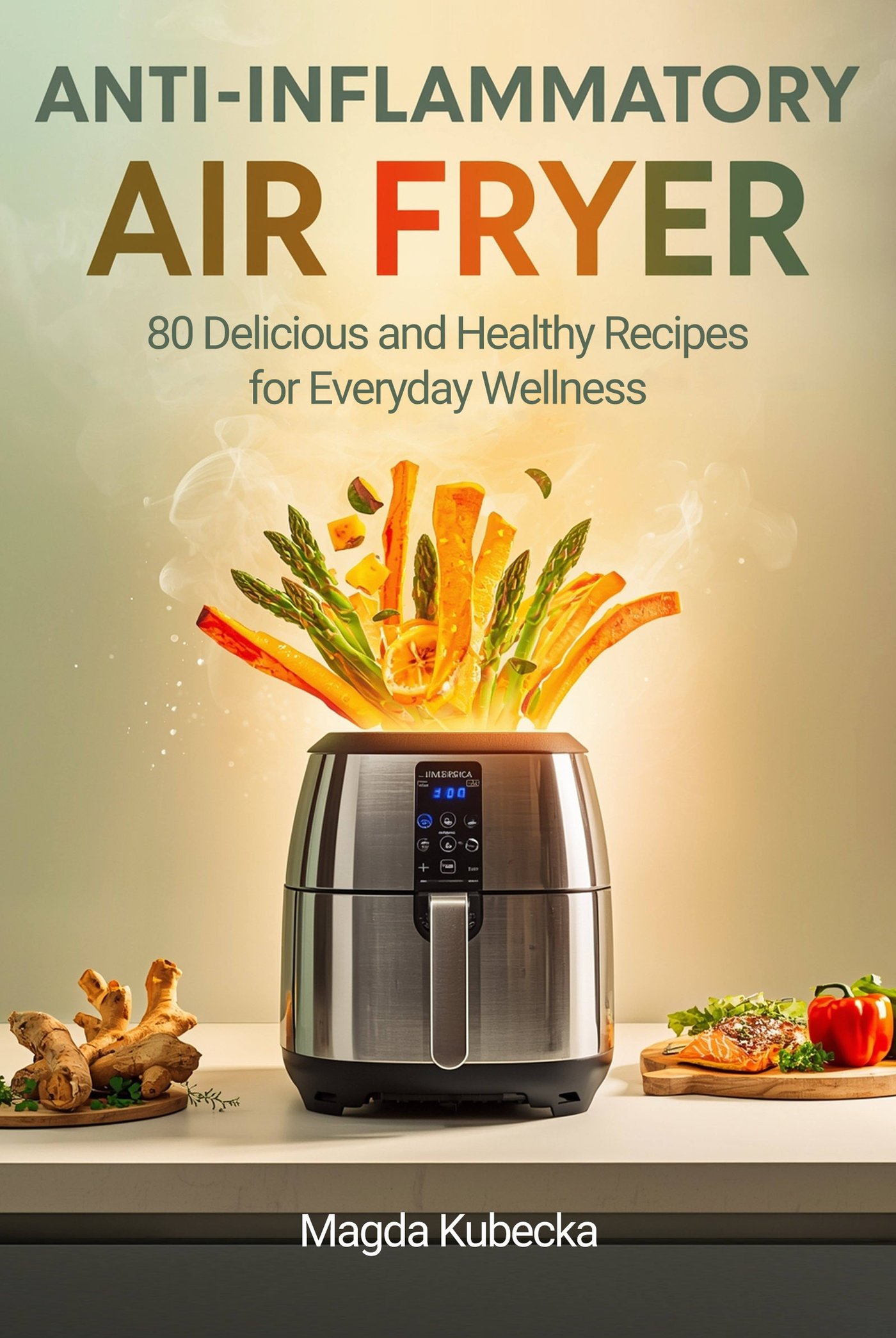
Anti-Inflammatory Air Fryer Cookbook: 80 Delicious and Healthy Recipes for Everyday Wellness - ebook
Anti-Inflammatory Air Fryer Cookbook: 80 Delicious and Healthy Recipes for Everyday Wellness - ebook
Discover the Power of Healthy Cooking Made Simple! Transform the way you eat with this ultimate guide to anti-inflammatory air fryer cooking. Packed with 80 delicious, wholesome recipes, this book shows you how to prepare flavorful meals that support your body’s natural defenses—without spending hours in the kitchen. Learn how to use your air fryer to create light, crispy, and nutrient-rich dishes that fight inflammation, boost energy, and promote overall wellness. From vibrant veggie bowls and protein-packed mains to guilt-free desserts, every recipe is designed to nourish your body and delight your taste buds. Whether you’re looking to reduce inflammation, maintain a healthy weight, or simply enjoy clean, satisfying meals, this cookbook makes it easy—and irresistibly tasty. Eat well. Feel better. Live fully—with every bite.
Ta publikacja spełnia wymagania dostępności zgodnie z dyrektywą EAA.
| Kategoria: | Cooking & Food |
| Język: | Angielski |
| Zabezpieczenie: |
Watermark
|
| Rozmiar pliku: | 220 KB |
FRAGMENT KSIĄŻKI
1: Introduction to anti-inflammatory diet
What is an anti-inflammatory diet
Why Air Fryer is ideal for anti-inflammatory diet
Basic Air Fryer cooking techniques
2: Essential anti-inflammatory ingredients
List of basic anti-inflammatory spices
Oils and fats suitable for Air Fryer
Alternative flours and their uses
Natural sugar substitutes
3: Breakfasts full of energy
Baked eggs in avocado with turmeric
Gluten-free almond flour waffles
Granola with nuts and seeds
Frittata with spinach and tomatoes
Baked oatmeal with berries
Egg muffins with broccoli
Sweet potato toast
Omelet with mushrooms and herbs
4: Snacks and appetizers
Kale chips with garlic
Roasted nuts with rosemary
Beetroot chips with thyme
Chickpea balls with turmeric
Peppers stuffed with hummus
Grilled asparagus with lemon
Mushrooms stuffed with nuts
Zucchini chips with oregano
Roasted zucchini with tahini
Artichoke hearts in herbs
5: Air Fryer-assisted soups and one-pot dishes
Cream of roasted tomatoes
Roasted pumpkin soup with ginger
Roasted onions for onion soup
Gluten-free toast for soups
Roasted vegetables for minestrone soup
Vegetable chips as a topping for soups
6: Fish and seafood
Salmon in turmeric and ginger marinade
Cod with herb crumble
Shrimp in garlic and parsley
Trout with lemon and dill
Halibut with pumpkin seeds
Mackerel with rosemary
Tuna in sesame
Sea bass with basil
Sardines with oil and oregano
Calamari in smoked paprika
7: Anti-inflammatory poultry
Chicken in turmeric and garlic
Turkey with herbs de Provence
Wings in ginger marinade
Chicken breasts in almond batter
Chicken thighs with peppers
Nuggets of turkey in sesame
Poultry rolls with spinach
Chicken skewers with vegetables
Duck breast with orange
Chicken strips in quinoa flakes
8: Vegetables as a main course
Eggplant stuffed with buckwheat groats
Portobello burger without bun
Peppers stuffed with quinoa
Zucchini stuffed with lentils
Cauliflower in curry with turmeric
Broccoli in tahini sauce
Stuffed yams with black beans
Roasted beets with goat cheese
Brussels sprouts caramelized with nuts
Mushroom pumpkin with cinnamon
Asparagus with parmesan
Baked tomatoes with basil
9: Gluten-free bread and baked goods
Almond flour bread
Coconut flour buns
Flaxseed crackers
Focaccia made from chickpea flour
Rice flour naan breads
Buckwheat flour baguettes
Pizza on cauliflower base
Tapioca flour pita
10: Light and filling dinners
Salad with baked salmon
Bowl with quinoa and roasted vegetables
Wrap with grilled tofu
Mushroom Risotto (with Air Fryer mushrooms)
Zucchini pad thai
Lentil curry with roasted cauliflower
Zoodles with pesto and shrimp
Buddha bowl with yam
11: Weekend with friends - dishes for feasting together
Mini fish burgers
Vegetable skewers with yogurt dip
Nachos with yams
Spring rolls of vegetables
Roasted vegetable tapas
Mezze with falafel
Mini quiche without pastry
Antipasti of grilled vegetables
Bruschetta on gluten-free bread
Spicy quinoa balls
12: Christmas anti-inflammatory menu
Roasted turkey breast with cranberries
Glazed root vegetables
Stuffed mushrooms for an appetizer
Christmas salmon in herbs
Baked apples with cinnamon
Gluten-free Christmas bread
Baked maroons
Christmas roasted beet salad
13: Desserts without remorse
Baked apples with nuts
Pears in cinnamon
Banana chips with cocoa
Black bean brownie
Oatmeal cookies with cranberries
Date truffles
Roasted peaches with honey
Gluten-free apple crumbles
Coconut power balls
Chocolate yam muffinsWhat is an anti-inflammatory diet
Inflammation is your immune system's natural response to injury, infection or toxins. Acute inflammation occurs when you cut your finger or catch a cold - a good sign that your body is defending itself. You manifest it by redness, swelling, warmth and pain in the area. This process usually lasts a few days and subsides once the danger has passed.
Chronic inflammation, which rolls quietly in your body for months or even years, is completely different. You don't feel it as clearly as acute inflammation, but it systematically destroys your health from the inside. Your immune system remains on constant battle alert, attacking your own tissues. This condition can lead to the development of type 2 diabetes, heart disease, arthritis, Alzheimer's disease, some cancers and accelerated aging. Chronic inflammation also exacerbates digestive problems, worsens mood and can cause chronic fatigue.
FUNDAMENTALS OF AN ANTI-INFLAMMATORY DIET
An anti-inflammatory diet is based on providing your body with ingredients that naturally inhibit inflammatory processes. The basis is oily marine fish, such as salmon, mackerel or sardines, rich in omega-3 fatty acids. These valuable fats are transformed in your body into compounds called resolvins and protectins, which actively end the inflammatory process and restore balance in the tissues.
Leafy vegetables - spinach, kale, arugula - provide you with antioxidants that neutralize free radicals that sustain inflammation. Nuts and seeds, especially walnuts and flaxseed, strengthen cell membranes and regulate the production of pro-inflammatory cytokines. Spices such as turmeric contain curcumin, which blocks the NF-kB molecule - the main switch of genes responsible for inflammation in your cells.
Equally important is what you avoid. Processed foods full of preservatives and artificial additives provoke your immune system to overreact. Refined sugar raises insulin levels and activates a cascade of inflammatory reactions. Trans fats, found in margarines and fast food, alter the structure of your cell membranes, making them more susceptible to damage and inflammation. Red meat in excess provides arachidonic acid, a precursor to pro-inflammatory substances.
THE TRANSFORMATION YOU WILL FEEL .
By following an anti-inflammatory diet, you will notice the first change after just a few weeks - an increase in energy and better quality of sleep. Your joints will become more flexible, and morning pain and stiffness will begin to subside. Your skin will regain its glow, pimples and irritation will decrease, and the wound healing process will accelerate.
Your immune system will begin to work more efficiently - you will catch infections less often, and if you do get sick, you will recover faster. Your concentration and memory will improve, as your brain will be freed from the toxic effects of chronic inflammation. You will reduce your risk of developing heart disease by up to 30%, and your likelihood of developing type 2 diabetes will drop by half. Long term, you can expect weight stabilization, better blood sugar control and lower blood pressure. It's not just a diet - it's an investment in your future free of lifestyle diseases.Why Air Fryer is ideal for anti-inflammatory diet
When you immerse food in oil heated to 180-200°C, you set off a cascade of chemical reactions that are harmful to your health. At such high temperatures, oil oxidizes, forming aldehydes and lipid peroxides - compounds that, when absorbed by your body, attack cell membranes and DNA, causing inflammation. Particularly dangerous is acrylamide, formed when you fry starchy foods like potatoes or breaded pork chops. This compound not only increases inflammatory processes, but also exhibits neurotoxic and potentially carcinogenic effects.
Deep frying also produces advanced glycation products (AGEs) - molecules that result from reactions between sugars and proteins at high temperatures. These toxic compounds are deposited in your tissues, accelerating cellular aging and activating RAGE receptors, which trigger the production of pro-inflammatory cytokines. Each serving of French fries or breaded nuggets provides your body with thousands of units of AGEs, which your body will neutralize for days to come, taxing your immune system.
Repeatedly used frying oil becomes even more toxic - it contains polymerization and fat breakdown products that damage the intestinal mucosa, disrupt the intestinal microbiota and lead to chronic inflammation in the digestive system. It's a vicious cycle - the more you eat traditionally fried foods, the more your body remains in a state of chronic immune alarm.
REVOLUTIONARY HOT AIR TECHNOLOGY
Air Fryer uses a completely different cooking principle - instead of submerging the food in fat, it surrounds it with a stream of hot air circulating at speeds of up to 70 km/h. The spiral flow of air at 140-200°C evenly envelops each piece of food, creating a crispy crust on the surface thanks to the Maillard reaction, but without excess fat and its harmful breakdown products.
This technology allows you to prepare meals with just a teaspoon of oil or no fat at all - just the natural fat contained in the product. Vegetables drizzled with a little extra virgin olive oil retain all the valuable polyphenols that would be destroyed in traditional frying. Meat and fish retain their natural moisture inside, while the surface becomes golden and crispy.
Rapid air circulation reduces cooking time by 20-30% compared to traditional oven roasting. This is a key advantage for preserving anti-inflammatory ingredients - vitamin C, polyphenols and carotenoids are sensitive to prolonged heat. In the Air Fryer, your omega-3-rich salmon is ready in 12 minutes, broccoli retains sulforaphane after 8 minutes, and roasted beets full of betalains take just 25 minutes.
SYNERGY AIR FRYER WITH ANTI-INFLAMMATORY DIET.
Reducing fat by 80-90% in prepared foods means you can enjoy your favorite flavors without burdening your body with excess calories and pro-inflammatory omega-6 fatty acids. When you prepare yam French fries in the Air Fryer, you provide your body with beta-carotene and anthocyanins instead of toxins from deep frying. Your homemade kale chips contain a full dose of sulforaphane and lutein, not acrylamide.
The Air Fryer's ability to precisely control the temperature allows you to cook at an optimal range of 140-160°C for most vegetables and 170-180°C for meats, minimizing the formation of harmful compounds. That's 20-40°C less than traditional frying, but enough to produce an appetizing golden crust. Shorter preparation time also means less loss of thermolabile antioxidants - your dishes retain up to 90% of vitamin C, 85% of polyphenols and 80% of carotenoids.
In the Air Fryer you can prepare the full spectrum of anti-inflammatory dishes - from crispy root vegetables to tender fish fillets, from spicy wings with turmeric to sweet desserts with berries. The device allows you to experiment with anti-inflammatory spices such as ginger, garlic and rosemary, which release their full flavors and bioactive ingredients in the dry, hot air without the risk of burning. It's not just a way of cooking - it's a tool that transforms your kitchen into a health laboratory.
Basic Air Fryer cooking techniques
Temperature in the Air Fryer is your most important tool in the fight to preserve anti-inflammatory ingredients. The 160-200°C range you use in an anti-inflammatory diet allows you to achieve the perfect balance between appetizing browning and protecting valuable bioactive substances. Each food group has its own optimal temperature - tender leafy vegetables need only 160°C for 5-7 minutes, root vegetables caramelize perfectly at 180°C for 15-20 minutes, and fatty fish preserve omega-3s at 170°C for 10-12 minutes.
Preheating the Air Fryer for 3-5 minutes is a step you can't skip. When you put products into the heated unit, it immediately starts a Maillard reaction on the surface, creating a protective layer that traps juices and nutrients inside. Without heating, your food will dry out instead of browning, losing water-soluble vitamins and delicate antioxidants.
Cooking time in the Air Fryer is 20-30% shorter than in a conventional oven, which protects thermosensitive anti-inflammatory compounds. Sulforaphane in broccoli retains 85% of its activity after 8 minutes at 180°C, while only 60% remains after 15 minutes in the oven. Anthocyanins in eggplant or red cabbage are best protected by cooking them for a maximum of 12-15 minutes at 170°C. Remember that each additional 10°C of temperature accelerates vitamin C degradation by about 15%, so precise settings are key.
PRODUCT PREPARATION - THE FOUNDATION OF A PERFECT RESULT.
Even slicing is the cornerstone of success in the Air Fryer. When your yam pieces are similar in size - ideally 1.5-2 cm thick - they cook equally, retaining maximum beta-carotene and fiber. Uneven pieces mean that smaller pieces will burn, creating harmful compounds, while larger pieces will remain raw in the center.
Gentle oiling with quality oil is an art you must learn. Use a spray bottle or silicone brush to coat the surface of your products with a thin layer of extra virgin olive oil or avocado oil - just 5-10 ml per serving for 4 people. These oils have a high smoke point (oil 190°C, avocado 270°C) and contain anti-inflammatory fatty acids and vitamin E. The oil not only helps conduct heat, but also increases the bioavailability of carotenoids from vegetables by up to 600%.
You can use anti-inflammatory spices as a natural coating that protects the product and enriches its health profile. A blend of turmeric, smoked paprika and granulated garlic adheres to the lightly oiled surface of the chicken, creating a protective layer rich in curcumin and capsaicin. Ground flaxseed with oregano and basil is an ideal sprinkle on fish, providing lignans and polyphenols. Shaking the basket every 5-7 minutes ensures even spice coverage and caramelization on all sides without burning.
SPACE AND FLOW - THE SECRET TO PERFECT TEXTURE.
A single layer of products in the basket is an inviolable rule of the Air Fryer. When you stack Brussels sprouts or pieces of salmon, leave at least 0.5-1 cm of space between them. Free circulation of hot air must reach every surface to create a crispy crust and distribute heat evenly. An overflowing basket means steaming instead of roasting - your vegetables will be soft and watery, losing their anti-inflammatory glucosinolates.
Perforated trays are your ally when cooking small items - seeds, nuts or finely diced vegetables. The holes allow air to flow through while the product remains safe. Silicone trays work well when preparing a serving of salmon with vegetables - each serving cooks evenly, and omega-3 does not leak to the bottom of the basket.
The order in which you add ingredients requires planning. You put the hard root vegetables, like carrots or parsley, in first and cook them for 10 minutes at 180°C. Then you add broccoli or bell peppers, which need only 8 minutes. Finally, for the last 5 minutes, you add tender cherry tomatoes or spinach. This layered cooking technique allows you to prepare a complete anti-inflammatory dish, where each ingredient retains optimal texture and maximum bioactive substances. Never mix products with extremely different water content - moist mushrooms with dry nuts is a recipe for culinary disaster and loss of valuable nutrients.List of basic anti-inflammatory spices
Let's start with turmeric - the true queen among anti-inflammatory spices. Its golden color is due to curcumin, a compound with powerful anti-inflammatory properties that works at the molecular level, blocking enzymes responsible for inflammatory processes in the body. However, remember a key rule - curcumin is poorly absorbed by the body, so always combine turmeric with a little freshly ground black pepper. Piperine contained in pepper increases the bioavailability of curcumin by up to 2000%! In addition, it's a good idea to combine turmeric with a small amount of healthy fat, such as olive oil, which further enhances its absorption.
Ginger is another treasure in your anti-inflammatory kitchen. The gingerols and shogaols it contains work similarly to non-steroidal anti-inflammatory drugs, but in a completely natural way. Fresh ginger is particularly rich in gingerols, which inhibit the production of pro-inflammatory cytokines. You can use both fresh ginger and dried ginger in Air Fryer - both retain their valuable properties.
Ceylon cinnamon deserves special attention. Unlike the popular Cassia cinnamon, the Ceylon variety contains much less coumarin, which in large quantities can be harmful to the liver. What's more, Ceylon cinnamon effectively regulates blood sugar levels by reducing protein glycation - a process that increases inflammation. As little as half a teaspoon a day can bring noticeable health benefits.
Garlic, although technically a vegetable, functions in the kitchen as a spice and should not be missing from your arsenal. Allicin, formed when garlic is crushed or chopped, has potent anti-inflammatory and antibacterial effects. Give garlic 10 minutes of "rest" after chopping before adding it to a dish - during this time allicin will fully develop.
Oregano is a real antioxidant bomb. It contains more antioxidants per gram than most fruits! Rosmarinic acid present in oregano effectively neutralizes free radicals and inhibits enzymes responsible for inflammatory reactions. Dried oregano is just as valuable as fresh, making it an ideal addition to dishes prepared in the Air Fryer.
ANTI-INFLAMMATORY SUPPORTIVE SPICES
Rosemary is not only a flavorful addition to dishes, but also a source of carnosic acid - one of the most potent natural antioxidants. It protects brain cells from oxidative damage and promotes memory. In the Air Fryer, rosemary beautifully releases its essential oils, giving dishes a deep Mediterranean flavor.
Thyme contains thymol, a compound with proven antibacterial and antifungal activity. Interestingly, thymol also enhances the effects of other anti-inflammatory spices, creating synergistic combinations particularly effective against chronic inflammation. Thyme blends well with rosemary and oregano to form a classic trio of Mediterranean spices.
Basil, especially fresh, provides eugenol - the same compound you find in cloves. Eugenol blocks the activity of the cyclooxygenase enzyme, much like aspirin, but without the side effects. Basil's essential oils also aid digestion and reduce oxidative stress in the digestive tract.
Coriander, both in seed and fresh leaf form, supports the body's natural detoxification processes. It contains linalool, which helps eliminate heavy metals from the body, while reducing inflammation caused by toxins. Coriander seeds further support digestion and reduce bloating.
Cumin is your ally in the fight against inflammation of the digestive system. It contains coumaldehyde, which not only reduces bloating and improves digestion, but also exhibits anti-inflammatory effects at the intestinal level. Combined with turmeric and coriander, it forms a classic spice blend with synergistic anti-inflammatory effects.
Rich in capsanthin (a milder form of capsaicin), sweet peppers gently stimulate metabolism and circulation, while providing a large dose of vitamin C and carotenoids. These compounds work synergistically with other spices, potentiating their anti-inflammatory and antioxidant effects.
PRACTICAL TIPS FOR STORING AND USING SPICES IN THE AIR FRYER.
Proper storage of spices is the basis for preserving their anti-inflammatory properties. Keep them in airtight containers, in a dark and dry place, away from heat sources. Light and moisture are the biggest enemies of the active compounds in spices. Whole spices stay fresh longer than ground ones - consider buying a spice grinder and grinding them on the fly.
Creating your own mixtures of anti-inflammatory spices is an art that you will quickly master. Start with a basic mixture: 2 tablespoons of turmeric, 1 tablespoon of ground ginger, 1 teaspoon of Ceylon cinnamon, teaspoons of black pepper and a pinch of cayenne. This versatile blend will work well with both vegetables and proteins.
The order in which you add spices in the Air Fryer is crucial. Add delicate herbs like basil or fresh cilantro toward the end of cooking or just after removing the food from the machine. Hard spices like turmeric, cumin or dried oregano can be added early - the high temperatures will release their flavors. Garlic works best if you add it halfway through the cooking time - you will avoid burning it, while retaining its aroma and health properties.
To prevent delicate spices from burning, use a simple trick - mix them first with a little olive oil or avocado oil. The fat will form a protective layer that will prevent the spices from coming into direct contact with the hot air. A temperature of 180°C is a safe point for most spices - it allows them to release their flavors without the risk of burning their valuable active compounds.
Oils and fats suitable for Air Fryer
Avocado oil is the absolute champoin among Air Fryer oils, with an impressive smoke point of up to 270°C. This exceptional heat resistance means you can safely use it even at the machine's maximum settings. Rich in oleic acid - the same one you find in olive oil - avocado oil supports heart health and reduces inflammatory markers. What's more, it contains lutein, which protects vision and acts as an anti-inflammatory at the cellular level. Its neutral flavor does not dominate the delicate spices, allowing them to shine fully.
Extra virgin olive oil, although it has a lower smoke point (around 190°C), still works great in the Air Fryer when used skillfully. The key is to keep the temperature below 190°C - most foods cook just fine at 180°C. The polyphenols in extra virgin oil are powerful anti-inflammatory compounds that protect against heart disease and promote brain health. Choose oil in dark bottles, with the harvest date on the label - freshness is of paramount importance here.
Virgin coconut oil deserves a place in your kitchen because of its unique medium-chain fatty acids (MCTs), especially lauric acid. These acids are metabolized differently than other fats - they go directly to the liver, where they are converted into ketones, providing quick energy and supporting cognitive function. The smoke point of virgin coconut oil is about 180°C, making it suitable for most Air Fryer applications. Its natural antibacterial and antifungal properties further support gut health.
Grape seed oil, with a smoke point of about 216°C, is an underrated source of vitamin E - one of the most potent fat-soluble antioxidants. It also contains proanthocyanidins, the same compounds that make red wine beneficial for heart health. Its light, almost imperceptible flavor makes it ideal for delicate vegetables and fish.
Understanding the importance of the smoke point is the key to anti-inflammatory cooking. When oil reaches its smoke point, it begins to break down, creating harmful compounds like aldehydes and free radicals - highly pro-inflammatory substances that can damage cells and DNA. Exceeding the smoke point not only destroys the oil's valuable nutrients, but actually turns healthy fat into an inflammatory toxin. That's why it's so important to match the oil to the cooking temperature.
TECHNIQUES FOR USING OILS IN AIR FRYER FOR MAXIMUM ANTI-INFLAMMATORY BENEFITS
The spray method is the gold standard for oil application in the Air Fryer. Instead of pouring oil over your products, which often leads to uneven distribution and excess fat, use a gentle spray. This technique allows you to coat the surface of the food with an ultra-thin layer of oil - just enough for crispness, but not thick enough to create harmful compounds during cooking.
Atomizer is your best friend in the kitchen with Air Fryer. Fill it with your favorite high smoke point oil and use 2-3 puffs per serving. The atomizer allows you to control the amount of oil used with a precision impossible with traditional pouring. For optimal results, hold the atomizer about 15-20 cm from the food and make quick, even movements. Remember to clean the atomizer weekly with hot water and a little vinegar to prevent the oil from going rancid in the nozzle.
The technique of rubbing oil in with a silicone brush gives you maximum control over the amount and distribution of fat. Particularly effective with delicate vegetables like eggplant or zucchini, which absorb oil easily. Dip the brush into the oil, shake off the excess and gently spread it over the surface of the produce. This method allows you to use up to 50% less oil than with spraying, while still providing perfect coverage.
Combining oils is an advanced strategy for optimizing the fatty acid profile. The ideal ratio of omega-6 to omega-3 should be about 4:1, while the typical Western diet provides it at a ratio of 20:1 or higher. Create your own blend: 3 parts avocado oil, 1 part grape seed oil and a few drops of omega-3-rich algae oil (which has a high smoke point). This combination provides heat stability, a wealth of antioxidants and a favorable fatty acid profile.
OILS FOR FINISHING DISHES AFTER BAKING.
Flaxseed oil is the true king of omega-3s, containing more alpha-linolenic acid than any other vegetable oil. However, its extremely low smoke point (107°C) and delicate texture make it absolutely unsuitable for heating. Add a teaspoon of flaxseed oil to a prepared dish just before serving - drizzling it over roasted vegetables or an Air Fryer salad will not only enrich the flavor with a nutty note, but provide a powerful dose of anti-inflammatory omega-3s. Store flaxseed oil in the refrigerator and use it up within a month after opening.
Walnut oil is another treasure for finishing dishes. Rich in alpha-linolenic acid and melatonin - yes, the same hormone that regulates sleep - walnut oil promotes recovery and reduces inflammation associated with sleep disorders. Its deep, nutty flavor pairs fantastically with roasted beets, pears or goat cheese. Like flaxseed oil, never subject it to high temperatures.
Often overlooked in cooking, hemp oil offers an ideal ratio of omega-6 to omega-3 (3:1) and rare gamma-linolenic acid (GLA), which has powerful anti-inflammatory effects, especially for skin and joint problems. Its herbal and nutty flavor adds depth to simple Air Fryer dishes. Sprinkle it on roasted yams or mushy pumpkin for a unique flavor and health profile.
Top quality olive oil for finishing is in a completely different league from that for cooking. Look for oil labeled "harvest date" no older than a year, preferably from a single olive variety. Such oil contains the maximum amount of polyphenols and offers a complex bouquet of flavors - from grassy to spicy to fruity. Sprinkling such oil on prepared dishes is not only a feast for the palate, but also a boost of antioxidants that would have been destroyed during cooking.
Adding these valuable oils after heat treatment is a strategy to maximize health benefits. High temperatures destroy delicate omega-3 acids, fat-soluble vitamins and polyphenols. By using finishing oils, you keep all their anti-inflammatory properties intact. What's more, the fat added to a finished, warm dish blends better with it and releases flavors, while helping to absorb vitamins A, D, E and K from vegetables.
Alternative flours and their uses
Almond flour is a real star among alternative flours, especially in the context of an anti-inflammatory diet. Rich in vitamin E - it contains as much as 26 mg per 100 g - it acts as a protective shield for your cells, neutralizing free radicals formed during inflammatory processes. In addition, it provides 21 g of protein per 100 g, making it an excellent choice for those concerned about stable blood sugar levels. Its naturally sweet, nutty flavor means that baked goods don't need a lot of added sweeteners, which also helps reduce inflammation.
Coconut flour is a champion of fiber - it contains as much as 39 grams per 100 grams, four times more than whole wheat flour. This fiber acts as a prebiotic, feeding beneficial gut bacteria that produce short-chain fatty acids with anti-inflammatory effects. Coconut flour absorbs huge amounts of liquids - as much as 4-5 times more than wheat flour - which you must take into account in your recipes. Its low carbohydrate content (only 19 g per 100 g) helps control insulin levels, a key hormone in inflammatory processes.
Flaxseed flour is a powerhouse of omega-3s in powder form. It provides 23 grams of alpha-linolenic acid per 100 grams, making it one of the richest plant sources of these anti-inflammatory fatty acids. What's more, the lignans in flaxseed have been shown to have anticancer effects and regulate hormones. The flour also has binding properties - when mixed with water, it forms a gel-like consistency that can replace eggs in baked goods.
Contrary to its name, buckwheat flour, which has nothing to do with wheat, is a treasure trove of rutin - a flavnoid with powerful anti-inflammatory effects, which strengthens blood vessels and reduces swelling. It also contains all the essential amino acids, making it a complete source of protein. Its characteristic slightly bitter taste adds depth to baked goods, and its high magnesium content (231 mg per 100 g) supports nervous system function and reduces stress-related inflammation.
Chickpea flour is a protein powerhouse - it provides 22 g of protein per 100 g, with a low glycemic index of just 35. Rich in folate, iron and manganese, it supports red blood cell production and energy metabolism. Its creamy texture and mildly nutty flavor make it ideal for salty baked goods. The saponins it contains have an anti-inflammatory effect and lower cholesterol.
Eliminating gluten can significantly reduce inflammation, even in people without celiac disease. Gluten in sensitive individuals increases intestinal permeability, leading to so-called leaky gut syndrome, where food particles enter the bloodstream, triggering an immune response. Even people without overt intolerance can experience a reduction in bloating, improved energy and reduced inflammation after restricting gluten. Modern wheat varieties contain significantly more gluten than those of 50 years ago, which may explain the growing number of people sensitive to this protein.
TECHNIQUES FOR WORKING WITH ALTERNATIVE FLOURS IN THE AIR FRYER
The proportions of replacing wheat flour with alternative flours require an understanding of the unique properties of each flour. Use almond flour in a 1:1 ratio, but reduce the amount of fat in the recipe by 25%, as the flour itself contains natural oils. Use coconut flour only 1/4 to 1/3 of the amount of wheat flour - its tremendous absorbency requires a 50-100% increase in liquids. You can use buckwheat flour in a 3/4:1 ratio, preferably combined with tapioca flour for better texture. Chickpea flour works well in a 3/4:1 ratio, especially in salty recipes.
Binding agents are absolutely key when working with gluten-free flours. You can replace one egg with a tablespoon of ground flaxseed mixed with 3 tablespoons of water - set aside for 5 minutes to thicken. Psyllium (plantain) is another fantastic binding agent - just a teaspoon per cup of flour significantly improves the texture of baked goods. Xanthan gum, although it sounds chemical, is a natural polysaccharide that, at 1/4 teaspoon per cup of flour, provides gluten-like elasticity.
Adjusting the amount of liquid is an art you master with practice. Coconut flour requires up to 4 times more liquid than wheat flour. Almond flour needs 10-20% less liquid. Always add liquids gradually - dough made from gluten-free flours should be slightly thicker than traditional flours, as it will thicken during baking. In an Air Fryer, moisture evaporates faster than in a traditional oven, so increase the amount of liquids by an additional 10-15%.
Combining different flours is the secret to success in gluten-free baking. A versatile blend: 40% rice or buckwheat flour (base), 30% starch (tapioca or potato for lightness), 20% almond flour (moisture and protein), 10% coconut or flaxseed flour (fiber and texture). This ratio works well in most baked goods. For breadcrumbs, a combination of 60% almond flour and 40% coconut flour works perfectly - the former gives crunchiness, the latter absorbs excess moisture.
APPLICATIONS OF SPECIFIC FLOURS IN SPECIFIC RECIPES
For coating in Air Fryer, a duo of almond flour and coconut flour works best. Almond flour creates a golden, crunchy shell that caramelizes beautifully at high temperatures. Combine it in a 2:1 ratio with coconut flour, which absorbs moisture from the breaded product, providing extra crunch. Add to this mixture your favorite anti-inflammatory spices - turmeric, smoked paprika and granulated garlic. When coating, first coat the product in coconut flour, then in a beaten egg with a tablespoon of water, and finally in the flour-spice mixture.
Air Fryer's gluten-free bread requires a special combination of flours. Combining buckwheat flour (50%) with tapioca flour (30%) and chickpea flour (20%) gives a texture most similar to traditional bread. Be sure to add a tablespoon of psyllium per cup of the mixture and a teaspoon of apple cider vinegar - the acid activates the binding properties and improves rising. Form smaller loaves or rolls - smaller portions bake better in the Air Fryer, ensuring even overbaking.
Pancakes and cakes made from chickpea flour are a revelation at Air Fryer. Chickpea flour alone mixed with water in a 1:1 ratio, with a pinch of salt and turmeric, makes the batter for Indian besan chilla pancakes. You can bake them directly in an Air Fryer basket lined with baking paper - 6 minutes at 180°C on each side. For more traditional pancakes, combine chickpea flour with rice flour in a 1:1 ratio, add vegetable milk and a teaspoon of coconut oil.
UNIVERSAL GLUTEN-FREE FLOUR MIX FOR AIR FRYER should be your basic supply. Prepare a larger batch: 500 g brown rice flour (neutral flavor base), 300 g tapioca starch (lightness and elasticity), 200 g almond flour (moisture and nutritional value), 100 g flaxseed flour (binder and omega-3), 2 tsp psyllium (texture), teaspoon xanthan gum (elasticity). Store the mixture in an airtight container in the refrigerator for up to 3 months. This mixture works well as a 1:1 substitute for wheat flour in most recipes - from muffins to bread to cakes.
Natural sugar substitutes
Erythritol is an absolute winner in the category of sugar substitutes for the Air Fryer. Its biggest advantage is its heat stability - it does not caramelize or break down at high temperatures, making it ideal for baking in this device. With a glycemic index of zero and containing only 0.24 calories per gram (sugar has 4 calories), erythritol does not raise blood glucose levels or trigger an insulin spike. Importantly, the body absorbs it 90% in the small intestine and excretes it unchanged, so it does not ferment in the gut like other sugar alcohols. Its sweetness is about 70% that of sugar, and the cooling aftertaste disappears during baking.
Xylitol, although it has a slightly higher glycemic index (13), offers unique antibacterial properties, especially against the Streptococcus mutans bacteria responsible for tooth decay. It contains 2.4 calories per gram and is as sweet as sugar, making it easy to swap in recipes. Xylitol can actually reduce inflammation in the mouth and sinuses. In Air Fryer, it behaves similarly to sugar, caramelizing slightly at higher temperatures. Note - xylitol is toxic to dogs, so keep your baked goods away from your four-legged friends.
Stevia comes in several forms, each with different uses in the Air Fryer. You can add fresh or dried stevia leaves to teas or infusions prepared in the device. Liquid extract is ideal for spreading in cakes and creams - use just a few drops, as it is 200-300 times sweeter than sugar. Stevia powder works well in dry baking mixes, but use it sparingly - as little as 1/4 teaspoon replaces a cup of sugar. Stevia can leave a bitter aftertaste when overdosed, so it's best to combine it with erythritol in a 1:10 ratio.
Yacon syrup is a real prebiotic bomb - it contains 40-50% fructooligosaccharides (FOS), which feed beneficial gut bacteria. With a glycemic index of only 1, it is safe for diabetics and those on an anti-inflammatory diet. Its caramel flavor with a hint of molasses adds depth to baked goods. Use it carefully in Air Fryer - its high fructose content makes it brown faster than other sweeteners. Reduce the temperature by 10°C and reduce the baking time by 15-20%.
Coconut milk powder is a subtle sweetener that further enhances the texture of baked goods. It contains the coconut's natural sugars (about 24%), but also healthy MCT fats and fiber, which slow down the absorption of sugars. Its creamy texture makes baked goods moister and fluffier. The Air Fryer also acts as a natural emulsifier, combining fat and water components.
The link between high blood sugar and inflammation is direct and multilevel. When glucose rises rapidly, a process called glycation occurs - sugar molecules combine with proteins to form harmful AGE (Advanced Glycation End-products) compounds. These compounds activate RAGE receptors on the surface of immune cells, triggering an inflammatory cascade. In addition, high glucose concentrations increase free radical production in the mitochondria, damage the endothelium of blood vessels and increase the production of pro-inflammatory cytokines like IL-6 and TNF-alpha. Insulin resistance, often accompanied by high sugar intake, is itself an inflammatory condition, creating a vicious cycle: inflammation exacerbates insulin resistance, which in turn exacerbates inflammation.
NATURAL SWEETENERS WITH ADDITIONAL ANTI-INFLAMMATORY PROPERTIES.
Raw manuka honey is not just a sweetener, but a real medicine. Its unique ingredient, methylglyoxal (MGO), exhibits powerful antibacterial, antiviral and anti-inflammatory properties. UMF 15+ certified honey contains at least 514 mg/kg MGO and can promote wound healing, soothe gastrointestinal inflammation and boost immunity. At Air Fryer, add manuka honey only to cooled baked goods or use it as a glaze applied after baking - high temperatures destroy its valuable properties. Remember that despite its benefits, honey is still 82% simple sugars.
Grade A maple syrup (the lightest and finest) is a mine of antioxidants - it contains 54 different antioxidant compounds, including gallic acid and benzoic acid. It also provides manganese (essential for the production of anti-inflammatory enzymes) and zinc (crucial for the immune system). In Air Fryer, maple syrup caramelizes beautifully, creating a glossy glaze. Use it to pour over root vegetables before roasting - its sweetness balances the natural bitterness of the vegetables.
Dates are nature in its purest form - 70% natural sugars, but also 7 g of fiber per 100 g, which slows glucose absorption. They contain potassium (696 mg/100g), which regulates blood pressure, and anti-inflammatory polyphenols. You can stuff whole dates with nuts and bake them in an Air Fryer - 5 minutes at 160°C is enough to achieve caramel sweetness. Add chopped dates to cakes as a natural sweetness and source of moisture.
Date paste is your secret weapon in gluten-free baking. Prepare it yourself: soak 200 g of seedless dates in a glass of hot water for 10 minutes, then blend until smooth. This paste not only sweetens, but also binds the ingredients and adds moisture - perfect for brownies or energy bars in Air Fryer. Store in the refrigerator for up to 2 weeks.
Cane molasses is a concentrate of minerals - a tablespoon provides 20% of the daily requirement for iron, 15% for calcium and 10% for magnesium. Its distinctive, slightly bitter flavor adds depth to gingerbread and spice cakes. Molasses also contains antioxidants that survive Air Fryer temperatures. Use it sparingly - a tablespoon per cake is enough for rich flavor and color.
Moderation is key even with natural sweeteners. Fructose from fruit or honey, while natural, in excess stresses the liver and can lead to non-alcoholic fatty liver disease - a highly pro-inflammatory condition. Even natural sweeteners can sustain an addiction to the sweet taste. Gradually reduce the amount of sweeteners you use, allowing your taste buds to adjust to less sweet flavors.
PRACTICAL TIPS FOR USING REPLACEMENTS IN AIR FRYER
Adjusting baking temperatures with different sweeteners is essential for success. Fructose-containing sweeteners (honey, agave syrup, maple syrup) brown 25% faster than sugar - reduce the temperature by 10-15°C. Erythritol and stevia do not affect browning, so you may need to add a little molasses or maple syrup for golden color. Xylitol behaves most similarly to sugar - use standard temperatures. With fruit pastes, reduce the baking time by 20% and cover the top with aluminum foil if it browns too quickly.