MENU
MENU
 Nasze ceny

 Przeczytaj fragment on-line

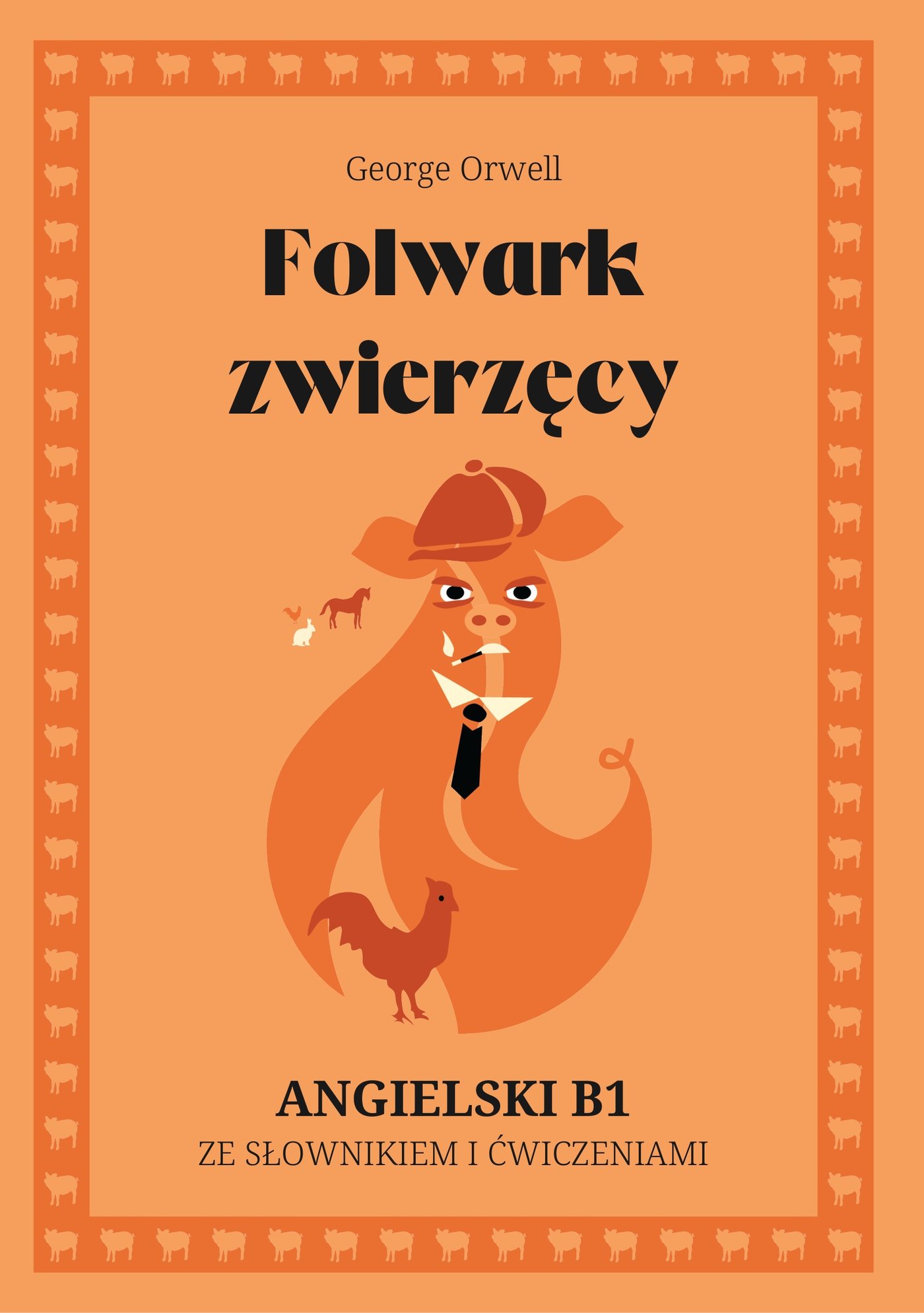
Folwark zwierzęcy. Angielski B1. Ze słowniczkiem i ćwiczeniami. - ebook

Folwark zwierzęcy. Angielski B1. Ze słowniczkiem i ćwiczeniami. - ebook
„Folwark zwierzęcy” to adaptacja klasycznego dzieła George Orwell – napisana specjalnie na poziomie B1 (średniozaawansowany), żebyś rozumiał 95 % tekstu od pierwszej strony. Wyczerpane zwierzęta na folwarku pana Jonesa, zainspirowane wizją wolności, buntują się i wypędzają ludzi, ustanawiając własne rządy oparte na zasadach Animalizmu. Początkowa utopia pod wodzą świń, Napoleona i Snowballa, szybko ustępuje miejsca brutalnej walce o władzę. Bezwzględny Napoleon, wykorzystując propagandę i siłę psów, eliminuje Snowballa i przejmuje absolutną kontrolę, stając się tyranem. W środku znajdziesz: słowniczek najtrudniejszych słów na marginesie każdej strony, ćwiczenia do każdego rozdziału (krzyżówki, zadania z lukami i anagramy) na poziomie B1, gry i zabawy w aplikacji na telefonie po każdym rozdziale i fiszki z najważniejszymi słówkami do nauki na końcu książki. Jedyna seria lektur w 100% oparta na badaniach naukowych. Słownictwo dobrane z korpusu 2 miliardów słów.
Ta publikacja spełnia wymagania dostępności zgodnie z dyrektywą EAA.
| Kategoria: | Angielski |
| Zabezpieczenie: |
Watermark
|
| ISBN: | 9788384561591 |
| Rozmiar pliku: | 550 KB |
FRAGMENT KSIĄŻKI
Witaj w książce, która pomoże Ci w nauce języka! Dzięki tej książce, będziesz mógł przyjemnie spędzić czas i jednocześnie (prawie, że przypadkiem) rozwinąć swoje umiejętności językowe.
Zdaniem naukowców czytanie tekstu, który rozumiesz tylko w 90-95% pozwala sie nauczyć najwięcej. Ciekawa historia utrzyma Twoją uwagę i zmotywuje Cię do wymyślania samemu znaczeń słów. W razie, gdyby tej motywacji zabrakło - po dotknięciu jakiegokolwiek słowa zobaczysz popup z jego tłumaczeniem. Popup z tłumaczeniem powinien bez problemu działać na czytnikach Kindle, Kobo oraz iBooks. Jeżeli korzystasz z innego czytnika np. Pocketbook spróbuj w ustawieniach zezwolić na pokazywanie przypisów (footnotes) jako popup. Jeżeli popup nie działa na Twoim czytniku, kliknięcie słowa przekieruje Cię do słowniczka na końcu rozdziału. Mniej to wygodne, ale spełnia swoją funkcję.
Na końcu każdego rozdziału znajduje się przycisk przekierowujący do ćwiczeń słówek z tego rozdziału na naszej stronie www.pentecost.pub. Znajdziesz tam fiszki (online oraz do wydrukowania), dopasowywanie znaczeń i wiele innych! Stale staramy się nad tą częścią pracować, więc jeżeli kiedyć wrócisz do tych samych ćwiczeń to być może znajdziesz tam więcej, ciekawszych zadań.
xoxo, Pentecost!
Następny rozdział →Chapter 1
Mr. Jones owned Manor Farm. He locked the hen-houses for the night. But he was too drunk to close the small doors.
His lantern light moved from side to side. He walked unsteadily across the yard. He took off his boots at the back door. He drank one last glass of beer. Then he went to bed. Mrs. Jones was already sleeping loudly.
The light in the bedroom went out. Then all the farm animals started to move. Old Major was a respected pig. He had a strange dream last night. He wanted to tell the other animals about it.
They all agreed to meet in the big barn. They would meet when Mr. Jones was asleep. Everyone called him Old Major. He was very respected on the farm. All animals were happy to lose sleep. They wanted to hear what he would say.
Old Major was already in the big barn. He lay on a straw bed. A lantern hung above him. He was twelve years old. He was a bit fat. But he looked grand and wise. His long teeth had never been cut.
Soon, other animals came in. They found places to sit. The three dogs came first: Bluebell, Jessie, and Pincher. Then the pigs came. They sat in the straw in front of Major.
Hens sat on windows. Pigeons flew to the roof. Sheep and cows lay behind the pigs. They started to chew their food again.
Boxer and Clover were two workhorses. They came in together. They walked slowly and carefully. They did not want to step on small animals.
Clover was a kind mother horse. She was getting older. She was a bit heavy after having four babies. Boxer was a very big horse. He was very strong. He was as strong as two normal horses.
He had a white stripe on his nose. This made him look a bit foolish. He was not very smart. But everyone respected him. He was steady and worked very hard.
After the horses, Muriel the white goat came. Benjamin the donkey also came. Benjamin was the oldest animal. He was often grumpy.
He rarely spoke. When he did, he said something negative. For example, he said his tail kept flies away. But he wished for no tail and no flies. He was the only animal who never laughed. If someone asked why, he said there was nothing funny.
But he cared for Boxer. He did not show it. They spent Sundays together. They ate grass side by side. They never spoke.
The horses lay down. Then some ducklings came into the barn. They had lost their mother. They made weak sounds. They walked around to find a safe spot.
Clover made a wall with her leg. The ducklings lay inside it. They quickly fell asleep. Last, Mollie came in. She was a pretty white horse. She pulled Mr. Jones's cart. She walked in a fancy way. She was eating a sugar cube.
She sat near the front. She shook her white hair. She wanted people to see her red ribbons. The cat came last. She looked for a warm spot. She squeezed between Boxer and Clover. She purred happily. She did not listen to Major's speech.
All animals were there now. Only Moses the raven was missing. He slept behind the back door. Major saw they were ready. He cleared his throat. Then he began to speak.
Old Major said, "Friends, you know I had a strange dream. I will talk about it later. I have other things to say first. I will not live much longer. Before I die, I must share my wisdom with you."
He said, "I have lived a long time. I have thought a lot in my stall. I understand life on this earth. I understand it as well as any animal. I want to talk to you about this."
Old Major asked, "Friends, what is our life like? Our lives are sad, hard, and short. We are born. We get just enough food to live. We work until we have no strength left. When we are no longer useful, we are killed cruelly."
Następny rozdział →
owned: posiadał
Manor: Dwór
Farm: Farma
locked: zamknął
the: te
hen-houses: kurniki
for: na
night: noc
But: Ale
was: był
too: zbyt
drunk: pijany
close: zamknąć
small: małe
doors: drzwi
His: Jego
lantern: latarni
light: światło
moved: poruszało się
from: z
side: boku
walked: szedł
unsteadily: niepewnie
across: przez
the: to
yard: podwórze
took off: zdjął
boots: buty
back: tylnych
door: drzwiach
drank: wypił
one: jedną
last: ostatnią
glass: szklankę
beer: piwa
Then: Potem
went: poszedł
bed: łóżka
Mrs.: Pani
was: była
already: już
sleeping: spała
loudly: głośno
light: światło
the: sypialni
bedroom: sypialni
went out: zgasło
Then: Wtedy
all: wszystkie
animals: zwierzęta
started: zaczęły
move: ruszać
Old: Stary
was: był
respected: szanowaną
pig: świnią
had: miał
strange: dziwny
dream: sen
last: ostatniej
night: nocy
wanted: chciał
tell: opowiedzieć
other: innym
about: o
They: Oni
all: wszyscy
agreed: zgodzili się
meet: spotkać
the: dużej
big: dużej
barn: stodole
would: mieli
when: kiedy
was: spał
asleep: spał
Everyone: Wszyscy
called: nazywali
him: go
Old: Stary
very: bardzo
respected: szanowany
animals: zwierzęta
happy: szczęśliwe
lose: stracić
sleep: sen
wanted: chcieli
hear: usłyszeć
what: co
say: powie
Old: Stary
was: był
already: już
the:
big: dużej
barn: stodole
lay: leżał
straw: słomianym
bed: posłaniu
lantern: latarnia
hung: wisiał
above: nad
him: nim
twelve: dwanaście
years: lat
bit: trochę
fat: gruby
But: Ale
looked: wyglądał
grand: dostojnie
and: i
wise: mądrze
His: Jego
long: długie
teeth: zęby
had:
never: nigdy
cut: obcinane
Soon: Wkrótce
other: inne
animals: zwierzęta
came: przyszły
They: One
found: znalazły
places: miejsca
sit: siedzenia
three: trzy
dogs: psy
first: pierwsze
and: i
Then: Potem
the:
pigs: świnie
straw: słomie
front: przód
Hens: Kury
sat: usiadły
windows: oknach
Pigeons: Gołębie
flew: poleciały
the:
roof: dach
Sheep: Owce
and: i
cows: krowy
lay: leżały
behind: za
pigs: świniami
They: One
started: zaczęły
chew: przeżuwać
their: swoje
food: jedzenie
again: znowu
and: i
were: były
two: dwoma
workhorses: końmi pociągowymi
They: One
came: weszły
together: razem
walked: szły
slowly: powoli
carefully: ostrożnie
did:
not: nie
want: chciały
step: nadepnąć
small: małe
animals: zwierzęta
was: była
kind: życzliwą
mother: matką
horse: klaczą
She: Ona
getting: coraz
older: starsza
bit: trochę
heavy: ciężka
after: po
having: urodzeniu
four: czterech
babies: źrebiąt
very: bardzo
big: dużym
strong: silny
two: dwa
normal: normalne
had: miał
white: białą
stripe: pręgę
nose: nosie
This: To
made: sprawiało
him: że
look: wyglądał
bit: trochę
foolish: głupio
was: nie był
not:
very: zbyt
smart: bystry
But: Ale
respected: szanowali
steady: niezawodny
and: i
worked: pracował
hard: ciężko
the:
horses: koniach
white: biała
goat: koza
came: przyszła
donkey: osioł
also: również
was: był
oldest: najstarszym
animal: zwierzęciem
often: często
grumpy: zrzędliwy
rarely: rzadko
spoke: mówił
did: to robił
said: mówił
something: coś
negative: negatywnego
example: przykład
tail: ogon
kept: odpędzał
flies: muchy
away: z dala
But: Ale
wished: życzył sobie
for:
and: i
was: był
the:
only: jedynym
animal: zwierzęciem
who: które
never: nigdy
laughed: się nie śmiało
someone: ktoś
asked: pytał
why: dlaczego
there: że
nothing: nic
funny: zabawnego
But: Ale
cared for: dbał o
did: nie
not: nie
show: pokazał
They: Oni
spent: spędzali
Sundays: niedziele
together: razem
ate: jedli
grass: trawę
side by side: obok siebie
never: nigdy
spoke: rozmawiali
horses: konie
lay down: położyły się
Then: Wtedy
some: kilka
ducklings: kacząt
came: przyszły
into: do
the: tej
barn: stodoły
They: One
had: miały
lost: zgubiły
their: swoją
mother: matkę
made: wydawały
weak: słabe
sounds: dźwięki
walked: chodziły
around: dookoła
find: znaleźć
safe: bezpieczne
spot: miejsce
made: zrobiła
wall: ścianę
with: swoją
her: swoją
leg: nogą
ducklings: kaczątka
lay: leżały
inside: wewnątrz
They: One
quickly: szybko
fell asleep: zasnęły
came: weszła
She: Ona
was: była
pretty: ładnym
white: białym
horse: koniem
pulled: ciągnęła
cart: wóz
walked: chodziła
fancy: elegancki
way: sposób
eating: jadła
sugar: cukru
cube: kostkę
She: Ona
sat: usiadła
near: blisko
the: przodu
front: przodu
shook: potrząsnęła
her: swoimi
white: białymi
hair: włosami
wanted: chciała
people: ludzie
see: zobaczyli
red: czerwone
ribbons: wstążki
cat: kot
came: przyszedł
last: ostatni
looked for: szukała
warm: ciepłego
spot: miejsca
squeezed: wcisnęła się
between: między
and: i
purred: mruczała
happily: szczęśliwie
did: nie
not: nie
listen to: słuchała
speech: przemówienia
animals: zwierzęta
were: były
there: tam
now: teraz
the: ten
raven: kruk
missing: brakującego
slept: spał
behind: za
back: tylnymi
door: drzwiami
saw: zobaczył
ready: gotowi
cleared: odchrząknął
throat: gardło
Then: Wtedy
began: zaczął
speak: mówić
Old: Stary
said: powiedział
Friends: Przyjaciele
you: wy
know: wiecie
had: miałem
strange: dziwny
dream: sen
will: będę
talk: mówić
about: o
later: później
other: inne
things: rzeczy
first: najpierw
not: będę
live: żyć
much: znacznie
longer: dłużej
Before: Zanim
die: umrę
must: muszę
share: podzielić się
wisdom: mądrością
with: z
said: powiedział
have: żyłem
lived: żyłem
long: długi
time: czas
thought: myślałem
lot: dużo
stall: stajni
understand: rozumiem
life: życie
earth: ziemi
well: dobrze
any: każde
animal: zwierzę
want: chcę
talk: rozmawiać
you: wami
about: o
Old: Stary
asked: zapytał
Friends: Przyjaciele
what: jakie
our: nasze
life: życie
like: jak
are: są
sad: smutne
hard: ciężkie
and: i
short: krótkie
born: rodzeni
get: dostajemy
just: tylko
enough: wystarczająco
food: jedzenia
live: żyć
work: pracujemy
until: aż
have: mamy
strength: siły
left: pozostałej
longer: dłużej
useful: użyteczni
killed: zabijani
cruelly: okrutnieChapter 2
Old Major died peacefully three nights later. His body was buried at the orchard's edge. This happened in early March. For the next three months, there was much secret work.
Major's speech gave the smart animals new ideas. They did not know when the Rebellion would happen. They knew they must get ready for it. The pigs taught and organized the other animals. Pigs were the smartest animals.
Two young pigs were most important. Their names were Snowball and Napoleon. Mr. Jones was raising them to sell. Napoleon was a big, fierce pig. He was a Berkshire boar. He did not talk much. But he always got his way.
Snowball was more lively than Napoleon. He spoke faster and had more ideas. But he was not as strong in character. Squealer was another pig. He was small and fat. He had round cheeks and bright eyes. He moved quickly and had a high voice.
Squealer was a great talker. When he argued, he moved side to side. This made him very convincing. The other animals said Squealer could make black seem white. These three pigs made Major's ideas into a system. They called it Animalism.
They held secret meetings in the barn. This was several nights a week. Mr. Jones was asleep then. They taught Animalism to the other animals. At first, some animals were not smart. Some were lazy.
Some animals talked about being loyal to Mr. Jones. They called him "Master." They said, "Mr. Jones feeds us. If he leaves, we will starve." Others asked, "Why care what happens after we die?" Or, "If the Rebellion will happen, why work for it?" The pigs found it hard to explain. These ideas were against Animalism.
Mollie, the white horse, asked the silliest questions. Mollie asked Snowball, "Will there still be sugar after the Rebellion?"
Snowball said, "No. We cannot make sugar here. You do not need sugar. You will have all the oats and hay you want."
Mollie asked, "Can I still wear ribbons in my mane?"
Snowball said, "Comrade, those ribbons are a sign of slavery. Do you not know freedom is better than ribbons?" Mollie agreed. But she did not sound sure.
The pigs also fought against Moses, the raven. Moses was Mr. Jones's special pet. He was a spy and told tales. But he was also a good talker. Moses said there was a place called Sugarcandy Mountain. All animals went there when they died.
He said it was in the sky, above the clouds. In Sugarcandy Mountain, every day was Sunday. Clover grew all year. Sugar and cake grew on bushes. Animals hated Moses because he told tales. He also did no work. But some animals believed in Sugarcandy Mountain. The pigs had to argue hard. They told them it was not real.
Boxer and Clover were the most loyal. They were two cart-horses. They found it hard to think for themselves. But they trusted the pigs as teachers. They learned everything the pigs told them. They told other animals in simple ways.
They always went to the secret meetings. They led the singing of 'Beasts of England.' The meetings always ended with this song. The Rebellion happened sooner than expected. It was also easier than expected.
Mr. Jones used to be a good farmer. But he had bad times lately. He lost money in a court case. He started drinking too much. He sat in his chair all day. He read papers and drank. He sometimes fed Moses bread soaked in beer.
His workers were lazy and dishonest. The fields had many weeds. The buildings needed new roofs. The fences were not fixed. The animals did not get enough food.
June came. The hay was almost ready. On Saturday, Mr. Jones went to town. He got very drunk at the Red Lion pub. He did not come back until Sunday midday. The men milked the cows early. Then they went hunting rabbits. They did not feed the animals.
Mr. Jones came back and fell asleep. He slept on the sofa with a newspaper on his face. So, the animals were still hungry that evening. They could not take it anymore. A cow broke the store-shed door. She used her horn. All the animals started eating from the bins.
Mr. Jones woke up then. He and his four men came into the shed. They had whips. They hit the animals. The hungry animals could not stand this. They attacked the men together. They had not planned this before.
Jones and his men were kicked and pushed. They lost control. They had never seen animals act like this. The animals they used to hurt were fighting back. This scared the men very much. They stopped fighting after a moment. They ran away.
All five men ran down the road. The animals chased them happily. Mrs. Jones saw what happened. She looked from her window. She quickly put things in a bag. She left the farm another way. Moses flew after her, making loud sounds.
The animals chased Jones and his men to the road. They closed the gate behind them. The Rebellion was over. Jones was gone. Manor Farm was theirs.
The animals could not believe their luck. First, they ran around the farm. They wanted to check no human was hiding. Then they ran back to the buildings. They wanted to remove all signs of Jones.
They broke open the harness-room. They threw many cruel tools down the well. These included bits, nose-rings, and dog-chains. They also threw knives used to cut pigs and lambs. Reins, halters, and blinkers went into the fire. Nosebags also went into the fire. Whips were also burned.
All animals danced with joy. They saw the whips burn. Snowball threw ribbons into the fire. Horses wore these ribbons on market days. Snowball said, "Ribbons are like clothes. Clothes are for humans. All animals should be naked."
Boxer heard this. He got his straw hat. He wore it in summer to keep flies away. He threw it into the fire too. Soon, animals destroyed everything. These things reminded them of Mr. Jones.
Napoleon led them back to the store-shed. He gave everyone double food. Each dog got two biscuits. Then they sang 'Beasts of England' seven times. After that, they slept. They had never slept so well.
Następny rozdział →
Old: Stary
died: zmarł
peacefully: spokojnie
three: trzy
nights: noce
later: później
His: Jego
body: ciało
was: zostało
buried: pochowane
the: tym
orchard's: sadu
edge: skraju
This: To
happened: wydarzyło się
early: wczesnym
next: kolejne
months: miesiące
there: było
much: wiele
secret: tajnej
work: pracy
speech: przemówienie
gave: dało
the: tym
smart: sprytnym
animals: zwierzętom
new: nowe
ideas: pomysły
They: One
did: nie
not: wiedziały
know: wiedziały
when: kiedy
would: nastąpi
happen: nastąpi
must: muszą
get ready: przygotować się
for: na
pigs: świnie
taught: uczyły
and: i
organized: organizowały
other: inne
were: były
young: młode
pigs: świnie
were: były
most: najbardziej
important: ważne
names: imiona
and: i
raising: hodował
them: je
sell: sprzedać
big: dużą
fierce: groźną
boar: knurem
did: nie
not: mówił
talk: mówił
much: wiele
But: Ale
always: zawsze
got his way: dopiął swego
was: był
more: bardziej
lively: żywy
than: niż
spoke: mówił
faster: szybciej
and: i
had: miał
ideas: pomysłów
But: Ale
not: nie
strong: silny
character: charakterze
another: inną
pig: świnią
small: mały
fat: gruby
round: okrągłe
cheeks: policzki
bright: bystre
eyes: oczy
moved: poruszał się
quickly: szybko
high: wysoki
voice: głos
was: był
great: świetnym
talker: mówcą
argued: argumentował
moved: poruszał się
side to side: na boki
This: To
made: czyniło
him: go
very: bardzo
convincing: przekonującym
other: inne
animals: zwierzęta
said: mówiły
could: mógł
black: czarne
seem: wydawało się
white: białe
These: Te
three: trzy
pigs: świnie
ideas: idee
into: w
They: One
called: nazwały
They: One
held: odbywały
secret: tajne
meetings: spotkania
the: tej
barn: stodole
This: To
was: było
several: kilka
nights: nocy
week: tydzień
asleep: śpiący
taught: uczyły
other: innych
animals: zwierząt
At first: Początkowo
some: niektóre
not: nie
smart: mądre
lazy: leniwe
animals: zwierzęta
talked: rozmawiały
about: o
being: byciu
loyal: lojalnymi
They: One
called: nazywały
him: go
Master: Panią
said: powiedziały
feeds: karmi
leaves: odejdzie
will: będziemy
starve: głodować
Others: Inne
asked: pytały
care: przejmować się
what: tym, co
happens: stanie się
after: po tym, jak
die: umrzemy
the: ta
why: po co
work: pracować
for: dla
pigs: świnie
found: uznały
hard: trudne
explain: wyjaśnienia
These: Te
ideas: idee
against: przeciwko
the: biały
white: biały
horse: koń
asked: zadawała
silliest: najgłupsze
questions: pytania
there: będzie
still: nadal
sugar: cukier
after: po
said: powiedział
cannot: możemy
make: produkować
sugar: cukru
here: tutaj
not: potrzebujesz
need: potrzebujesz
will: miała
have: miała
all: wszystkie
the: owies
oats: owies
and: i
hay: siano
you: jakie
want: chcesz
asked: zapytała
Can: Czy
still: nadal
wear: nosić
ribbons: wstążki
mane: grzywie
said: powiedział
Comrade: Towarzyszu
those: te
ribbons: wstążki
are: są
sign: znakiem
slavery: niewoli
you: nie
not: wiesz
know: wiesz
freedom: wolność
better: lepsza
than: niż
agreed: zgodziła się
But: Ale
did: nie
sound: brzmiała
sure: pewnie
pigs: świnie
also: także
fought: walczyły
against: przeciwko
the: temu
raven: krukowi
was: był
special: specjalnym
pet: pupilem
spy: szpiegiem
and: i
told: opowiadał
tales: bajki
But: Ale
good: dobrym
talker: mówcą
said: powiedział
there: tam
place: miejsce
called: zwane
animals: zwierzęta
went: szły
when: kiedy
died: umierały
said: powiedział
was: było
the:
sky: niebie
above: nad
clouds: chmurami
every: każdy
day: dzień
Sunday: niedzielą
grew: rosła
all: cały
year: rok
and: i
cake: ciasto
bushes: krzakach
hated: nienawidziły
because: ponieważ
told: opowiadał
tales: bajki
also: także
did: wykonywał
work: pracy
But: Ale
some: niektóre
animals: zwierzęta
believed: wierzyły
pigs: świnie
had to: musiały
argue: kłócić się
hard: mocno
They: One
not: nie
real: prawdziwe
and: i
were: były
the:
most: najbardziej
loyal: lojalne
They: One
two: dwoma
cart-horses: końmi pociągowymi
found: uważały
hard: trudne
think: myśleć
for: za
themselves: siebie
But: Ale
trusted: ufały
pigs: świniom
teachers: nauczycielom
learned: uczyły się
everything: wszystkiego
told: mówiły
other: innym
animals: zwierzętom
simple: prosty
ways: sposób
They: Oni
always: zawsze
went: chodzili
the: te
secret: tajne
meetings: spotkania
led: prowadzili
singing: śpiewanie
ended: kończyły się
with: z
song: pieśnią
happened: wydarzyła się
sooner: wcześniej
than: niż
expected: oczekiwano
was: była
also: również
easier: łatwiejsza
used to: kiedyś
good: dobrym
farmer: rolnikiem
But: Ale
had: miał
bad: złe
times: czasy
lately: ostatnio
lost: stracił
money: pieniądze
court: sądowej
case: sprawie
started: zaczął
drinking: pić
too: za
much: dużo
sat: siedział
chair: krześle
all: cały
day: dzień
read: czytał
papers: gazety
and: i
sometimes: czasami
fed: karmił
bread: chlebem
soaked: namoczonym
beer: piwie
His: Jego
workers: pracownicy
were: byli
lazy: leniwi
and: i
dishonest: nieuczciwi
fields: pola
had: miały
many: wiele
weeds: chwastów
buildings: budynki
needed: potrzebowały
new: nowych
roofs: dachów
fences: płoty
not: były
fixed: naprawione
animals: zwierzęta
did: nie
get: dostały
enough: wystarczająco
food: jedzenia
June: Czerwiec
came: nadszedł
hay: siano
was: było
almost: prawie
ready: gotowe
Saturday: sobotę
went: poszedł
town: miasta
got: stał się
very: bardzo
drunk: pijany
the: tym
pub: pubie
did: nie
not: nie
back: z powrotem
until: aż do
Sunday: niedzieli
midday: południa
men: mężczyźni
milked: doili
cows: krowy
early: wcześnie
Then: Wtedy
hunting: polować
rabbits: na króliki
They: Oni
feed: nakarmili
animals: zwierząt
came: wrócił
back: z powrotem
and: i
fell asleep: zasnął
slept: spał
the: tej
sofa: sofie
with: z
newspaper: gazetą
face: twarzy
animals: zwierzęta
were: były
still: nadal
hungry: głodne
that: tamtego
evening: wieczoru
They: One
could: mogły
not: nie
take: znieść
anymore: dłużej
cow: krowa
broke: wyważyła
store-shed: magazynu
door: drzwi
She: Ona
used: użyła
her: swojego
horn: rogu
started: zaczęły
eating: jeść
from: z
bins: pojemników
woke up: obudził się
and: i
four: czterech
men: mężczyzn
came: weszli
into: do
the: tej
shed: szopy
They: Mieli
had: mieli
whips: baty
hit: uderzyli
animals: zwierzęta
hungry: głodne
could: nie mogły
not: nie
stand: znieść
attacked: zaatakowały
together: razem
planned: zaplanowały
and: i
men: ludzie
were: byli
kicked: kopani
pushed: popychani
They: Oni
lost: stracili
control: kontrolę
had: mieli
never: nigdy
seen: widzieli
animals: zwierzęta
act: zachowujące się
like: tak
used to: kiedyś
hurt: krzywdzili
fighting: walczyły
back: z powrotem
This: To
scared: przestraszyło
the: tych
very: bardzo
much: bardzo
stopped: przestali
after: po
moment: chwili
ran: uciekli
away: precz
five: pięciu
men: mężczyzn