MENU
MENU
 Nasze ceny

 Przeczytaj fragment on-line

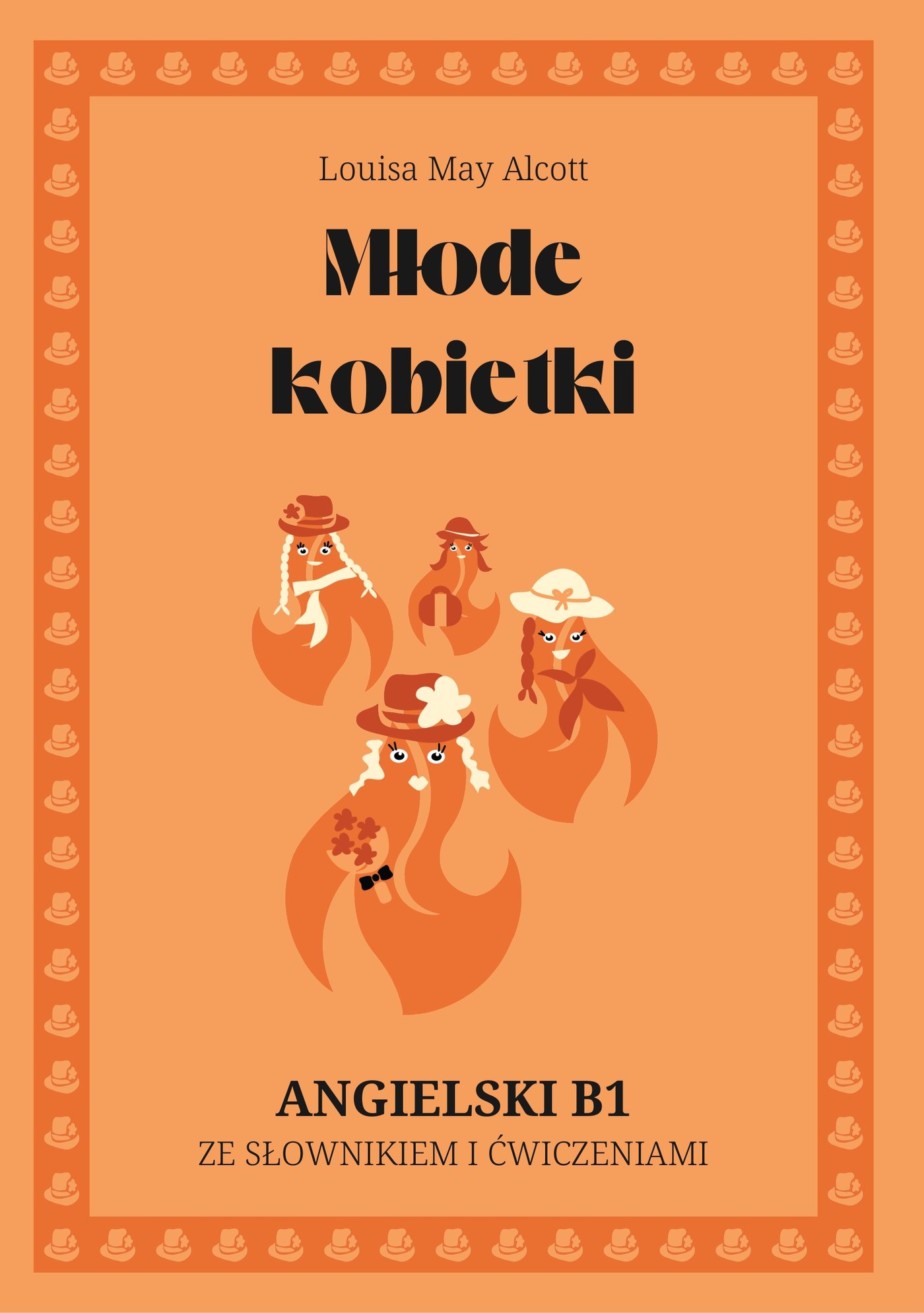
Młode kobietki. Angielski B1. Ze słowniczkiem i ćwiczeniami. - ebook
Młode kobietki. Angielski B1. Ze słowniczkiem i ćwiczeniami. - ebook
„Młode kobietki” to adaptacja klasycznego dzieła Louisa May Alcott – napisana specjalnie na poziomie B1 (średniozaawansowany), żebyś rozumiał 95 % tekstu od pierwszej strony. Młode kobietki to wzruszająca opowieść o czterech siostrach March – Meg, Jo, Beth i Amy – dorastających w Nowej Anglii podczas wojny secesyjnej. W obliczu ubóstwa i nieobecności ojca, dziewczęta zmagają się z codziennymi wyzwaniami, marząc o miłości, karierze i szczęściu. Jo, niezależna i pełna pasji, pragnie zostać pisarką, podczas gdy Meg tęskni za domowym ogniskiem. W środku znajdziesz: słowniczek najtrudniejszych słów na marginesie każdej strony, ćwiczenia do każdego rozdziału (krzyżówki, zadania z lukami i anagramy) na poziomie B1, gry i zabawy w aplikacji na telefonie po każdym rozdziale i fiszki z najważniejszymi słówkami do nauki na końcu książki. Jedyna seria lektur w 100% oparta na badaniach naukowych. Słownictwo dobrane z korpusu 2 miliardów słów.
Ta publikacja spełnia wymagania dostępności zgodnie z dyrektywą EAA.
| Kategoria: | Angielski |
| Zabezpieczenie: |
Watermark
|
| ISBN: | 9788384560204 |
| Rozmiar pliku: | 1,4 MB |
FRAGMENT KSIĄŻKI
Witaj w książce, która pomoże Ci w nauce języka! Dzięki tej książce, będziesz mógł przyjemnie spędzić czas i jednocześnie (prawie, że przypadkiem) rozwinąć swoje umiejętności językowe.
Zdaniem naukowców czytanie tekstu, który rozumiesz tylko w 90-95% pozwala sie nauczyć najwięcej. Ciekawa historia utrzyma Twoją uwagę i zmotywuje Cię do wymyślania samemu znaczeń słów. W razie, gdyby tej motywacji zabrakło - po dotknięciu jakiegokolwiek słowa zobaczysz popup z jego tłumaczeniem. Popup z tłumaczeniem powinien bez problemu działać na czytnikach Kindle, Kobo oraz iBooks. Jeżeli korzystasz z innego czytnika np. Pocketbook spróbuj w ustawieniach zezwolić na pokazywanie przypisów (footnotes) jako popup. Jeżeli popup nie działa na Twoim czytniku, kliknięcie słowa przekieruje Cię do słowniczka na końcu rozdziału. Mniej to wygodne, ale spełnia swoją funkcję.
Na końcu każdego rozdziału znajduje się przycisk przekierowujący do ćwiczeń słówek z tego rozdziału na naszej stronie www.pentecost.pub. Znajdziesz tam fiszki (online oraz do wydrukowania), dopasowywanie znaczeń i wiele innych! Stale staramy się nad tą częścią pracować, więc jeżeli kiedyć wrócisz do tych samych ćwiczeń to być może znajdziesz tam więcej, ciekawszych zadań.
xoxo, Pentecost!
Następny rozdział →Playing Pilgrims
“Christmas will not be Christmas without presents,” Jo complained. She lay on the rug. “It is so bad to be poor!” Meg sighed. She looked at her old dress. “Some girls have many pretty things,” Amy added. “Other girls have nothing at all. This is not fair,” she said with a sad sniff.
“We have Father and Mother,” Beth said happily. “We also have each other.” She spoke from her corner. The firelight shone on their faces. Beth’s words made them feel better. But then Jo spoke sadly.
“We do not have Father,” Jo said. “He will be away for a long time.” She did not say “maybe never.” But each girl thought it. Father was far away. He was where the fighting was.
No one spoke for a minute. Then Meg said, “Mother said we should not have presents this Christmas. This winter will be hard for everyone. She thinks we should not spend money for fun. Our men are suffering in the army.”
Meg continued, “We cannot do much. But we can make small sacrifices. We should do it gladly. But I am afraid I do not want to.” Meg shook her head. She thought of all the pretty things she wanted.
“I do not think our little money would help much,” Jo said. “We each have one dollar. That would not help the army a lot. I agree not to expect gifts from Mother or you. But I want to buy a book for myself. I have wanted it for a long time.” Jo loved books.
“I planned to buy new music with my dollar,” Beth said. She sighed softly. No one heard her. “I will get good drawing pencils,” Amy said firmly. “I really need them.”
“Mother did not say anything about our money,” Jo cried. “She will not want us to give up everything. Let us each buy what we want. Let us have a little fun. I am sure we work hard enough to earn it.” Jo looked at her shoe heels.
“I know I work hard,” Meg began to complain again. “I teach those annoying children almost all day. I want to enjoy myself at home.”
“You do not have it as hard as I do,” Jo said. “How would you like to be with a difficult old lady for hours? She makes you run around. She is never happy. She worries you until you want to cry or run away.”
“It is bad to complain,” Beth said. “But I think washing dishes is the worst work. Keeping things tidy is also bad. It makes me angry. My hands get so stiff. I cannot play music well.” Beth looked at her rough hands. This time, everyone heard her sigh.
“I do not believe any of you suffer like I do,” Amy cried. “You do not have to go to school with rude girls. They bother you if you do not know your lessons. They laugh at your dresses. They call your father names if he is not rich. They insult you if your nose is not pretty.”
“If you mean ‘libel,’ you should say that,” Jo advised. She laughed. “Do not talk about ‘labels.’ Papa is not a pickle bottle.”
“I know what I mean,” Amy replied with dignity. “You do not need to make fun of me. It is good to use proper words. You should improve your vocabulary.”
“Do not fight, children,” Meg said. “Do you wish we had the money Papa lost when we were little, Jo? Oh dear! We would be so happy if we had no worries!” Meg remembered better times.
“You said the other day that we were happier than the King children,” Beth said. “They fought and worried all the time. Even with their money.”
“So I did, Beth. Well, I think we are happier,” Meg agreed. “We have to work. But we make fun of ourselves. We are a happy group, as Jo would say.”
“Jo uses such slang words!” Amy said. She gave Jo a disapproving look. Jo was stretched out on the rug. Jo sat up at once. She put her hands in her pockets. She began to whistle.
“Do not do that, Jo. It is so boyish!” Amy said. “That is why I do it,” Jo replied. “I hate rude, unladylike girls!” Amy said. “I hate silly, overly proper girls!” Jo said back.
“Birds in their little nests agree,” Beth sang. She was the peacemaker. She made a funny face. Both sharp voices softened to a laugh. The fighting stopped for then.
“Girls, you are both wrong,” Meg said. She began to lecture like an older sister. “Josephine, you are old enough to stop boyish tricks. You should behave better. It did not matter when you were little. But now you are tall. You put up your hair. You should remember you are a young lady.”
“I am not!” Jo cried. She pulled off her hair net. She shook down her brown hair. “If putting up my hair makes me a lady, I will wear it in two braids until I am twenty. I hate to think I have to grow up. I hate being Miss March. I hate wearing long dresses. I hate looking very proper!”
Jo continued, “It is bad enough to be a girl. I like boy’s games and work and ways! I cannot get over not being a boy. It is worse now. I want to go and fight with Papa. But I can only stay home and knit. I am like a boring old woman!” Jo shook the blue army sock. The needles rattled. Her ball of yarn bounced across the room.
“Poor Jo! It is too bad. But it cannot be helped,” Beth said. She stroked Jo’s head. Her hand was always gentle. “You must try to be happy. Just make your name sound boyish. Play brother to us girls.”
“As for you, Amy,” Meg continued. “You are too proper. Your manners are funny now. But you will become a silly girl if you are not careful. I like your nice manners. I like your refined way of speaking. But only when you do not try to be fancy. Your silly words are as bad as Jo’s slang.”
“If Jo is a tomboy and Amy is silly, what am I?” Beth asked. She was ready to share the lecture. “You are a dear, and nothing else,” Meg answered warmly. No one disagreed. Beth was the family’s pet.
The four sisters sat knitting. The December snow fell outside. The fire crackled inside. It was a comfortable room. The carpet was old. The furniture was plain. But there were good pictures on the walls. Books filled the shelves. Flowers bloomed in the windows. A peaceful feeling filled the home.
Margaret, the oldest, was sixteen. She was pretty. She was plump and fair. She had large eyes. She had soft brown hair. She had a sweet mouth. She had white hands. She was a little proud of her hands.
Fifteen-year-old Jo was very tall and thin. She was brown. She was like a young horse. She never knew what to do with her long arms and legs. They seemed to get in her way. She had a strong mouth. She had a funny nose. She had sharp, gray eyes. Her eyes seemed to see everything. They could be fierce, funny, or thoughtful.
Jo’s long, thick hair was her only beauty. But she usually tied it up in a net. She had round shoulders. She had big hands and feet. Her clothes looked messy. She looked like a girl growing up fast. She did not like it.
Elizabeth, or Beth, was thirteen. She was rosy. She had smooth hair and bright eyes. She was shy. Her voice was timid. She always looked peaceful. Her father called her ‘Little Miss Tranquility.’ This name fit her well. She seemed to live in her own happy world. She only went out to meet the few people she trusted and loved.
Amy was the youngest. But she thought she was very important. She was like a snow maiden. She had blue eyes. Her yellow hair curled on her shoulders. She was pale and thin. She always acted like a young lady. She always remembered her manners.
The clock struck six. Beth swept the fireplace. She put a pair of slippers near the fire to warm. The old shoes made the girls feel better. Mother was coming home. Everyone looked happy to welcome her.
Meg stopped lecturing. She lit the lamp. Amy got out of her chair without being asked. Jo forgot she was tired. She sat up. She held the slippers closer to the fire.
“They are very worn out,” Jo said. “Marmee must have a new pair.” “I thought I would get her some with my dollar,” Beth said. “No, I will!” Amy cried. “I am the oldest,” Meg began. But Jo interrupted her.
“I am the man of the family now,” Jo said firmly. “Papa is away. I will buy the slippers. He told me to take special care of Mother while he was gone.”
“I will tell you what we will do,” Beth said. “Let us each get her something for Christmas. We will not get anything for ourselves.” “That is like you, dear!” Jo exclaimed. “What will we get?”
Everyone thought for a minute. Then Meg announced, “I will give her a nice pair of gloves.” She looked at her own pretty hands. “Army shoes, the best ones,” Jo cried. “Some handkerchiefs, all sewn,” Beth said.
“I will get a small bottle of perfume,” Amy added. “She likes it. It will not cost much. So I will have some money left to buy my pencils.”
“How will we give her the gifts?” Meg asked. “Put them on the table,” Jo answered. “Then bring her in. Watch her open the packages. Do you remember how we did it on our birthdays?”
“I used to be so scared,” Beth said. “It was my turn to sit in the chair with the crown. I watched you all march around. You gave me presents with a kiss. I liked the gifts and the kisses. But it was bad to have you sit looking at me. I opened the packages.” Beth was toasting her face and the bread for tea at the same time.
“Let Marmee think we are getting things for ourselves,” Jo said. “Then we will surprise her. We must go shopping tomorrow afternoon, Meg. We have so much to do for the play on Christmas night.” Jo marched up and down. Her hands were behind her back. Her nose was in the air.
“I do not plan to act anymore after this,” Meg said. “I am getting too old for such things.” Meg still loved dress-up games like a child.
“You will not stop, I know,” Jo said. “Not as long as you can wear a white dress with your hair down. Not as long as you can wear gold paper jewelry. You are our best actress. Everything will end if you quit acting.”
Jo continued, “We should practice tonight. Come here, Amy. Do the fainting scene. You are very stiff in that part.”
“I cannot help it,” Amy said. “I never saw anyone faint. I do not want to hurt myself falling flat like you do. If I can fall easily, I will. If I cannot, I will fall into a chair. I will be graceful. I do not care if Hugo comes at me with a gun.” Amy was not good at acting. But they chose her because she was small. The bad guy could carry her out while she screamed.
“Do it this way,” Jo said. “Clasp your hands like this. Stagger across the room. Cry loudly, ‘Roderigo! Save me! Save me!’” Jo went off. She made a dramatic scream. It was very exciting.
Amy followed. But she poked her hands out stiffly. She moved stiffly. Her “Ow!” sounded more like pins hurting her. It did not sound like fear. Jo made a sad groan. Meg laughed out loud. Beth burned her bread. She watched the fun with interest.
“It is no use!” Jo said. “Do your best when the time comes. If the audience laughs, do not blame me. Come on, Meg.”
Then things went well. Don Pedro was brave for two pages. He did not stop talking. Hagar, the witch, sang a scary spell. She used her pot of boiling toads. It had a strange effect. Roderigo broke his chains like a man. Hugo died sadly from poison. He cried, “Ha! Ha!”
“It is the best we have had yet,” Meg said. The dead bad guy sat up. He rubbed his elbows. “I do not see how you can write and act such great things, Jo. You are like Shakespeare!” Beth exclaimed. She truly believed her sisters were very talented.
“Not quite,” Jo replied modestly. “I think our play is rather nice. But I would like to try Macbeth. If only we had a trapdoor for Banquo. I always wanted to do the killing part. ‘Is that a dagger that I see before me?’” Jo muttered. She rolled her eyes. She grabbed at the air. She had seen a famous actor do it.
“No, it is the toasting fork,” Meg cried. “It has Mother’s shoe on it instead of the bread. Beth is too excited about the play!” The practice ended with everyone laughing.
“Glad to find you so merry, my girls,” a happy voice said at the door. The actors and audience turned. They welcomed a tall, motherly lady. She looked like she wanted to help. It was truly lovely. She was not dressed fancy. But she was a noble-looking woman. The girls thought her gray cloak and old hat covered the best mother in the world.
“Well, dearies, how have you been today?” Mrs. March asked. “I had so much to do. I was getting the boxes ready to go tomorrow. So I did not come home for dinner. Has anyone called, Beth? How is your cold, Meg? Jo, you look very tired. Come and kiss me, baby.”
Mrs. March asked these motherly questions. She took off her wet clothes. She put on her warm slippers. She sat in the easy chair. She pulled Amy onto her lap. She was ready to enjoy the happiest hour of her busy day. The girls moved quickly. Each tried to make things comfortable in her own way.
Meg arranged the tea table. Jo brought wood and chairs. She dropped things. She knocked things over. She made noise with everything she touched. Beth moved quietly between the parlor and kitchen. She was busy. Amy gave orders to everyone. She sat with her hands folded.
They gathered around the table. Mrs. March said with a very happy face, “I have a treat for you after supper.” A quick, bright smile went around like sunshine. Beth clapped her hands. She did not care about the biscuit she held. Jo tossed up her napkin. She cried, “A letter! A letter! Three cheers for Father!”
“Yes, a nice long letter,” Mrs. March said. She patted her pocket. It was like she had a treasure there. “He is well. He thinks he will get through the cold season better than we feared. He sends all sorts of loving wishes for Christmas. He has a special message for you girls.”
“Hurry and finish eating!” Jo cried. She choked on her tea. She dropped her bread butter-side down on the carpet. She was in a hurry to get the treat. “Do not stop to hold out your little finger. Do not smile over your plate, Amy.”
Beth ate no more. She crept away. She sat in her shadowy corner. She thought about the joy to come. She waited until the others were ready. “I think it was so great that Father went as a chaplain,” Meg said warmly. “He was too old to be forced to go. He was not strong enough to be a soldier.”
“I wish I could go as a drummer,” Jo exclaimed with a groan. “Or a camp follower. Or a nurse. Then I could be near him. I could help him.”
“It must be very bad to sleep in a tent,” Amy sighed. “And to eat all sorts of bad-tasting things. And to drink from a tin cup.”
“When will he come home, Marmee?” Beth asked. Her voice trembled a little. “Not for many months, dear,” Mrs. March said. “Unless he is sick. He will stay and do his work faithfully. He will stay as long as he can. We will not ask for him back sooner. Now come and hear the letter.”
They all moved closer to the fire. Mother sat in the big chair. Beth sat at her feet. Meg and Amy sat on each arm of the chair. Jo leaned on the back. No one would see her emotions there. Few letters in those hard times were not sad. Especially letters from fathers. This letter said little about the hard times. It said little about the dangers. It said little about missing home.
It was a happy, hopeful letter. It was full of lively descriptions of camp life. It talked about marches and army news. Only at the end did Father’s heart show his love. He longed for his little girls at home. “Give them all of my dear love and a kiss,” the letter read.
“Tell them I think of them by day. I pray for them by night. I find my best comfort in their love at all times. A year seems very long to wait. I want to see them. But remind them that we can all work while we wait. These hard days do not have to be wasted.”
The letter continued, “I know they will remember what I told them. They will be loving children to you. They will do their duty faithfully. They will bravely fight their inner faults. They will conquer themselves so well. When I come back, I will love them more. I will be prouder than ever of my little women.”
Everyone sniffed when they heard that part. Jo was not ashamed of the big tear. It dropped from her nose. Amy did not mind her curls getting messy. She hid her face on her mother’s shoulder. She sobbed, “I am a selfish girl! But I will truly try to be better. Then he will not be disappointed in me later.”
“We all will,” Meg cried. “I think too much about how I look. I hate to work. But I will not anymore, if I can help it.”
“I will try to be what he calls me,” Jo said. “‘A little woman.’ I will not be rough and wild. I will do my duty here. I will not want to be somewhere else.” Jo thought keeping her temper at home was harder. It was harder than fighting a rebel or two in the South.
Beth said nothing. She wiped away her tears. She used the blue army sock. She began to knit with all her might. She did not waste time. She did the duty that was closest to her. In her quiet soul, she decided to be all that Father hoped. She would be that when he came home next year.
Mrs. March broke the silence. It followed Jo’s words. She said in her happy voice, “Do you remember playing Pilgrim’s Progress when you were little? Nothing made you happier. I would tie my cloth bags on your backs for burdens. I would give you hats and sticks and paper rolls. I let you travel through the house. From the cellar, which was the City of Destruction. Up, up, to the housetop. There you had all the lovely things. You collected them to make a Celestial City.”
“What fun it was!” Jo said. “Especially going by the lions. Fighting Apollyon. Passing through the valley where the hob-goblins were.”
“I liked the place where the bundles fell off,” Meg said. “They tumbled downstairs.” “I do not remember much about it,” Amy said. “Except I was afraid of the cellar. I was afraid of the dark entry. I always liked the cake and milk we had at the top. If I was not too old for such things, I would like to play it again.” Amy was twelve. She was starting to talk about giving up childish things.
“We are never too old for this, my dear,” Mrs. March said. “Because it is a game we play all the time. We play it in different ways. Our burdens are here. Our road is before us. The wish for goodness and happiness is our guide. It leads us through many troubles and mistakes. It leads us to peace. That peace is a true Celestial City.”
Mrs. March continued, “Now, my little pilgrims, start again. Not in play, but for real. See how far you can get before Father comes home.”
“Really, Mother? Where are our bundles?” Amy asked. Amy was a very literal young lady. “Each of you just told what your burden was,” her mother said. “Except Beth. I think she does not have any.”
“Yes, I have,” Beth said. “Mine is dishes and dusters. And envying girls with nice pianos. And being afraid of people.” Beth’s burden was so funny. Everyone wanted to laugh. But no one did. It would have hurt her feelings very much.
“Let us do it,” Meg said thoughtfully. “It is just another name for trying to be good. The story may help us. We want to be good. But it is hard work. We forget. We do not do our best.”
“We were in a sad place tonight,” Jo said. “Mother came and pulled us out. Just like Help did in the book. We should have our roll of directions, like Christian. What will we do about that?” Jo was happy with the idea. It made the boring task of doing her duty a little more exciting.
“Look under your pillows Christmas morning,” Mrs. March replied. “You will find your guidebook.”
They talked about the new plan. Old Hannah cleared the table. Then the four small work baskets came out. The needles flew. The girls made sheets for Aunt March. It was boring sewing. But tonight no one complained.
They used Jo’s plan. They divided the long seams into four parts. They called the parts Europe, Asia, Africa, and America. They got along very well that way. Especially when they talked about the different countries as they sewed through them.
At nine, they stopped work. They sang, as usual, before bed. Only Beth could get much music from the old piano. But she softly touched the yellow keys. She made a pleasant sound for their simple songs. Meg had a voice like a flute. She and her mother led the small choir.
Amy chirped like a cricket. Jo sang the tunes as she wished. She always came in at the wrong place. She made a croak or a shaky sound. It spoiled the most thoughtful song. They had always done this. They did it since they were very small. “Twinkle, twinkle, little star.” It had become a family custom. Their mother was a natural singer.
The first sound in the morning was her voice. She went about the house singing like a bird. The last sound at night was the same happy sound. The girls never grew too old for that familiar lullaby.
Następny rozdział →
presents: prezentów
complained: narzekała
lay: leżała
rug: dywanie
poor: biednym
sighed: westchnęła
dress: sukienkę
pretty: ładnych
added: dodała
at all: wcale
fair: sprawiedliwe
sniff: pociągnięciem nosem
happily: szczęśliwie
corner: kąta
firelight: ognia
shone: świeciło
sadly: smutno
maybe: może
fighting: walka
presents: prezentów
winter: zima
suffering: cierpią
army: armii
continued: kontynuowała
sacrifices: poświęcenia
gladly: chętnie
afraid: obawiam się
shook: potrząsnęła
pretty: ładnych
dollar: dolara
army: armii
lot: dużo
expect: oczekiwać
gifts: prezentów
buy: kupić
book: książkę
loved: kochała
planned: planowałam
buy: kupić
music: muzykę
dollar: dolara
sighed: westchnęła
softly: cicho
drawing: rysunkowe
pencils: ołówki
firmly: stanowczo
cried:
give up: wszystkiego
buy: kupi
sure: wystarczająco
earn:
shoe:
heels:
complain: narzekać
teach: uczę
annoying: irytujące
almost: prawie
enjoy: cieszyć
difficult: trudną
lady: panią
hours: godziny
worries: martwi
cry: płakać
complain: narzekać
washing: mycie
dishes: naczyń
worst: najgorsza
Keeping: Utrzymywanie
tidy: w porządku
angry: złą
stiff: sztywne
music: muzyki
rough: szorstkie
sigh: westchnienie
believe: wierzę
suffer: cierpi
cried: zawołała
school: szkoły
rude: niegrzecznymi
bother: dokuczają
lessons: lekcji
dresses: sukienek
names: imionami
rich: bogaty
insult: obrażają
nose: nos
pretty: ładny
libel: zniesławienie
advised: poradziła
laughed: zaśmiała się
labels: etykietach
Papa: Tata
pickle: kiszonego
bottle: słoikiem
replied: odpowiedziała
dignity: godnością
make fun of: wyśmiewać
proper: właściwych
improve: poprawić
vocabulary: słownictwo
fight: kłóćcie się
wish: żałujesz
Papa: Tata
dear: ojej
worries: zmartwień
remembered: pamiętała
happier: szczęśliwsze
King: Kingów
fought: kłóciły się
worried: martwiły się
happier: szczęśliwsze
agreed: zgodziła się
make fun of: nabijamy się z
group: grupą
slang: slangowych
disapproving: dezaprobujące
stretched out: wyciągnięta
rug: dywanie
sat up: usiadła prosto
at once: natychmiast
pockets: kieszeni
whistle: gwizdać
boyish: chłopięce
replied: odpowiedziała
rude: niegrzecznych
unladylike: niedamskich
silly: głupich
overly: nadmiernie
proper: poprawnych
said back: odparła
nests: gniazdach
sang: zaśpiewała
peacemaker: rozjemczynią
sharp: ostre
voices: głosy
softened: złagodniały
fighting: kłótnia
wrong: mylicie się
lecture: prawić kazania
older: starsza
boyish: chłopięcych
tricks: sztuczek
behave: zachowywać się
matter: miało znaczenia
tall: wysoka
put up: upinasz
remember: pamiętać
lady: damą
cried: zawołała
pulled off: ściągnęła
net: siatkę
shook down: rozpuściła
brown: brązowe
putting up: upinanie
lady: damą
braids: warkoczach
twenty: dwudziestu
grow up: dorosnąć
Miss: panną
dresses: sukienek
looking: wyglądania
proper: stosownie
continued: kontynuowała
boy’s: chłopięce
games: gry
ways: sposoby
get over: pogodzić się
worse: gorzej
fight: walczyć
Papa: Tatą
stay: zostać
knit: dziergać
boring: nudna
shook: potrząsnęła
blue: niebieską
army: wojskową
sock: skarpetą
needles: igły
rattled: zaterkotały
ball: kłębek
yarn: włóczki
bounced: potoczył się
stroked: pogłaskała
gentle: delikatna
boyish: chłopięco
brother: bratem
As for: Co do
continued: kontynuowała
proper: poprawna
manners: maniery
silly: głupią
careful: ostrożna
refined: wyrafinowany
speaking: mówienia
fancy: wymyślna
tomboy: chłopczycą
silly: głupiutka
lecture: wykład
dear: kochanie
warmly: ciepło
disagreed: nie zgodził się
pet: ulubienicą
sisters: siostry
knitting: na drutach
snow: śnieg
crackled: trzaskał
comfortable: przytulny
carpet: dywan
furniture: meble
plain: proste
shelves: półki
bloomed: kwitły
peaceful: spokojne
oldest: najstarsza
sixteen: szesnaście
pretty: ładna
plump: pulchna
fair: jasna
soft: miękkie
brown: brązowe
sweet: słodkie
mouth: usta
white: białe
proud: dumna
Fifteen-year-old: Piętnastoletnia
tall: wysoka
thin: chuda
brown: brązowa
horse: koń
arms: ramionami
legs: nogami
seemed: wydawały się
strong: silne
mouth: usta
nose: nos
sharp: ostre
gray: szare
fierce: zaciekłe
thoughtful: zamyślone
thick: gęste
beauty: ozdobą
usually: zazwyczaj
tied: wiązała
net: siatkę
round: okrągłe
shoulders: ramiona
feet: stopy
clothes: ubrania
messy: niechlujnie
growing: dorastająca
fast: szybko
thirteen: trzynaście
rosy: rumiana
smooth: gładkie
bright: jasne
shy: nieśmiała
voice: głos
timid: płochliwy
peaceful: spokojnie
Miss: Panna
Tranquility: Spokój
fit: pasowało
seemed: wydawała się
trusted: ufała
loved: kochała
youngest: najmłodszą
important: ważna
snow: śnieżna
maiden: dziewica
blue: niebieskie
yellow: żółte
curled: kręciły się
shoulders: ramionach
pale: blada
thin: szczupła
acted: zachowywała się
lady: dama
remembered: pamiętała
manners: manierach
clock: zegar
struck: wybił
swept: zamiatała
fireplace: kominku
pair: parę
slippers: kapci
warm: ogrzać
welcome: powitać
lecturing: prawić kazania
lit: zapaliła
lamp: lampę
got out of: wyszła z
sat up: usiadła prosto
slippers: kapcie
closer: bliżej
worn out: zużyte
pair: parę
dollar: dolara
cried: zawołała
oldest: najstarsza
interrupted: przerwała
firmly: stanowczo
Papa: Tata
buy: kupię
slippers: kapcie
dear: kochana
exclaimed: zawołała
announced: ogłosiła
pair: parę
gloves: rękawiczek
pretty: ładne
cried: zawołała
handkerchiefs: chusteczek
sewn: uszyte
bottle: butelkę
perfume: perfum
added: dodała
buy: kupić
pencils: ołówki
gifts: prezenty
packages: paczki
remember: pamiętasz
birthdays: urodziny
scared: przestraszona
crown: koroną
march: maszerować
presents: prezenty
kiss: pocałunkiem
gifts: prezenty
looking: patrzących
opened: otworzyłam
packages: paczki
toasting: opiekając
tea: herbatę
at the same time: jednocześnie
ourselves: siebie
surprise: zaskoczymy
shopping: na zakupy
tomorrow: jutro
afternoon: po południu
marched: maszerowała
nose: nos
plan: planuję
act: grać
anymore: więcej
loved: kochała
dress-up: przebieranki
games: gry
as long as: tak długo jak
white: białą
dress: sukienkę
gold: złotą
paper: papierową
jewelry: biżuterię
actress: aktorką
end: skończy
quit: zrezygnujesz
acting: z aktorstwa
continued: kontynuowała
tonight: dziś wieczorem
fainting: omdlenia
scene: scenę
stiff: sztywna
faint: mdlejącego
hurt: zranić
falling: upadając
flat: płasko
easily: łatwo
graceful: wdzięczna
gun: bronią
acting: aktorstwie
chose: wybrali
guy: facet
carry: wynieść
screamed: krzyczała
Clasp: Złóż
Stagger: Zataczaj się
loudly: głośno
went off: odeszła
dramatic: dramatyczny
scream: krzyk
exciting: ekscytujące
poked: wystawiła
stiffly: sztywno
pins: szpilki
hurting: raniące
fear: strach
groan: jęk
laughed out loud: roześmiała się głośno
burned: spaliła
interest: zainteresowaniem
no use: bez sensu
audience: publiczność
laughs: zaśmieje się
blame: obwiniaj
Come on: Chodź
brave: dzielny
pages: strony
witch: czarownica
sang: śpiewała
scary: straszne
spell: zaklęcie
pot: garnka
boiling: gotującymi się
toads: ropuchami
strange: dziwny
effect: efekt
chains: kajdany
died: umarł
sadly: smutno
poison: trucizny
cried: krzyknął
dead: martwy
guy: facet
rubbed: otarł
elbows: łokcie
act: grać
exclaimed: zawołała
truly: naprawdę
believed: wierzyła
sisters: siostry
talented: utalentowane
Not quite: Niezupełnie
replied: odpowiedziała
modestly: skromnie
If only: Gdyby tylko
trapdoor: zapadnię
killing: zabójczą
dagger: sztylet
muttered: mruknęła
rolled her eyes: przewróciła oczami
grabbed: chwyciła
actor: aktora
toasting: do opiekania
fork: widelec
cried: zawołała
Mother’s: Matki
shoe: but
Glad: Cieszę się
merry: wesołe
voice: głos
actors: aktorzy
audience: publiczność
welcomed: powitali
tall: wysoką
motherly: matczyną
lady: damę
truly: naprawdę
lovely: urocze
dressed: ubrana
fancy: wystawnie
noble-looking: szlachetnie wyglądającą
gray: szary
cloak: płaszcz
hat: kapelusz
covered: zakrywały
dearies: kochanie
Mrs: Pani
boxes: pudełka
tomorrow: jutro
dinner: obiad
cold: przeziębienie
kiss: pocałuj
baby: dziecko
Mrs: Pani
motherly: matczyne
questions: pytania
took off: zdjęła
wet: mokre
clothes: ubrania
put on: założyła
warm: ciepłe
slippers: kapcie
easy: wygodnym
pulled: przyciągnęła
onto: na
lap: kolana
enjoy: cieszyć się
happiest: najszczęśliwszą
hour: godziną
busy: pracowitego
quickly: szybko
comfortable: wygodnymi
arranged: ustawiła
tea: herbaciany
wood: drewno
chairs: krzesła
dropped: upuszczała
noise: hałas
touched: dotknęła
quietly: cicho
parlor: salonem
kitchen: kuchnią
busy: zajęta
orders: rozkazy
folded: złożonymi
gathered: zebrali się
Mrs: Pani
treat: niespodziankę
supper: kolacji
quick: szybki
bright: jasny
smile: uśmiech
sunshine: słońce
clapped: klasnęła
biscuit: ciastko
tossed: podrzuciła
napkin: serwetkę
cried: zawołała
letter: list
cheers: okrzyki
letter: list
Mrs: Pani
patted: poklepała
pocket: kieszeń
treasure: skarb
get through: przejdzie przez
cold: zimny
season: sezon
feared: obawialiśmy się
sends: wysyła
sorts: rodzaje
loving: kochające
wishes: życzenia
message: wiadomość
Hurry: Pospiesz się
cried: zawołała
choked: zakrztusiła się
tea: herbacie
dropped: upuściła
butter-side: stroną z masłem
carpet: dywan
treat: przysmak
hold out: wyciągać
finger: palec
smile: uśmiechaj się
plate: talerzem
crept: skradała się
shadowy: zacienionym
corner: kącie
joy: radości
chaplain: kapelan
warmly: ciepło
forced: zmuszonym
strong: silny
soldier: żołnierzem
wish: chciałabym
drummer: dobosz
exclaimed: wykrzyknęła
groan: jękiem
camp: obozową
follower: towarzyszką
nurse: pielęgniarką
sleep: spać
tent: namiocie
sighed: westchnęła
sorts: rodzaje
bad-tasting: źle smakujące
drink: pić
tin: blaszanego
cup: kubka
voice: głos
trembled: drżał
months: miesięcy
dear: kochanie
Mrs: Pani
Unless: Chyba że
sick: chory
stay: zostanie
faithfully: wiernie
as long as: tak długo jak
sooner: wcześniej
letter: listu
closer: bliżej
feet: stóp
arm: ramieniu
leaned: oparła się
emotions: emocji
letters: listów
Especially: Zwłaszcza
fathers: ojców
dangers: niebezpieczeństwach
missing: tęsknocie
hopeful: pełen nadziei
letter: list
lively: żywych
descriptions: opisów
camp: obozowego
marches: marszach
army: wojskowych
news: wiadomościach
end: końcu
Father’s: Ojca
longed: tęsknił
dear: drogiej
kiss: pocałunek
pray: modlę się
comfort: pociechę
remind: przypomnij
wasted: zmarnowane
letter: list
continued: kontynuował
remember: pamiętać
loving: kochającymi
duty: obowiązek
faithfully: wiernie
bravely: dzielnie
fight: walczyć
inner: wewnętrzne
faults: wady
conquer: pokonywać
prouder: dumniejszy
sniffed: pociągnęli nosem
ashamed: zawstydzona
tear: łzy
dropped: spadła
nose: nosa
curls: lokami
messy: niechlujnymi
hid: ukryła
shoulder: ramieniu
sobbed: łkała
selfish: samolubną
truly: naprawdę
disappointed: rozczarowany
cried: zapłakała
anymore: już
calls: nazywa
rough: szorstka
wild: dzika
duty: obowiązek
somewhere: gdzieś
temper: temperamentu
harder: trudniejsze
fighting: walka
rebel: buntownika
South: Południu
wiped: otarła
tears: łzy
blue: niebieską
army: wojskową
sock: skarpetę
knit: dziergać
waste: marnowała
duty: obowiązek
closest: najbliższy
soul: duszy
hoped: pragnął
Mrs: Pani
silence: ciszę
voice: głosem
remember: pamiętacie
happier: szczęścia
tie: wiązałam
cloth: płócienne
bags: torby
backs: plecach
burdens: ciężary
hats: kapelusze
sticks: kije
paper: papierowe
rolls: zwoje
travel: podróżować
cellar: piwnicy
housetop: dach
lovely: piękne
collected: zbierałyście
Especially: Zwłaszcza
lions: lwy
Passing: Przechodząc
valley: dolinę
hob-goblins: chochliki
bundles: paczki
fell off: spadały
tumbled: sturlały się
downstairs: na dół
remember: pamiętam
Except: Oprócz
afraid: przestraszona
cellar: piwnicy
entry: wejścia
cake: ciasto
milk: mleko
twelve: dwanaście
giving up: porzuceniu
childish: dziecinnych
dear: droga
Mrs: Pani
ways: sposoby
burdens: ciężary
wish: pragnienie
goodness: dobroci
happiness: szczęścia
guide: przewodnikiem
troubles: kłopotów
mistakes: błędów
peace: pokoju
Mrs: Pani
continued: kontynuowała
pilgrims: pielgrzymi
bundles: tobołki
literal: dosłowną
lady: damą
burden: ciężarem
Except: Oprócz
dishes: naczynia
dusters: ścierki
envying: zazdrościć
pianos: pianinami
afraid: przestraszoną
burden: ciężar
hurt: zranić
feelings: uczucia
thoughtfully: rozważnie
story: historia
forget: zapominamy
tonight: dziś wieczorem
pulled: wyciągnęła
book: książce
roll: zwój
directions: wskazówkami
boring: nudne
task: zadanie
duty: obowiązku
exciting: ekscytujące
pillows: poduszki
Mrs: Pani
replied: odpowiedziała
guidebook: przewodnik
plan: planie
cleared: sprzątnęła
baskets: koszyki
came out: wyszły
needles: igły
flew: latały
sheets: prześcieradła
Aunt: Cioci
boring: nudne
sewing: szycie
tonight: dziś wieczorem
complained: narzekał
plan: planu
divided: podzieliły
seams: szwy
got along: dogadywały się
Especially: Zwłaszcza
countries: krajach
sewed: szyły
nine: dziewiątej
sang: śpiewali
as usual: jak zwykle
bed: snem
music: muzyki
piano: pianina
softly: delikatnie
touched: dotykała
yellow: żółtych
keys: klawiszy
pleasant: przyjemny
simple: prostych
songs: piosenek
voice: głos
flute: flet
choir: chór
chirped: ćwierkała
cricket: świerszcz
sang: śpiewała
tunes: melodie
wished: chciała
came in: wtrącała się
wrong: niewłaściwym
croak: krakanie
shaky: drżący
spoiled: psuło
thoughtful: przemyślaną
song: piosenkę
Twinkle: Mrugaj
star: gwiazdko
custom: zwyczaj
natural: naturalna
singer: śpiewaczka
voice: głos
singing: śpiewając
bird: ptak
familiar: znaną
lullaby: kołysankę